


While volunteering at an entrepreneurship incubator in 2009, Angel Kwiatkowski launched a local meet-up that became so popular that within weeks, the group needed a home of its own.
That experiment became the foundation for Cohere Coworking – one of the early independent coworking spaces to open in the United States.
Launched in the shadow of the economic recession, Cohere began as a 1,000-square-foot loft in Fort Collins, Colorado, filled with freelancers and consultants. Sixteen years later, Cohere remains intentionally small, fiercely independent, and deeply community-led.
In this conversation, Angel reflects on her journey to launch Cohere, why she’s chosen to build a lifestyle business instead of a scalable brand, and what coworking really stands for.
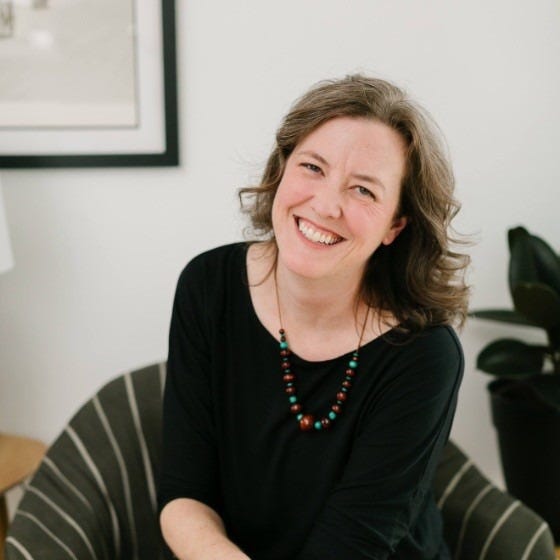
1. Take me back to the beginning – how did you start Cohere Coworking?
Angel: I took a traditional career path, went to college, got a psychology degree, and then worked in retail. Part of that job involved interviewing people, but I wanted to be on the other side of helping people get jobs, so I became a career counsellor.
What I really aspired to be was an internal career counsellor at a company, and I reached that — becoming an internal career development specialist at a new local startup. My favourite part of the job was sitting in each department with the different creatives, professionals and technicians. I learned the basics of SEO sitting next to a lady named Mary, and we’re still friends.
I got a lot out of that job and met lots of different technical professionals, from web developers to PR teams. But on day 89, I got fired. It was clear they needed traditional HR rather than internal career development, and with 75 employees, the organisation didn’t have the legal foundations. It was really shocking, though. I thought I’d landed my dream job and would work there forever.
I didn’t know what to do with my life next; I truly was adrift. So, I started volunteering at an entrepreneurship incubator and assisting the receptionist, which was very humbling.
While I was there, a guy named Kevin introduced me to this ‘new concept in California’ called coworking – where freelancers work together instead of alone. I decided that’s what I was going to do.
I asked the incubator director whether I could experiment by hosting a weekly coworking session in the reception area nobody used. Five weeks later, we ran out of chairs, broke their internet, and they asked us to move along.
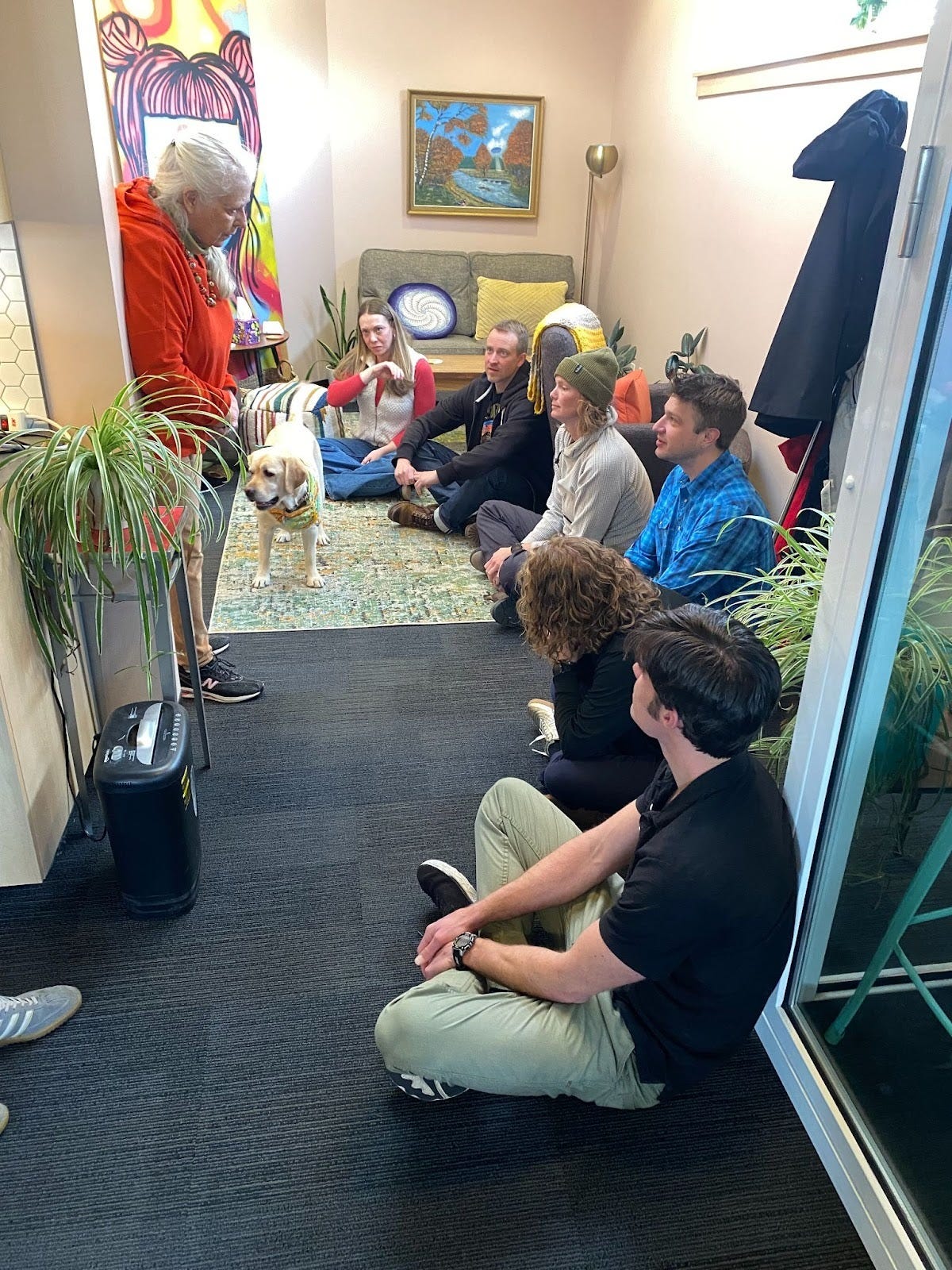
2. What was Cohere like in the early days?
Angel: The origins of Cohere were part luck, part serendipity, and part finally feeling like I’d been clued in to an idea that was new enough that I could get traction with it. That’s how we got started.
We began the weekly meetup sessions in late 2009 at the height of the recession. People coming to my sessions had been laid off from their corporate jobs and became freelancers and consultants to make ends meet. Nobody knew what they were doing.
The pace was blistering. Five weeks after launching, I found a commercial lease a few blocks away in our downtown, which was suffering from the effects of the recession – a 1000 square-foot, downtown loft, with a curmudgeonly landlord.
I hired someone off Craigslist to build us some custom curved desks with integrated power. My friend and I drove eight hours to the nearest IKEA in Utah, filling a U-Haul with the basic startup kit for a coworking space – chairs, the couch, and some dishes. We drove it back, built everything, and opened up several weeks later. March 15th 2010, is our anniversary (we’ve just celebrated 16 years).
We felt so fancy. We had 12 workstations, a couch, a six-by-six meeting room, and a conference room that we shared with the landlord and another tenant. That was it.
Over a year later, we outgrew that space before moving several blocks away to a larger building. We rented it for 13 years, adding spaces in that building as they became available. At the end of 2024, I bought a unit in a building and downsized us to 1,800 square feet.
3. What does surviving this long say about your model?
Angel: Chasing hot, new amenities is exhausting. We’ve always been people-focused and less amenity-focused. As someone who used my checking account to start a business, I don’t know how people have enough money to pull that off.
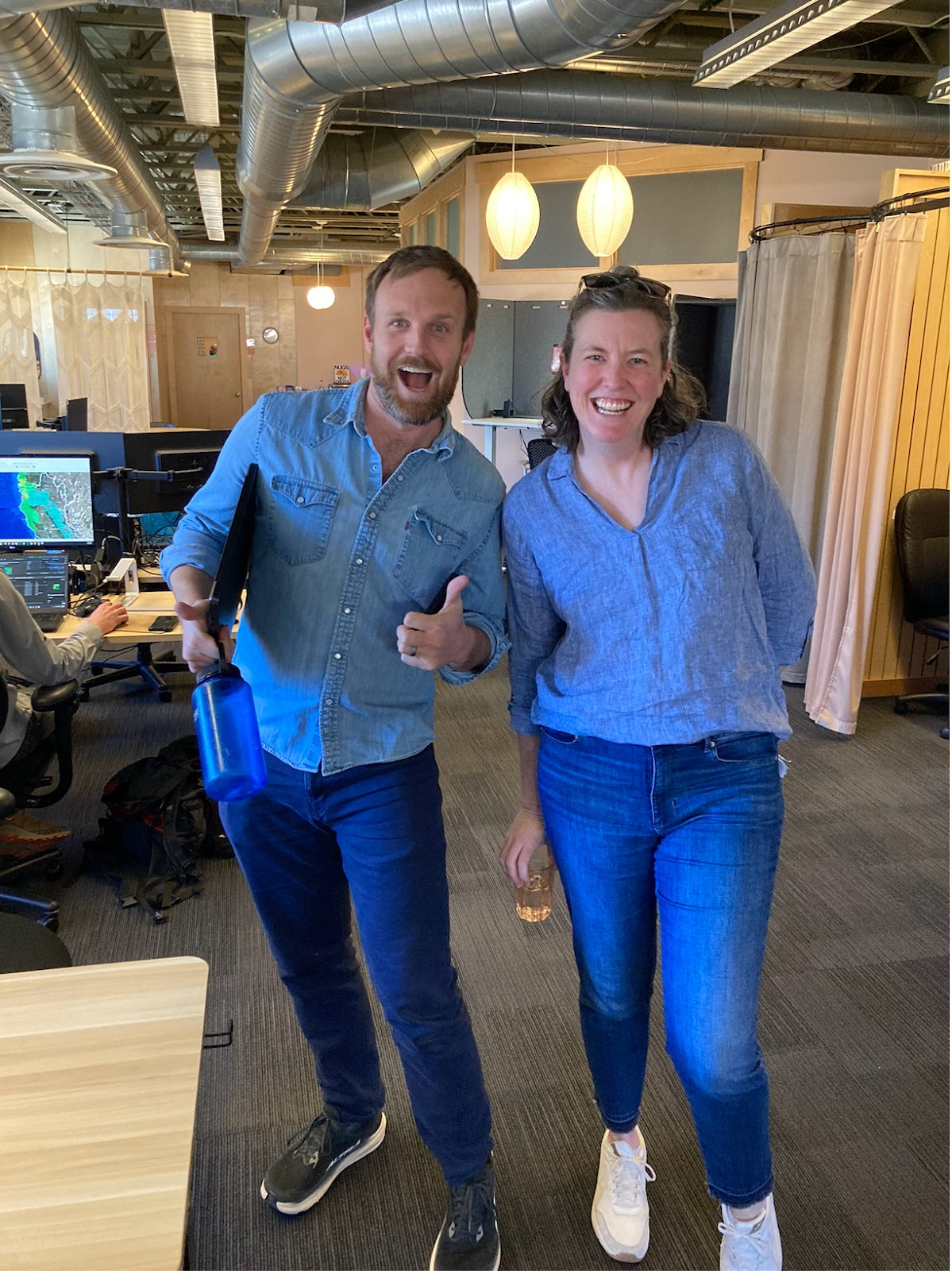
There were never any investors or VC money, so we always leaned really hard into the scrappy philosophy that we’re in this together and helping each other. When somebody needs something, you announce it to the room, and we all dive in and help.
That happened because our space was so small. In the beginning, only 400 square feet of the space contained those 12 desks, so you could reach out and touch your neighbour. That’s how close together we were. The physical density of that worked in our favour, making it impossible to ignore what they were going through.
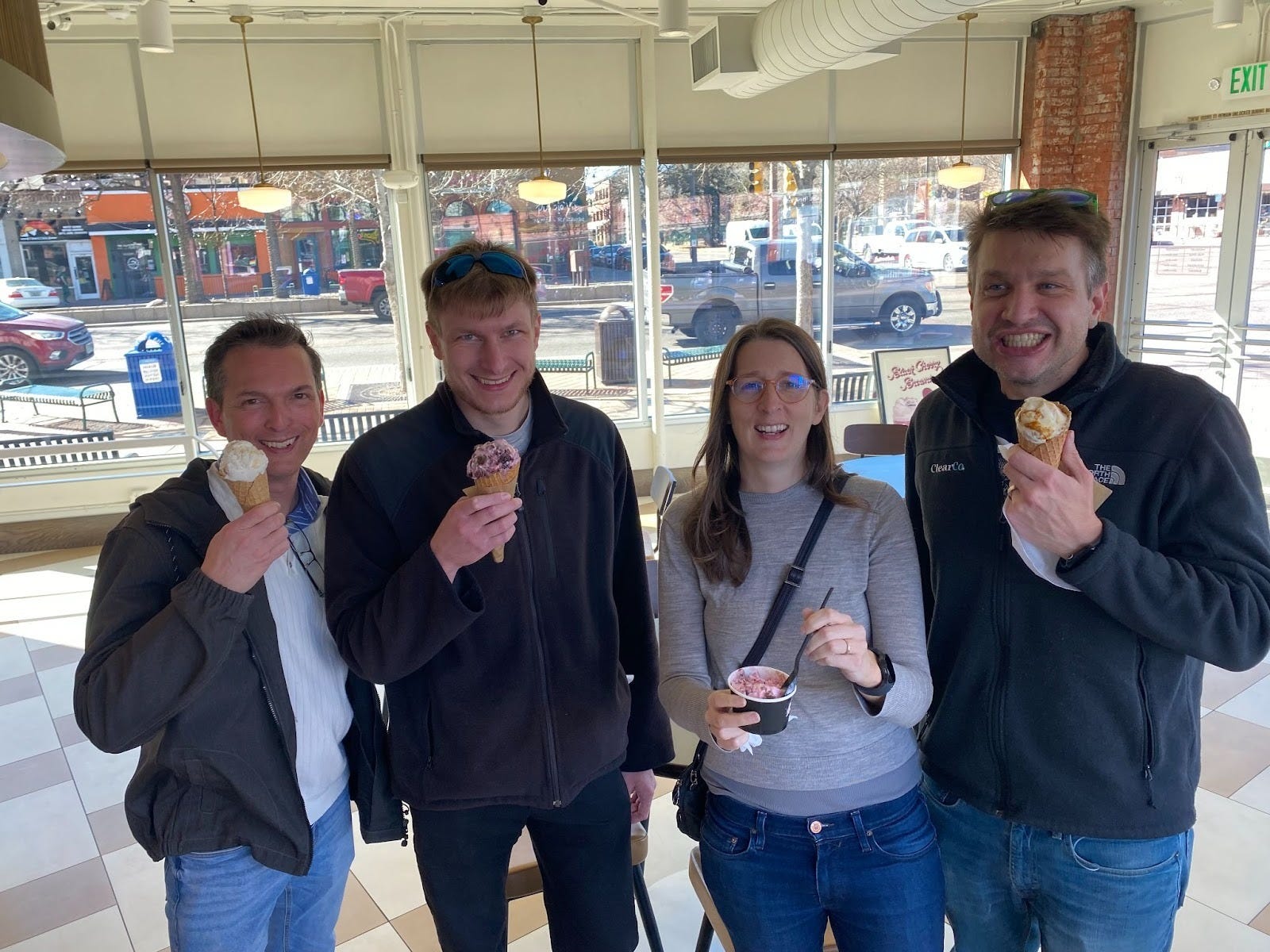
We all felt like doing everything as a unit. We worked all day and went to lunch together. Before having kids, we’d stay late, go to an art walk or see music in the square. It cemented our bonds, which compounded over time. In a couple of weeks, I’m participating in one of our original members’ conferences, and members who moved away still text me to share their news.
To still be here 16 years on, 50% of it is just how the space was fostered, and the other 50% is that I’m super stubborn and wasn’t willing to let it die. Even during COVID, and our challenging economic and political landscape, I believed so strongly in the power of community – it can get us through almost anything.
4. Many coworking brands aim to scale fast. Why have you chosen to stay independent?
Angel: I’m invested in Cohere being a lifestyle business for me. I don’t work full-time or subscribe to the grind. I’m into lifestyle architecture, and growing the business will just use up more of my time.
We’re simple folk, so the desire to scale, grow, have more, and do more and be recognised never resonated with me. Women in tech are always asked whether money is the motivator, but I always feel like it’s the wrong question. I hardly ever meet women who want more money. I want balance and flexibility; to be able to go to my kids’ programmes, stay home when they’re sick, or when I’m sick, and have more flexibility in life.
One of the coworking OGs, Alex Hillman (co-founder of Indy Hall), describes coworking like a restaurant. You can walk into a McDonald’s, and you can walk into a farm-to-table local restaurant, and while you’ll get a meal at both, what’s the quality of that meal like? Where did they source the ingredients from? What’s your experience like? Will you remember that experience after you leave?
That’s what coworking has become. Everyone walks in to get a meal, and we all get served something. But unless you experience the other type of restaurant (or coworking in this case), you don’t know what you’re missing. Coworking has become a ubiquitous term for shared office space, but the value you get from place to place differs wildly.
People must explore different options and ask better questions on their tour. I don’t feel like they ask the right questions. We had a period when people asked if we had a printer — that’s not the point.
We’re always communicating to people that our physical container holds us, and it’s deeply useful to get work done, but you can do that anywhere: at home, in a coffee shop, or at your friend’s house. It doesn’t matter what I have in the space, but what if you meet your new best friend here?
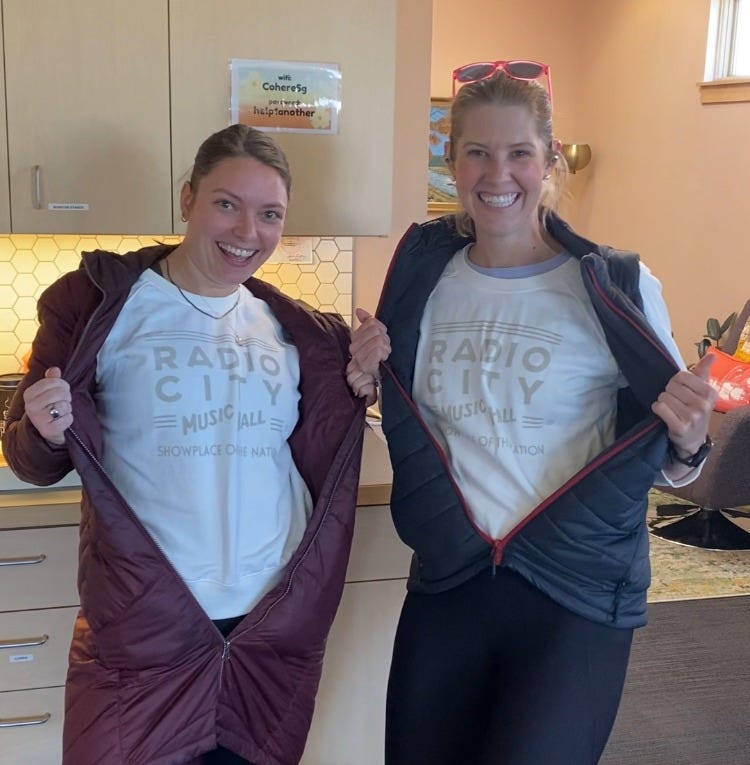
5. The core offer at Cohere Coworking is community friendship rather than desks and amenities. What does that look like in practice?
Angel: Lately, I’ve been working really hard on my marketing at Cohere to attract more of the type of people that we want in our space.
In town, we’ve got some amenity-heavy, shiny, beautiful new coworking spaces with the ‘wow factor’ when you walk through their front door. Those spaces sell an aspirational lifestyle for someone who’s hustling, grinding, and performing work for a crowd of people on camera.
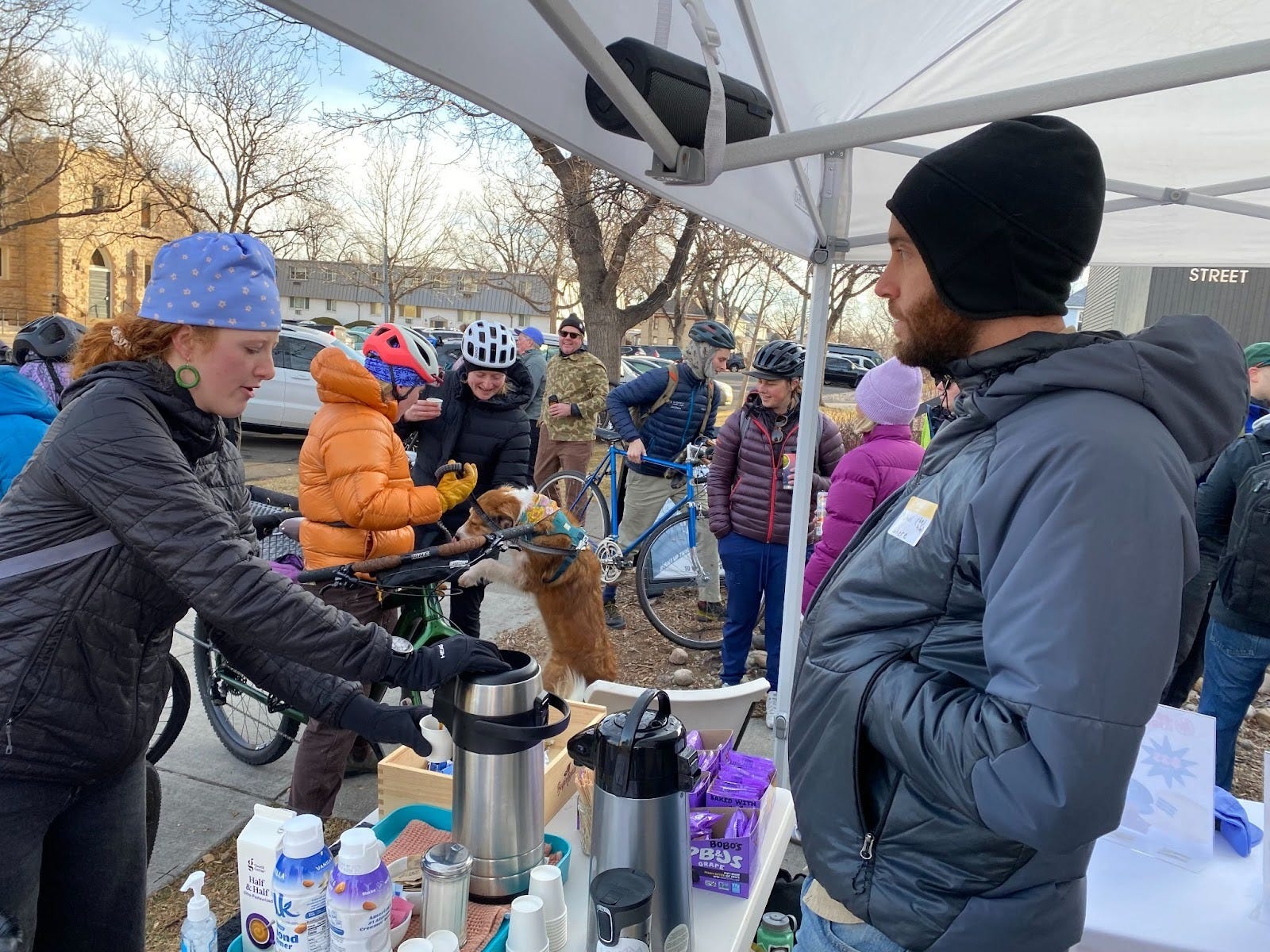
Cohere is the antithesis of that. We’d like you to come as you are. We’ll make you a cup of coffee, sit with you, and listen to why you’re struggling today or what you’re trying to get out of this space.
We’ve had people who just got laid off and brought their whole messy selves to us. What we’ll do is match you with somebody who’s into the same things as you, and now you can do it together instead of alone.
Cohere has grown up with me, and I tend to attract people of a similar age and phase of life. More members are married, have kids, and are mid-career remote workers. Although we have a handful of freelancers, almost everyone at Cohere is a well-paid remote worker managing people. The coworking space is seen as an easier line item in their budget. We’re all into the same stuff – there are lots of outdoor people, bicyclists, and skiers.
6. What would you like to see more of in the coworking industry?
Angel: I’m desperate for the kinds of gatherings that the OG operators used to have. We’ve lost the scrappy, bootstrapped ways we used to connect, and part of it is just life circumstances.
Now, many people have moved on from running their spaces or are doing other things. It’s really rare to have been in coworking this long and still be boots on the ground in a space, refilling the toilet paper and holding people during life’s moments.
I don’t want to go to a shiny conference with sponsors; I want to hang out with the war-torn, experienced grassroots, coworking operators who aren’t in a franchise or a chain, who don’t have VC funding, and who just show up, and believe so passionately in coworking as a force for good.
I don’t really identify with the conferences anymore. They don’t speak to me in any kind of meaningful way. But I still believe in gathering in three dimensions. As an old-school operator, I want to rent a house by the beach and hang out, and cook dinner together.
About People Make Coworking
Celebrating the people who make up the fabric of the global coworking movement, People Make Coworking interviews coworking space founders who share their journeys of building communities and workspaces.
Edition #25 of People Make Coworking interviews Angel Kwiatkowski, founder of Cohere Coworking in Fort Collins, Colorado.