


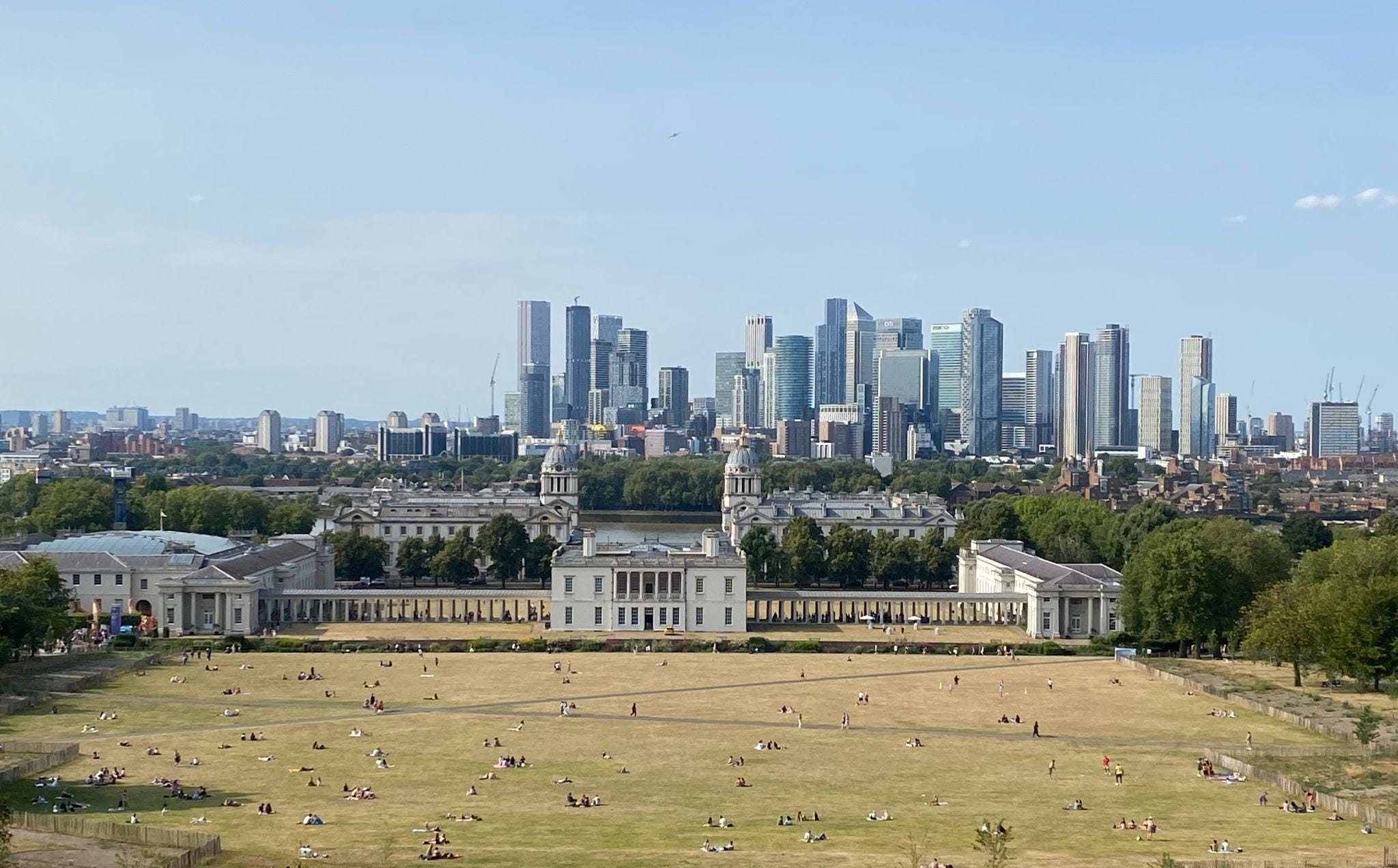
A few months ago, my husband and I did our usual weekend loop, walking around Greenwich Park before popping to the market. When we reached our local high street, we noticed a new shop: a Basque cheesecake store.
It piqued our interest, not because we fancied a slice of Basque cheesecake (I’m not even sure what it is), but because the shop was dedicated exclusively to one item. It might have seemed unusual, however, only a few months earlier, an empanada store had opened up opposite the cheesecake store, and last summer, a chocolate shop chain took over another two high street units.
Walking past queues of twenty-somethings waiting in line for their £7 slice of cheesecake, we started talking about everything that was missing from our local high street. What happened to the beloved vintage shop that once occupied the space where the Basque cheesecake store now stands? And where can we go to a local deli, a butcher, or an independent restaurant?
It also made me think about the lack of third spaces in Greenwich; places to linger and connect with other people. This is exactly the kind of gap coworking should be stepping into.
Who are we designing the high street for?
Living in my London bubble, I wondered whether a high street full of hype stores is something we see exclusively in the capital. Perhaps in local towns and smaller cities, practical stores and third spaces still exist.
But then I came across a LinkedIn post from a developer who proudly announced he was turning an empty high street pub in Nottingham into a coworking space. It seemed like good news to me, until I reread his LinkedIn post and noticed the catch… the pub would be turned into a “luxury coworking space for entrepreneurs and founders.” My heart sank a little.
Calling a space ‘luxury,’ be it coworking or something else, seems exclusive. Plus, his desired target audience – entrepreneurs and founders – excludes a whole group of people who would truly benefit from a coworking space on their doorstep.
I’ve never been to Nottingham, so I don’t know the exact demographic. But, surely a high street workspace in a town like Nottingham could be geared up towards graduates exploring job opportunities, local parents working close to home, and older people learning new skills? A place that also welcomes founders and entrepreneurs, but isn’t exclusively for them.
We don’t need overly rigid labels for who a space is for. The reality is that usage is often shaped by design, tone, and pricing long before anyone walks through the door.
Buzzwords like ‘luxury’ and ‘entrepreneurs and founders’ suggest that this coworking space is going to become an exact copy and paste of what we’ve seen before – workspaces optimised for a narrow demographic, often lacking diversity, community, and accessibility.
The bottom line for neighbourhood coworking spaces
Perhaps I’m being too harsh on this developer. After all, taking over a commercial unit is a brave decision in this current climate. On Greenwich high street, for example, commercial rents easily run into several thousand pounds a month. Add skyrocketing business rates hitting the coworking sector, plus spiralling energy costs for the foreseeable future, and it makes sense he’s prioritising profit before affordability.
A similar line of conversation came out of the Unreasonable Connection Live! event last month. Coworking spaces, especially independent spaces in expensive cities like London, are struggling to keep the lights on.
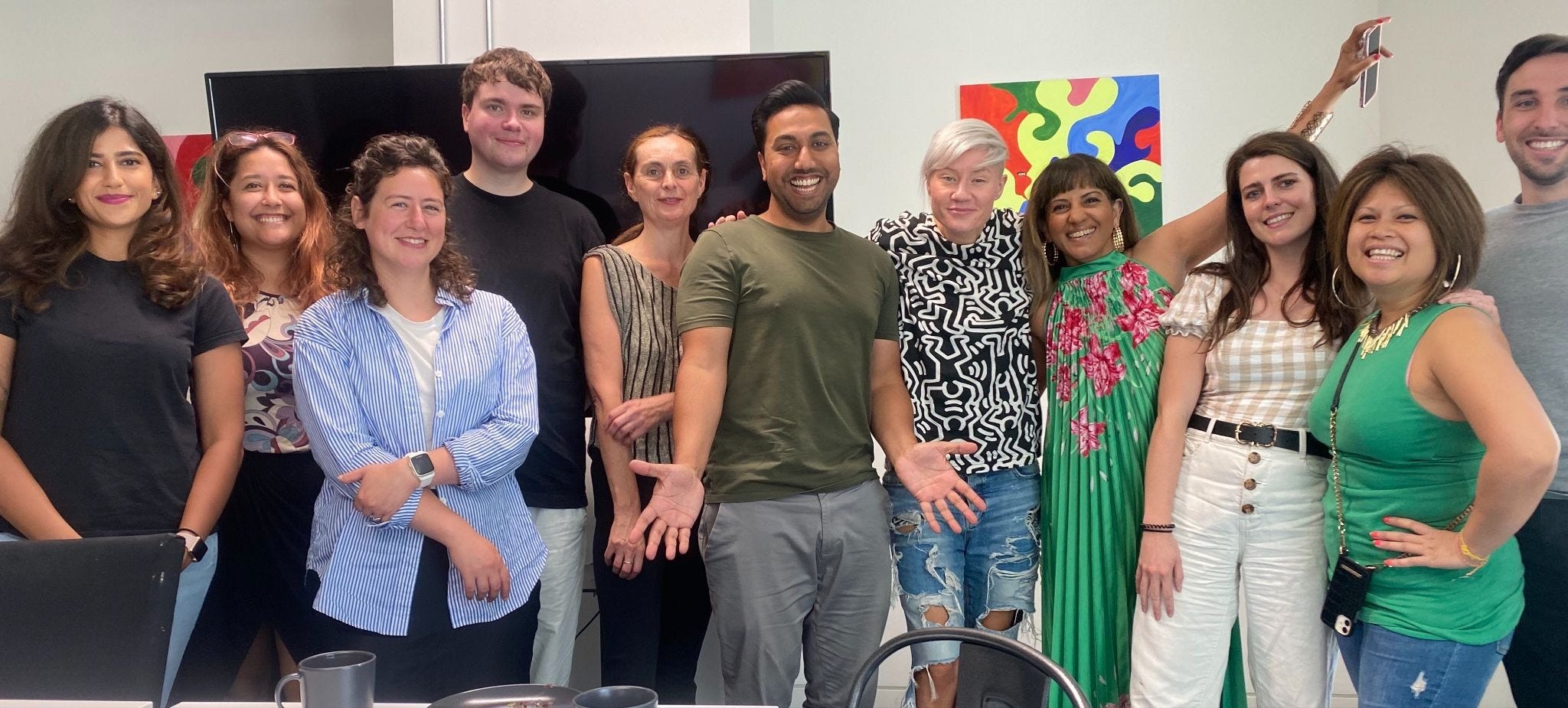
I think back to the coworking space I was part of for two years. Despite having a genuinely thriving community, being truly affordable, and in a premium location (Old Street), the workspace still couldn’t afford to stay open long-term, closing after only three years in business.
But what’s the alternative? From where I see it, turning an empty commercial unit into a ‘luxury’ space, whatever its usage, contributes to the problem where we still don’t have affordable, accessible third spaces for local people to participate in.
When third spaces disappear
Take the fact that the new coworking space in Nottingham is located in a redundant high street pub. This represents something even more unsettling.
Traditionally, pubs were the heart of British culture – places to gather, linger, and connect. Norwich, the city I studied in, was said to have a pub for every day of the year and a church for every Sunday. But, I’m not so sure it does anymore. Soaring overheads, business rates, and rising cost of living for punters in recent years have forced many to close.
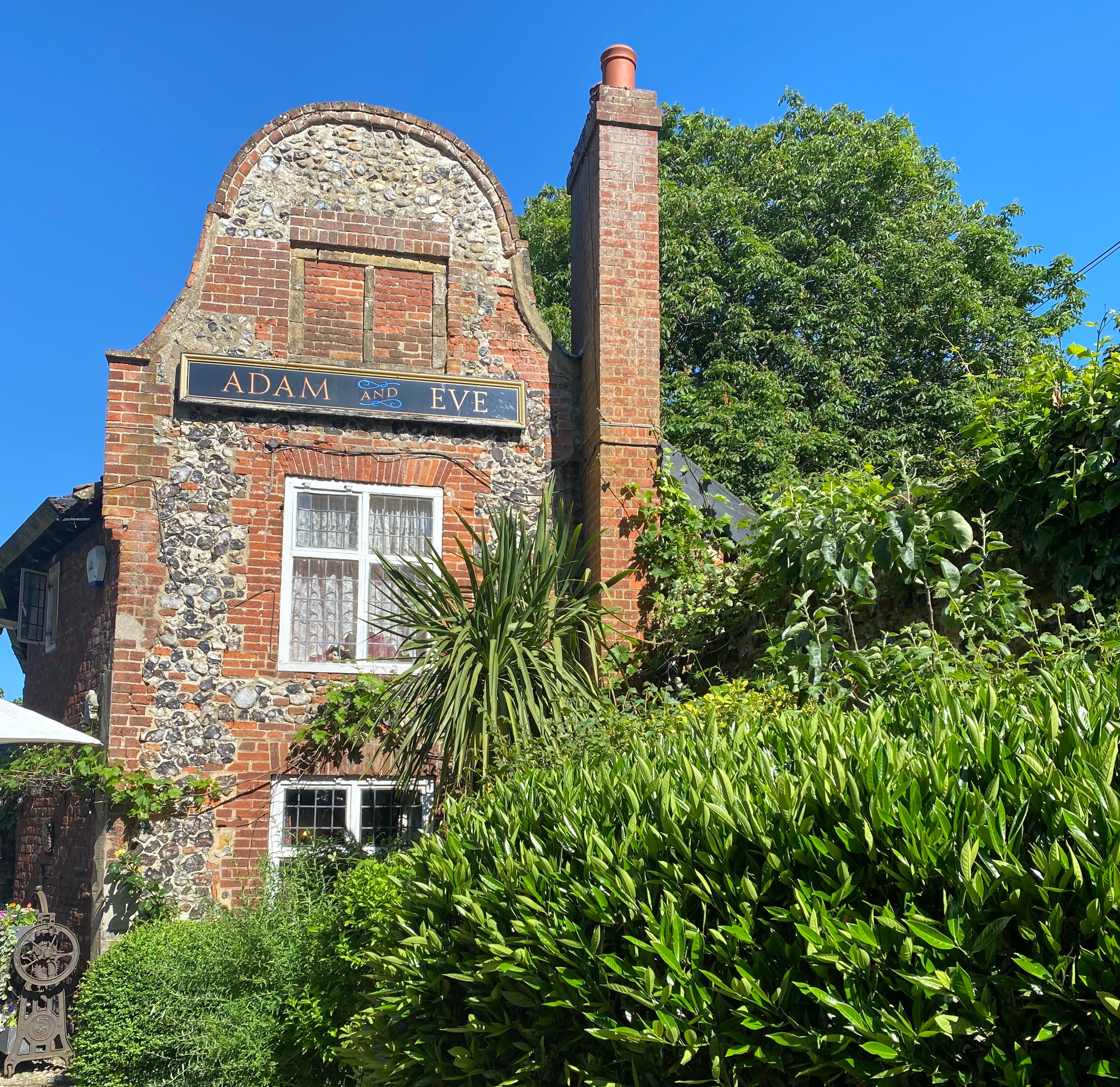
We still need third spaces, but perhaps their functions have changed. Maybe we don’t need to pop to the pub for a pint, but instead, go there to enjoy a community event or participate in a neighbourhood celebration.
Recently, Vibushan Thirukumar, founder of Oru Space, articulated a similar point:
“Something happens when you give neighbourhoods and high streets a PROPER third space. For those who don’t know about this third space chat... it used to be our religious spaces, community halls, town squares, markets... but our views have moved on and so have our lifestyles BUT the need for third spaces hasn’t.”
Oru Space does third spaces really well. With sites in Dulwich and Sutton, and another announced earlier this week coming to Limehouse, Oru combines coworking, hospitality and wellness in each place and embeds deeply in the local community.
A couple of years ago, I spoke to Vibushan about his journey of building the coworking brand for Allwork.Space.
Vibushan’s words also take me back to something Stephen Carrick-Davies, Director at Facework, once shared with me about the lack of third spaces for people to meet and that we’ve become too time-poor to connect, even in places like the school gates.
And it’s true. Everyone seems to like the idea of being part of a village, but fewer of us have the time or the space to be a villager. That’s the real challenge.

So, if coworking is going to take its place on the high street, it has to be more than just a well-designed workspace. It has to make it easier for people to show up, to linger, and to feel part of something without friction or exclusivity. Otherwise, we’re just redesigning third spaces for fewer people.
Coworking: the missing piece of the puzzle
High streets shouldn’t just be tourist attractions or trend destinations, but they should be places where locals feel they belong. That’s what third spaces have always offered.
Coworking has a real opportunity here. Not to replicate what we’ve seen before, but to rethink what a neighbourhood space can be – more open, accessible, and rooted in the communities around it.
When it works, high streets stop being places you pass through and start becoming places you return to.
Until next time,
Lucy