


Suzanne Murdock has immersed herself in the flexible workplace industry for over a decade, having previously worked across corporate banking and property sectors. After moving to Northern Ireland in 2009, Suzanne co-founded her network of award-winning, flexible office workspaces in Newry on the border between Dublin and Belfast.
A great believer in building relationships, belongingness, and inclusivity, Suzanne’s values around community manifest in her thought leadership pieces and podcast – ‘Powering Productivity’. Alongside this, Suzanne is an active member of the European and London Coworking Assemblies, a regular panel speaker, and moderator, with a particular focus on regional and SME workplaces.
Suzanne is also an accredited coach and mentor for SME owner operators and business leaders, helping them to cultivate a thriving flexible workspace and community.
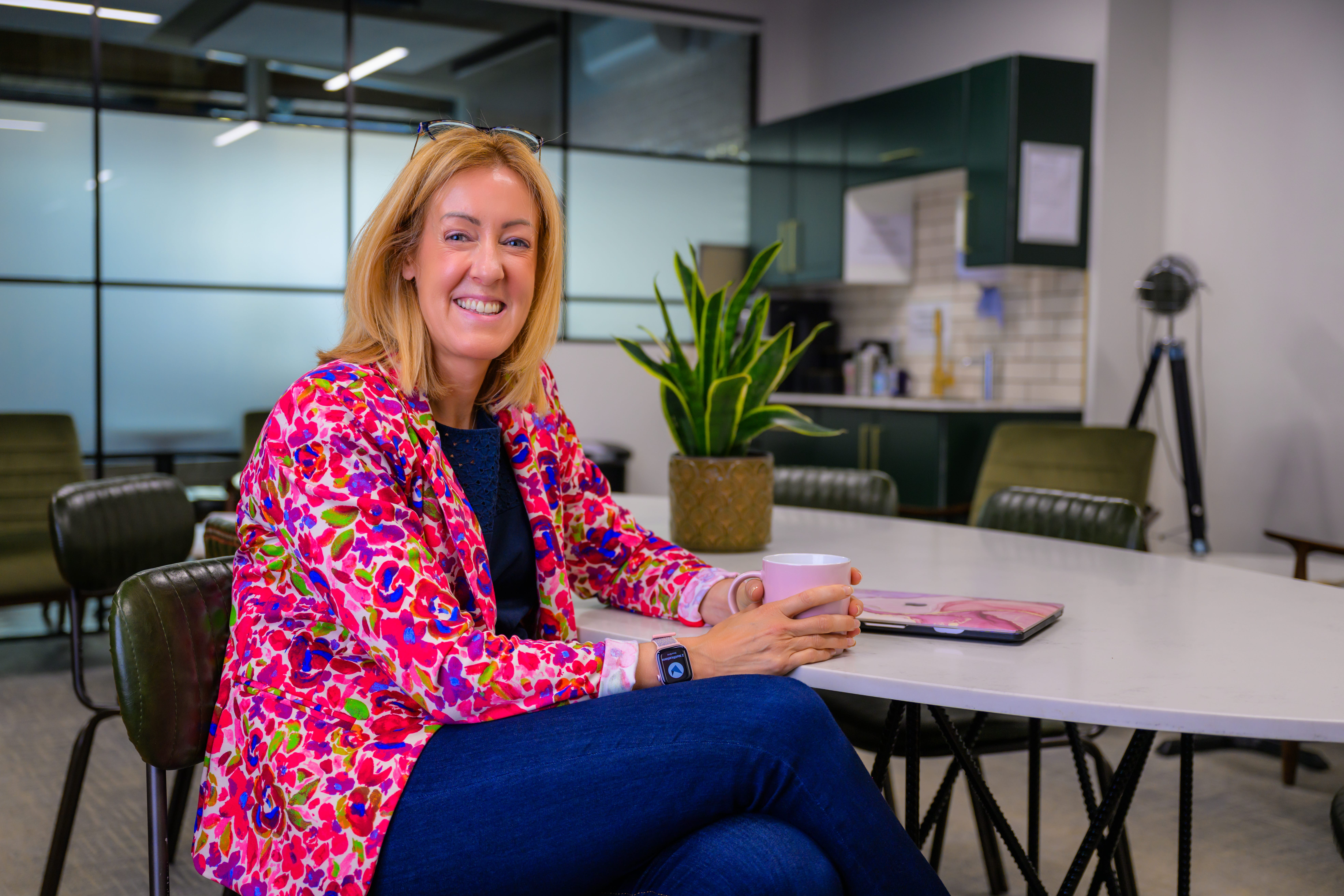
1. Community and belongingness are topics that you talk about through your platform and podcast. What does community mean for you?
Suzanne: As a coworking operator, laying the foundations and finding the right environment to allow that community to start building and engaging is important.
But, I don't think operators or operations teams can actually physically build communities themselves. It's about creating that environment, introducing members to each other, helping them engage with each other, and finding those people they feel comfortable with.
The flip side (from my perspective as an individual) is finding your tribe. The people who you feel comfortable around, who inspire you, their energy, who are present when you need that support, and who you can be really open with and trust are a big thing for me.
But, it's important to say it doesn't happen overnight – both building the community and finding the community that's right for you. I’ve been thinking about this and, as we’re all so busy with different elements of our lives at different times, we don't always know what we need and who we need to speak to give us that energy.
It's about taking some time out and really understanding what you need at that time. You might have different community groups, both in work and out of work, who you really feel that sense of energy at different times.
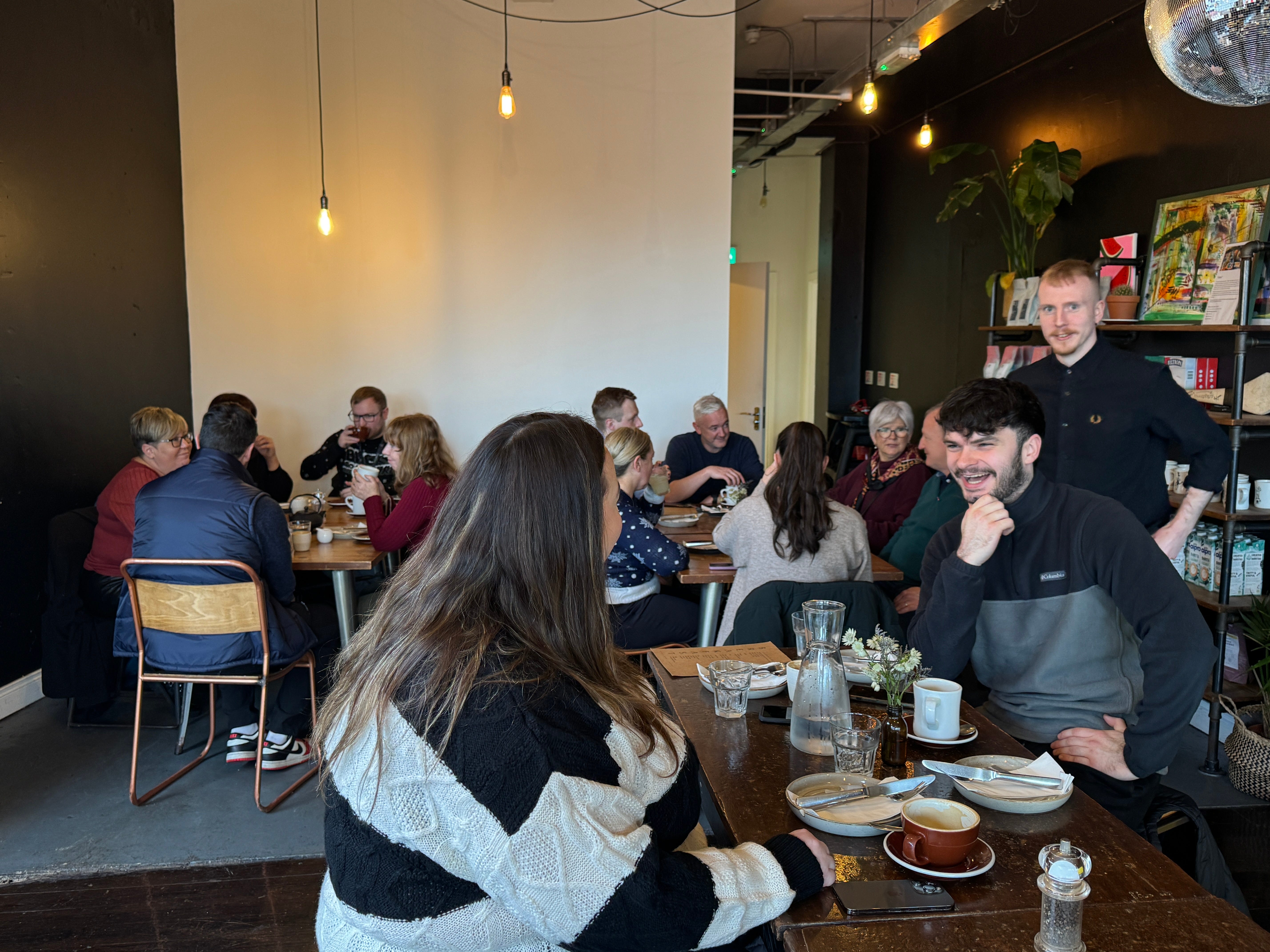
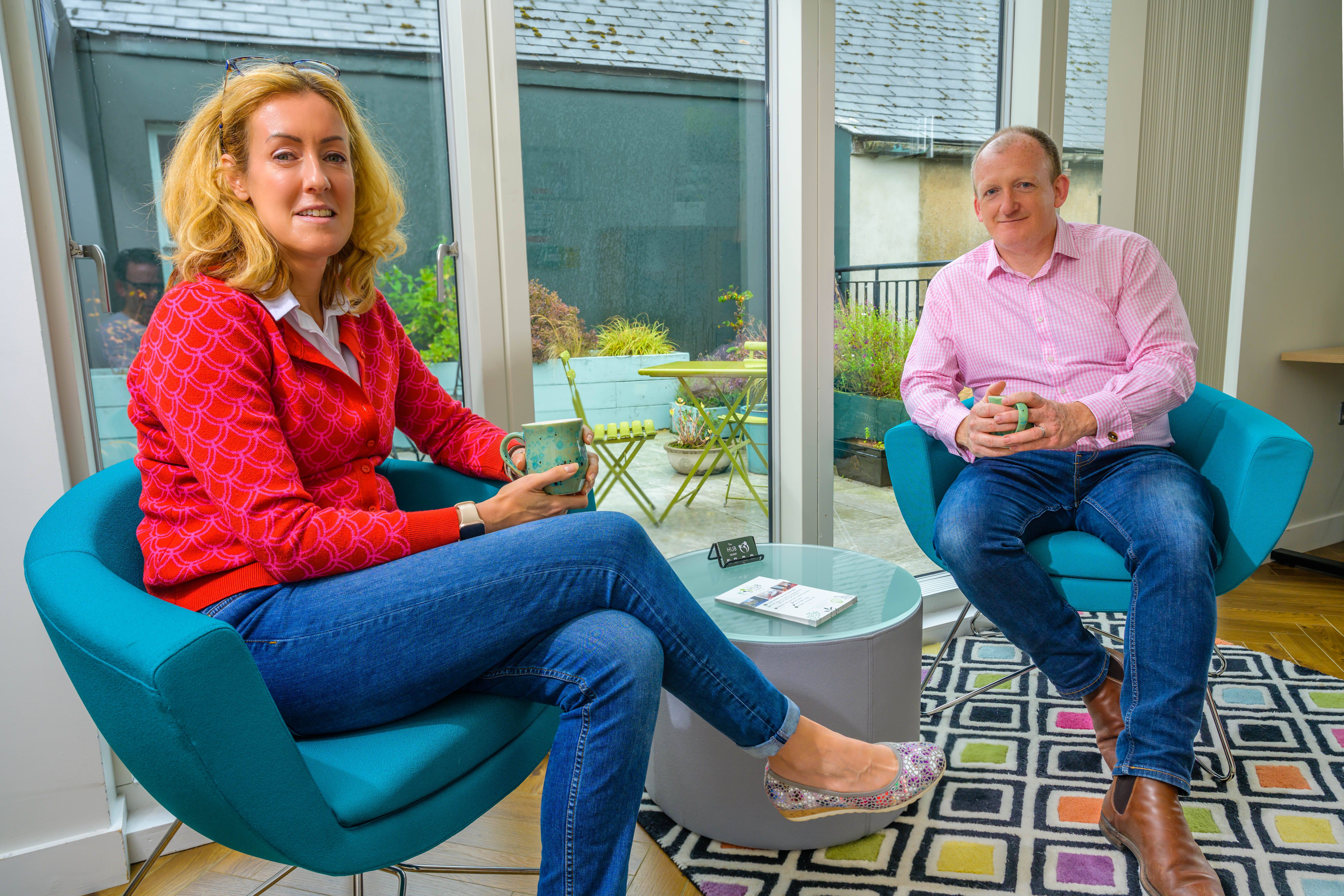
2. Can you share more about your journey of launching and managing The Hub Newry?
Suzanne: I didn’t have a community when I moved to Northern Ireland in 2009 – the only people I knew were my husband, his family, and my 18-month-old son. I didn't understand the accent, so I felt lonely and isolated. At the time, my husband and I were working together on a financial services business, and I was juggling motherhood, a new home, business, etc. I had to find my own support network.
We also needed somewhere to work out of so, in 2011, we bought what was then the top floor of a local pub, and renovated it into office spaces.
We'd seen the coworking concept throughout Europe, it was in its infancy back then. We thought we'd give it a go. We didn't have a clue what we were doing, but coworking, certainly in Northern Ireland, was nonexistent back then.
Slowly, but surely, we were joined by some freelancers who also needed office space. They’d grown up in Northern Ireland, gone away and come back, and again, and didn't necessarily have that support network. So we were all in the same boat, and growing our businesses.
Our community just grew organically. We formed that community of common interests, and a sense of belongingness, support, and feeding off each other.
We were advocating for the coworking concept, which has evolved so quickly and massively that we were learning organically about what it is, the benefits, and how we could roll it out. We launched our second space in 2017 because our members were growing their businesses and needed a feeder space. We rolled out our newest space on Margaret Street in 2018.
Around me, we had a couple of different community networks with both our internal members, and they had their own networks. So, we would feed off each other, and into community-driven organisations, charities, and the local economy. Community is a big thing for us.
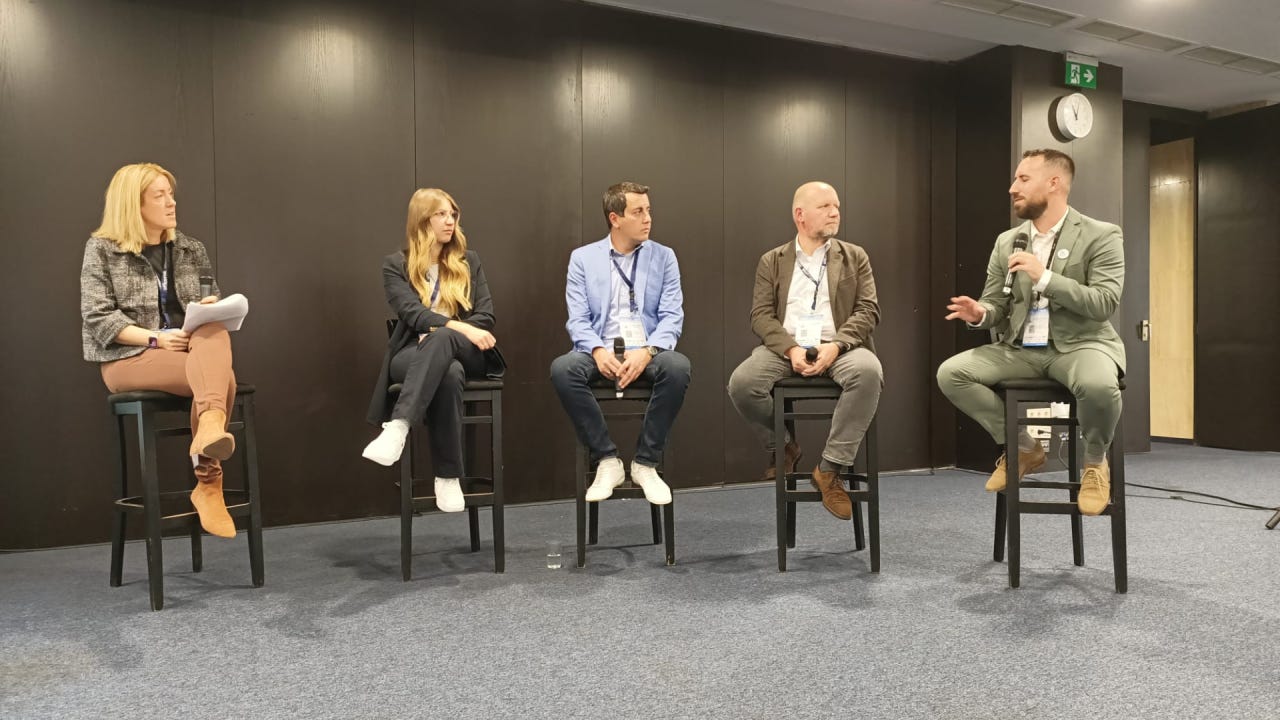
3. You recently spoke at Coworking Europe about how suburban, regional, and decentralised areas can become thriving locations for flexible workspaces. What were some of the conversations from that discussion?
Suzanne: The five of us on the panel are established coworking operators in the regions and suburbs. From our perspective, the operational teams can be a bit smaller, and often, if you've got an SME and micro space, you are the sole operator.
As you juggle many different hats, it can be quite a lonely, stressful role. It's very much about reminding yourself that you need to look after yourself, and have support networks and experts around you to keep your energy levels high.
We discussed the need for more advocation and education around exactly what coworking is, and the difference between coworking and flex. Personally, I feel that coworking is the people element, and Flex is the infrastructure. But there's an awful lot of different takes on that. Someone said recently that serviced offices are still used as terminology, but it's kind of old hat for Flex.
Some people think coworking is the open-plan side of things, and flex is very much private office space. Having said that, regional, suburban, and rural spaces can offer both. The amenities and the target audiences can be similar. We had a bit of a debate on that because the city-centric spaces are very corporate-orientated now, but corporate remote workers equally want to work in the suburbs and regional areas. So you might only find one or two from a particular FTSE 100 business, but they're still looking for the same amenity services and setups.
When it comes to the debate between coworking, Flex, and serviced offices, it's not really important for the end user. They just want to know what they're going to get, and they know what they need, so it doesn't need to have a specific title.
The other things were your location, community, local economy, and what end users look for. You'll often find that people working locally do it for personal reasons, for example, the after-school pickups, so they require car parks and maybe sports facilities.
Then that feeds into pricing. Ordinarily, you think city-centric spaces will be more expensive, but higher price bands don't necessarily feed through. The rates and electricity in Newry are just as expensive, if not higher, than in Belfast and Dublin.
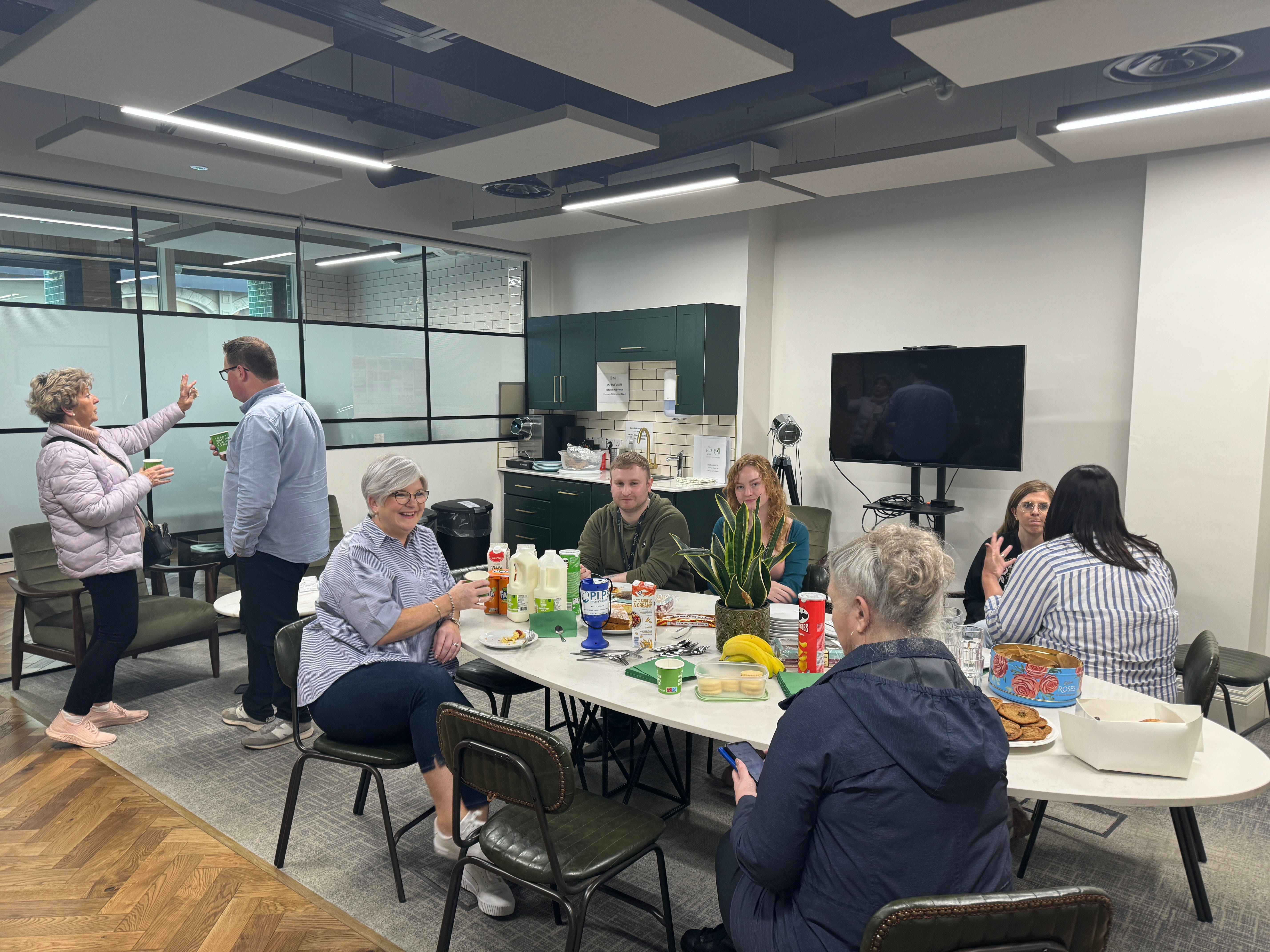
The smaller spaces and spaces in the regions are very much about fostering relationships. Community and partnerships are key for local spaces. At The Hub Newry, we partner with The Clanrye Group – a Northern Ireland-based charity helping get people back into the workplace and training.
Stephanie Mayr (based in Vienna) said branding is just as important for regional spaces as those in bigger cities: “It’s not necessarily about creating a distinct brand for suburban locations, but rather about maintaining consistency all across and then adapting for the actual location.”
At The Hub Newry, we're now on our second generation. We’ve got members who've been with us for 12 years and their children are coming in as adults. We've seen them go through the educational system and now they've got jobs and work remotely from our spaces. That’s another angle that regional spaces can look at.
4. As a mentor for SME business owners and decision-makers of hybrid and flexible workplaces, what’s your number one tip to cultivate a connected coworking space?
Suzanne: Knowing your audience, who you're aligned with, who you're trying to work with, and doing everything you can to build relationships with them and understand exactly what they need, who they are, where they want to get to, and their best ways of working.
You almost need to get to the point where you're anticipating their next move and the requirements they're going to have so you’re one step ahead of them and retaining those long-term relationships.
That would be my top tip – keep checking in with them, always talk to them, and continue to build those relationships. It makes things a lot more natural, because they need to understand where you're coming from, and our challenges as operators.
The rising living costs have been difficult for operators. But, everyone is going through the same things. You just have to work smarter but, at the same time, there are only so many costs you can pass on. To counteract that, you can find other revenue streams.
5. How can the coworking sector do better, and what would you like to see more of within the industry moving forward?
Suzanne: I'd like to see more support around the SME operators, certainly the micro operators, and understanding their challenges when they've got small teams or one-man bands, how they're absorbing those extra costs with different audiences, diverse members, and the amenities that go alongside that.
Having said that, a lot of the conferences and meetups are taking that on board, with more topics and panel conversations looking at that and seeing how we can help each other.
What we’re doing well right now, and we can always do better, is having that support network amongst the smaller operators, with a lot of it focused on inclusivity, a sense of belonging, both personally as a group of operators, but also for our members as well.
We must remember that many of our members are small businesses and freelancers – that can be a tough platform to work from.
The other point worth highlighting is the importance of coaching and mentoring for coworking operators. It can create a safe space to get curious, learn more, look at possibilities, clarify that side of things, and know that someone's got your back.
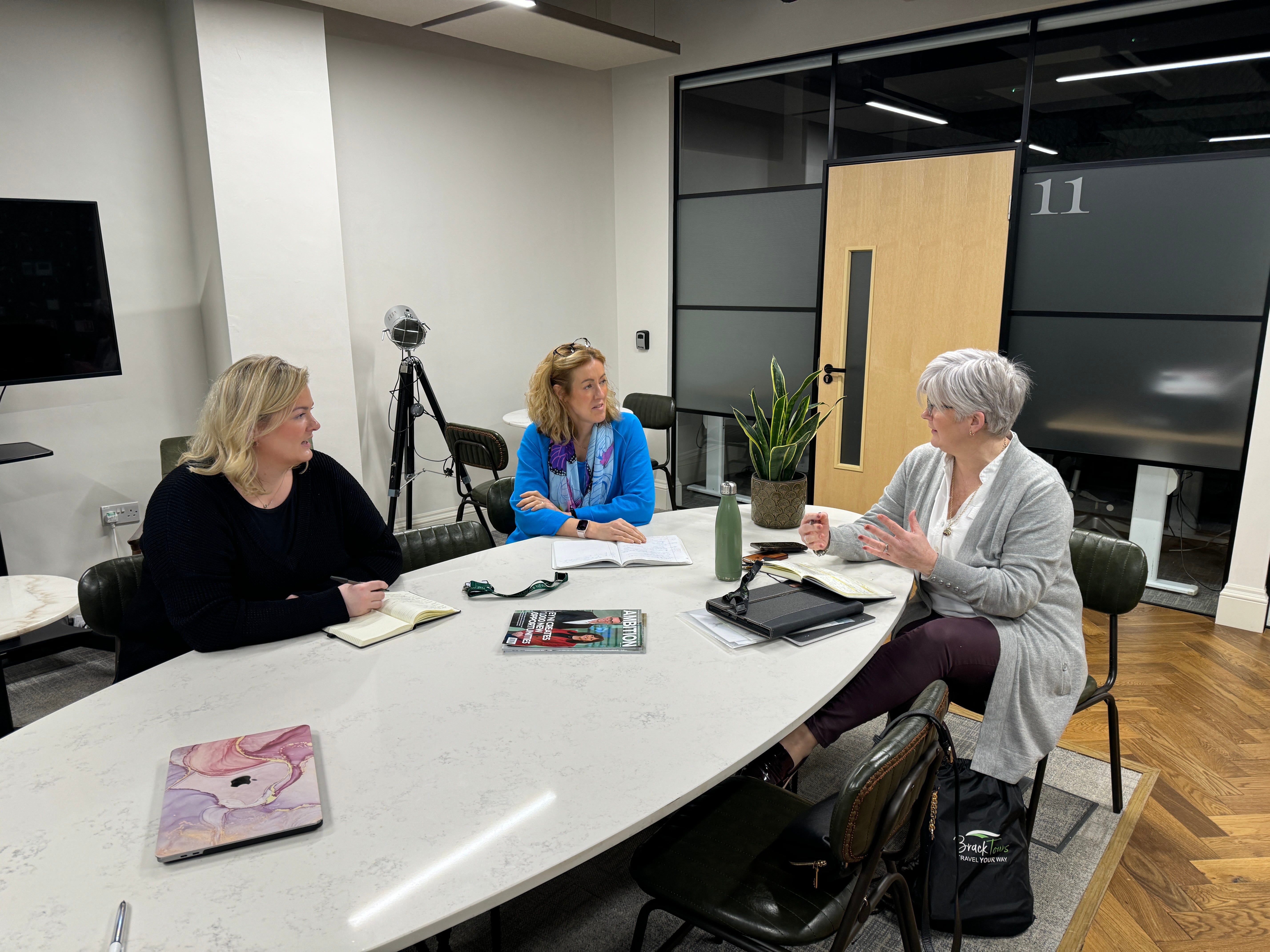
People Make Coworking celebrates the people who make up the fabric of the global coworking movement. By exploring the community, connection, and collaborations – the ‘co’ of coworking – this blog series shares stories from pioneers of the coworking movement and community builders.
If you’d like to share your story in co, please get in touch. I’d love to speak with you for a future feature.