


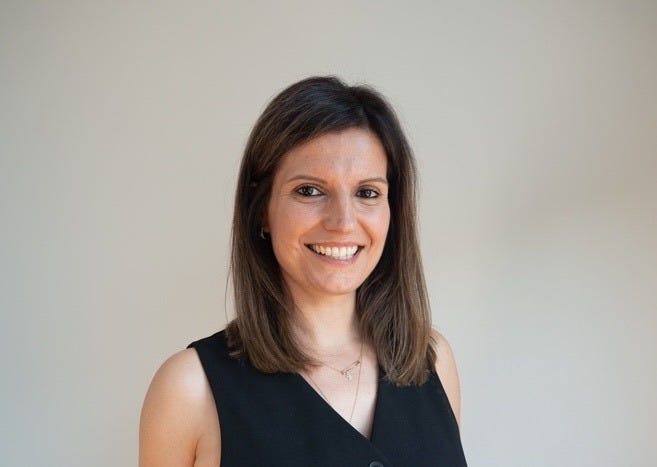
When Olga Paraskevopoulou returned to Athens a few years after the economic crisis, she was coming back to a place where many people were doing the opposite: leaving in search of better opportunities elsewhere.
Starting a business at that moment was a bold decision, but Olga saw a different possibility, inspired by spending three years immersed in the early coworking movement in the Netherlands. Olga identified an opportunity to create a community where people could support one another, and build something together. This became the foundation for Stone Soup coworking space.
The name comes from an old folk tale about three strangers who bring a struggling village back together by convincing its residents to contribute what they have to create something greater than any one person could make alone. This story became the philosophy behind how Olga approached building a business; over a decade later, it continues to influence the way she thinks about coworking.
In this conversation, Olga shares why contribution sits at the heart of a lasting community, and what it takes to create a workspace where people feel they truly belong.
1. How did Stone Soup come about?
Olga: We started Stone Soup in 2013, amidst the challenging economic crisis in Greece. It was a difficult time to start a business and do innovative things, with many people being unemployed or leaving the country.
I left Greece in 2010 to go to the Netherlands, and was introduced to coworking while living there. The Netherlands had technology startups, innovation, and community events, and I was in the centre of it all. I loved creating communities, running and attending events, and seeing how people contribute in their own way.
I got close with Seats2meet – a coworking operator in the Netherlands – with a very strong ethical view of coworking and of how people should help one another. Their founders wrote the book Society 2.0.
Back then, coworking was viewed more like a movement, rather than occupying a space and it being an investment. Coworking was about people; so that’s why, when I came back to Greece, I was determined to enable things for me and others.
We first started as a digital agency, but at the back of my mind, I had the idea of turning the business into a coworking space for people looking for work, jobs, and projects. As I’d built quite an extensive network in the Netherlands over three years, I brought projects over, and from the U.S., and the U.K.
These founders and CEOs were attracted to the idea of coming to Greece to build a prototype, as they could find affordable talent, and they enjoyed the Athenian weather and culture. It’s how we self-financed Stone Soup.
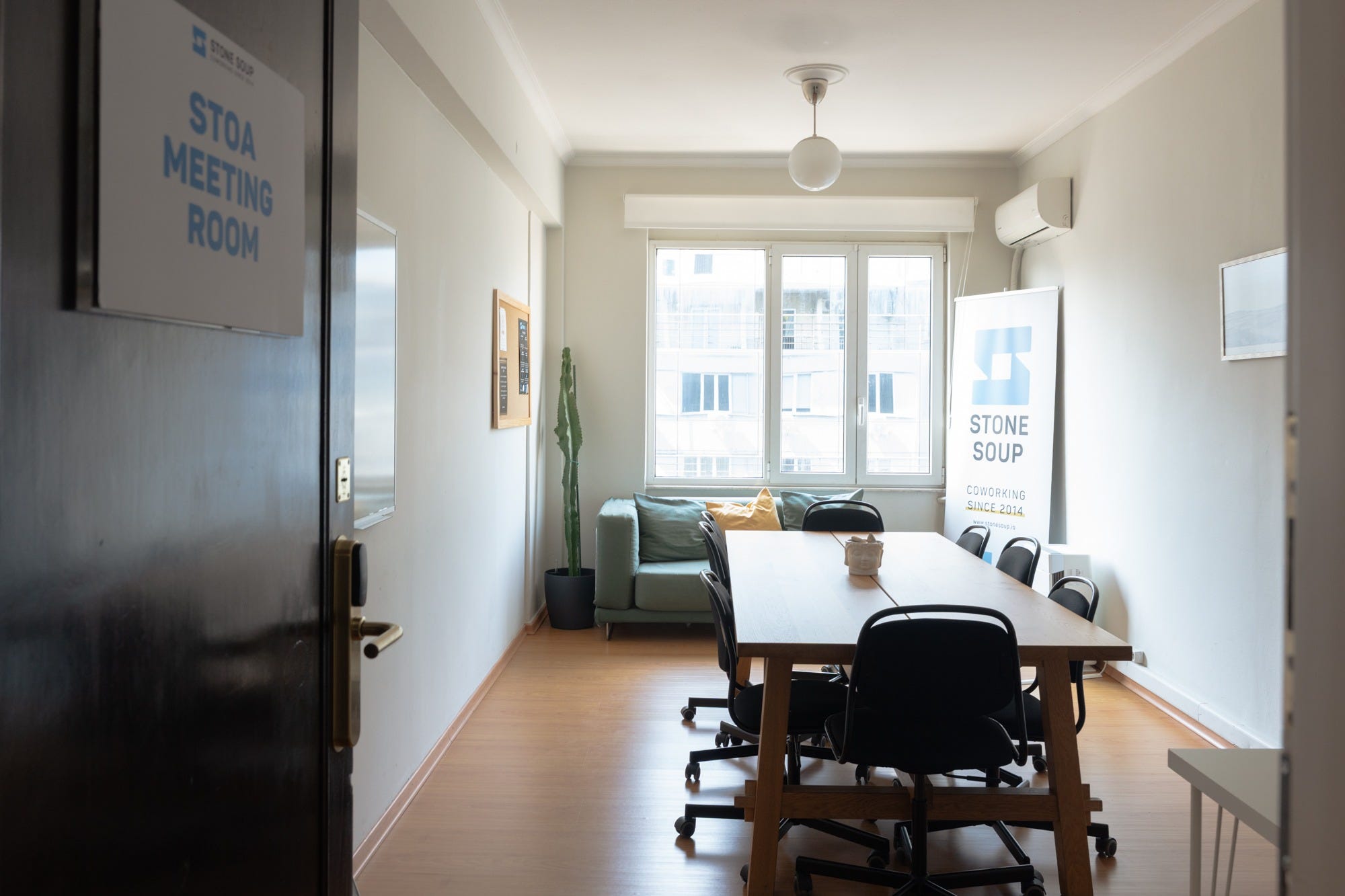
We’re one of the oldest coworking spaces in Athens, located in a central office building that was built in the 1950s. My business partner (who is from the Netherlands) provided me with an understanding of business; the Dutch have an amazing way of doing things. In the early days, we were painting and doing everything ourselves, including repairing and furnishing the space.
Slowly, we started becoming a team of people here in Athens who were contributing, and building something for us all, not just from themselves.
Stone Soup’s story wasn’t about starting a coworking space; it was more about seeing what the needs were and how the team that began forming could contribute, and seeing where we could all go together.
2. Athens has become an increasingly popular destination for entrepreneurs, remote workers, and international communities. How has the city influenced the way you’ve built Stone Soup?
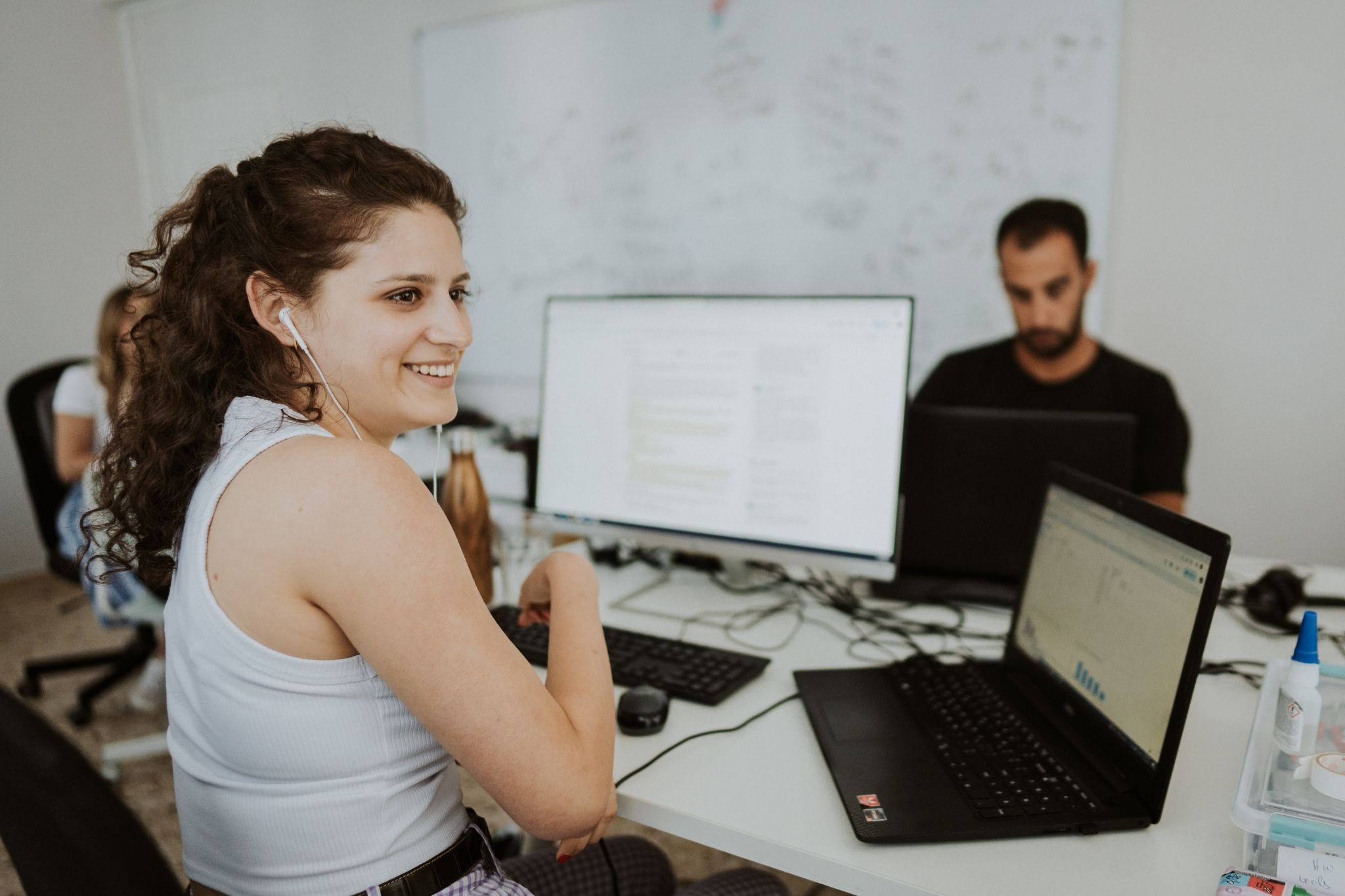
Olga: When we started in 2013, we were the only international community in Athens before expats started coming to Greece between 2017 - 2019.
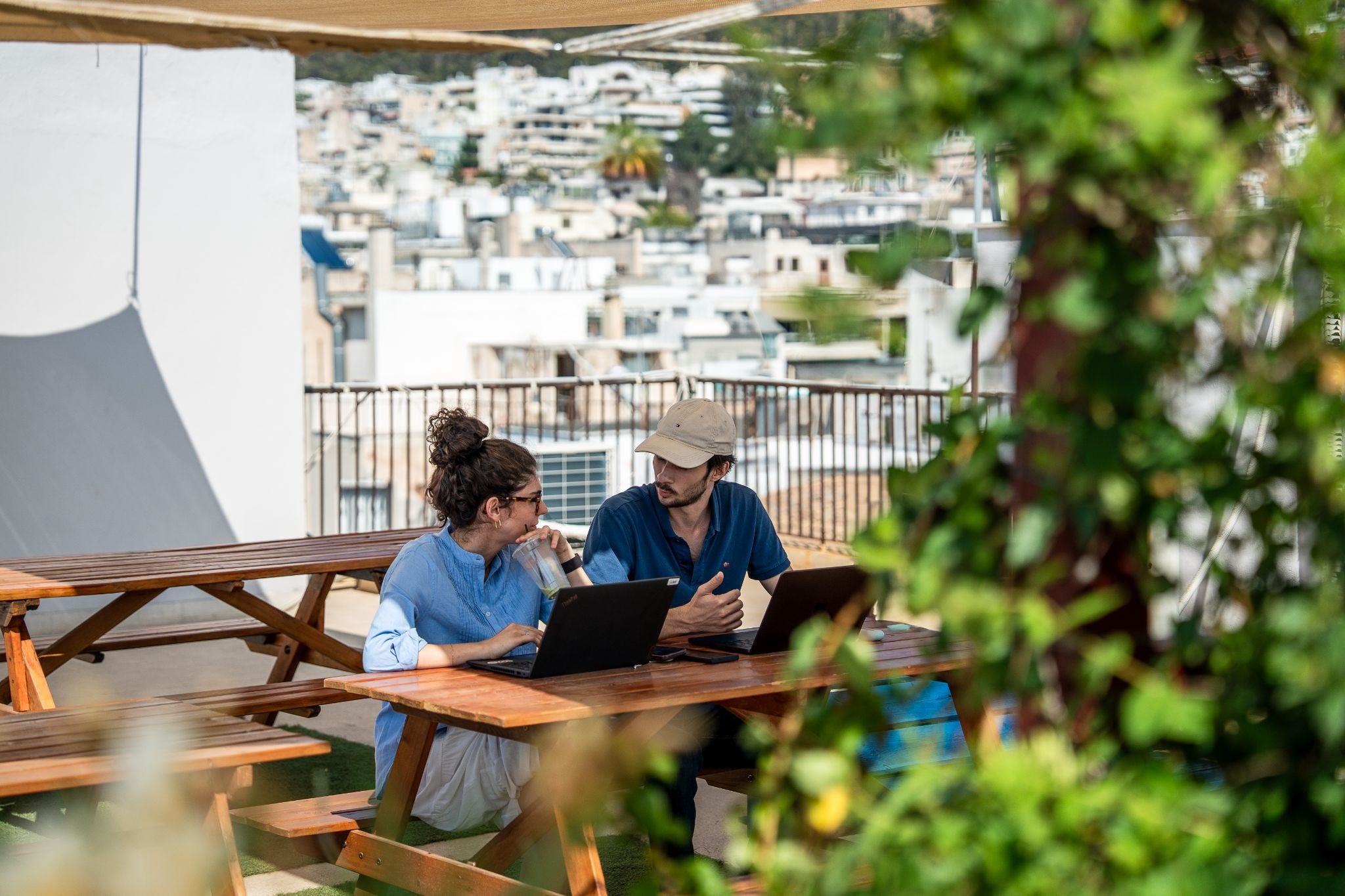
Back then, Stone Soup was full of expats because living in the centre was affordable. Recently, we’ve seen more digital nomads in Athens, and it’s become more of a destination although Athens isn’t as affordable now, and many are moving further away.
At Stone Soup, we focus on the expat community, as they’ve selected Athens to be their home (a bit like how I chose to live in the Netherlands). I know firsthand that coworking helped me feel more connected with the local community.
That’s why we want to offer something more local to people coming to Athens, by hosting events where expats can meet one another, learn Greek, and get to know more about the local culture, such as the food, where to go, and what to do.
We want to give locals an affordable space where they can come for work. Here in Athens, there are some expensive workspaces in new developments. They’re luxurious and design-focussed, but are for big firms, so the prices are out of reach for a solopreneur or smaller company. We want to attract individuals, and be an approachable solution.
There are lots of Greek startups and international companies in our community. The majority of people come to work here, build their company or team rather than just booking a meeting space for a client meeting.
3. How did the name Stone Soup come about?
Olga: Stone Soup is a folk tale about three strangers who enter a village experiencing hardship. The villagers don’t talk to one another, because they’re simply trying to make ends meet; so they keep everything they have in their houses, and they’re not trusting or open towards others.
Nobody welcomed the strangers, so they went to the centre of the village and started a fire, found a pot, and pretended they were cooking. They threw some stones into the water, and said to anyone curious about what they were doing: “Come and join us, we’re making stone soup.”
One by one, the villagers approached the strangers and started contributing to the pot; they made a delicious meal that they all enjoyed, and danced and sang together. Eventually, the villagers remembered what it’s like to be a community.
The stone soup story is about reminding people about the goodness of sharing, and acknowledging that you can achieve more when you’re part of a community than by yourself. When we had to find a name for the business, the stone soup story resonated with us.
We’ve actually cooked stone soup here, and asked people to bring what they want to share to create a meal that we ate together.
4. Do you think people come to Stone Soup primarily looking for a workspace, or are they looking for connection — and how do you activate that?
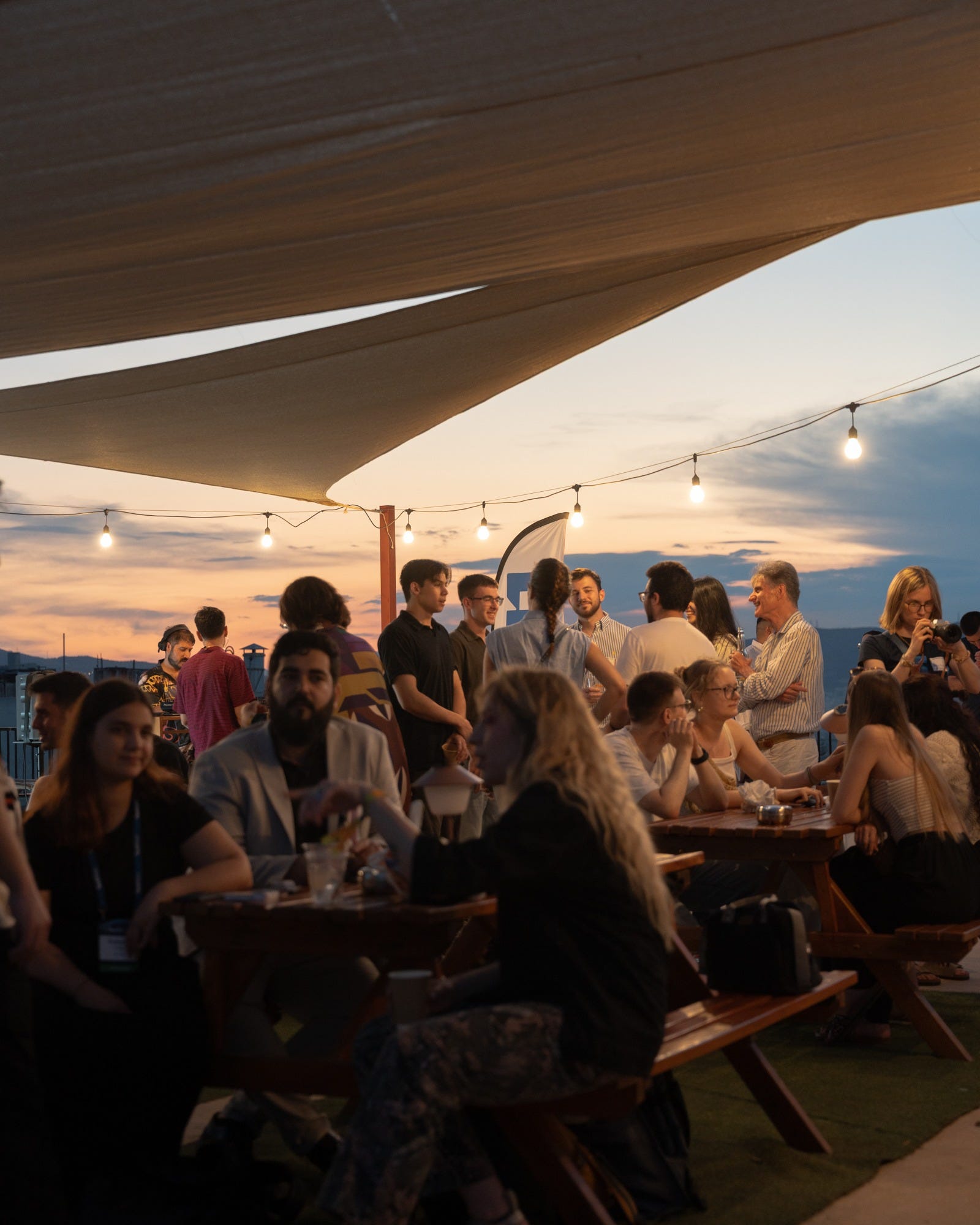
Olga: Workspace is important, and how you feel when you come to the office. At Stone Soup, we want to offer different entry points for everyone to come here: community gatherings, informal conversations, events, and connection with our neighbourhood.
This isn’t just about Stone Soup, but we want to be about our whole neighbourhood. For instance, we recently planned an evening neighbourhood walk – some people would rather a quiet walk than a social setup.
It’s easy for everyone to be isolated, even though you’re in a coworking space, so we’re finding ways to break that pattern. Flexibility is key for connection and communication. For example, we set up a Google group to foster early connections with our members, but transitioned to a newsletter to communicate our news and events more effectively, spotlight individual members and deliver curated value.
We also changed the way we communicated about Stone Soup, exposing more of our rich history and longstanding business relationships, as well as highlighting our diverse member businesses on our website. This ensures we remain a visible, trusted, and adaptable home for our members.
Our members like to know that we have a community manager instead of a receptionist, who we invest in to spend their time thinking about the community.
We hire locally, but we’ve had international community managers in the past, such as one from the UK who’d lived here for eight years and had a good understanding of the language and culture. Expats felt closer to her, as they could relate. A person like that can really work, and have very good results and be a great fit in the community.

5. After more than a decade of running Stone Soup, what do you think people need most from workspaces today?
Olga: Everyone is different, which is a good thing, but it also makes running a coworking space harder. You have to find different categories or patterns of people, and what they’re expecting, what they need, and how those needs change over time.
The same person can join a coworking space for one reason, and stay for completely different reasons. The only way to keep track of what those needs are is by being close to the community: observing, understanding, adapting. I miss things every time I stop observing. You need to devote a lot of time in doing this if you want to understand what people want.
There are some things you can offer to everyone, like the physical space and the first experience. A lot of people that come here say that they feel it’s very personal when they enter the space; it’s not like entering a store where you speak to a receptionist, it’s more like chatting to a coworker or a colleague, who’s interested in what you do and what you need.
From what I’ve noticed, most of the people who come here want a more personalised approach. They want to be able to speak with our core team — Giorgos, Christina and myself — and feel they can come to us if they need something.
It’s a full time job; I’m not going to say that you just tap into everybody’s needs. Sometimes it’s impossible to keep track. But the only way to know about them is by staying close to them, and recognising the patterns. It’s very different for every community.
About People Make Coworking
There are many incredible people who make up the fabric of the global coworking movement. People Make Coworking spotlights coworking space founders and community builders as they share their journeys of how they bring people together.
Edition #34 of People Make Coworking interviews Olga Paraskevopoulou, co-founder of Stone Soup, a coworking space in Athens.
Read more coworking stories and get in touch if you’d like to be featured in this series.