


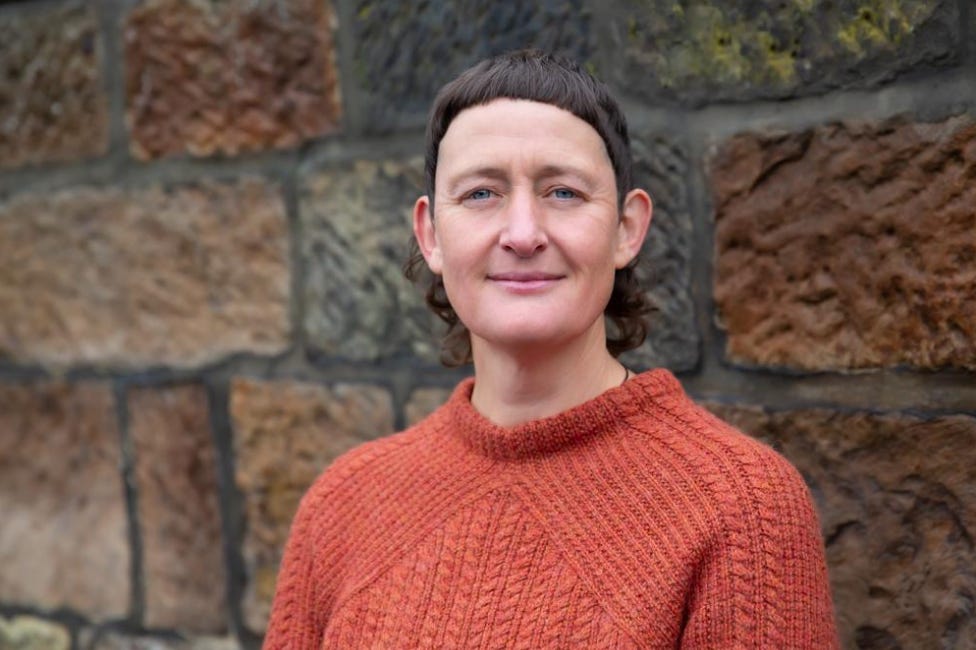
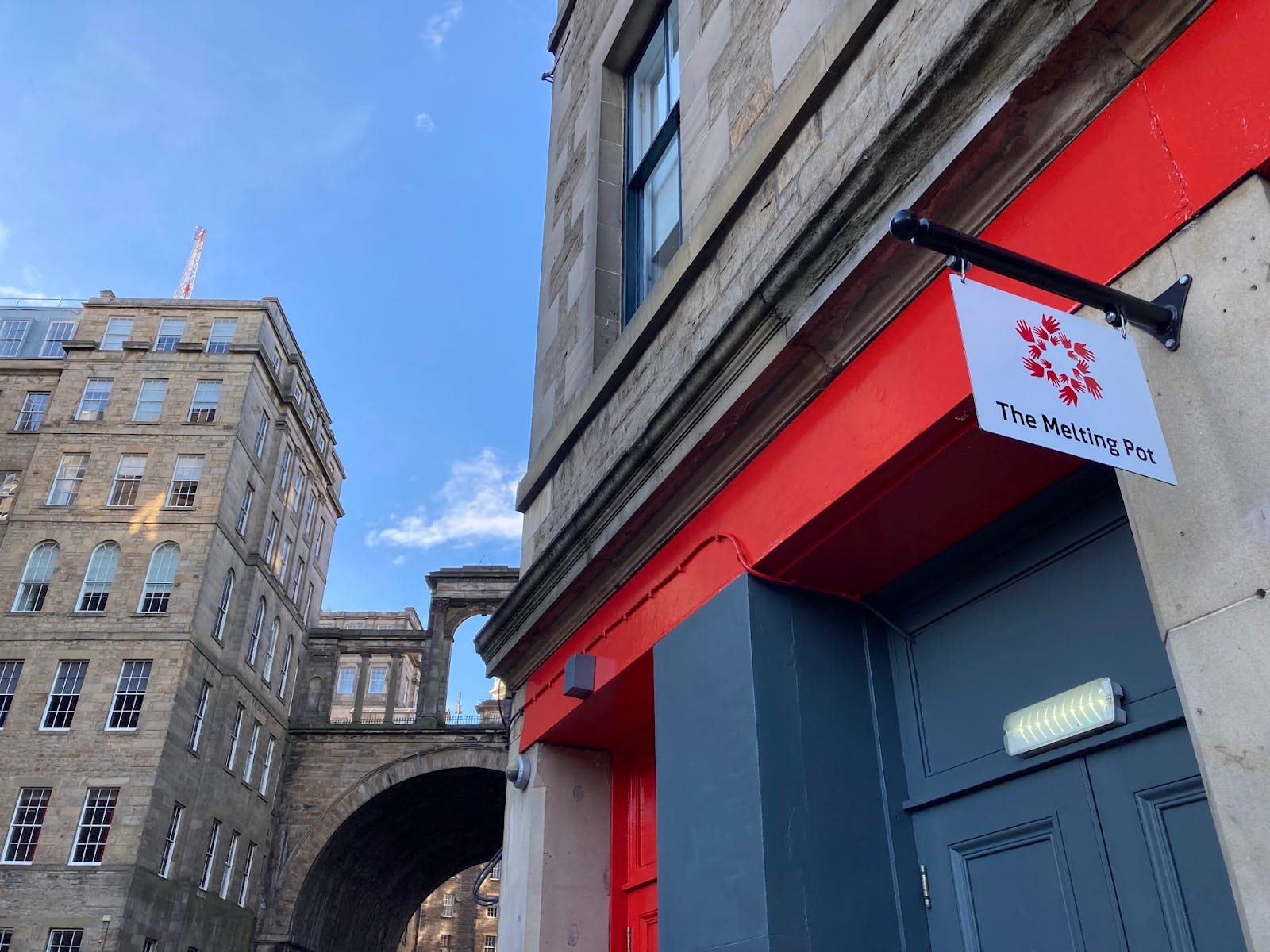
A true catalyst of coworking, connecting hubs for social impact, and creating communities and people making social impact, Claire Carpenter launched one of Europe’s first coworking hubs in Edinburgh back in 2005. The Melting Pot is Scotland’s Centre for Social Innovation.
Over the years, The Melting Pot has developed a range of services to stimulate and support social innovation and Scotland’s social change community. Claire has been at the heart of the coworking movement for twenty years, witnessing its remarkable evolution from humble and sporadic beginnings, through to the model’s wider adoption and mass expansion, first in international cities, before its hybridisation into coliving, then the turmoil and refresh of the COVID years, and currently the mass adoption of hybrid and flexible workspaces.
I admire Claire’s commitment to community and better placemaking, and it was an absolute pleasure to learn about her experiences in co.
1. What key concepts and experiences shaped your idea for one of Europe’s first coworking hubs?
Claire: I grew up with a self-employed and small business mentality. My parents and their parents were self-employed and worked from home, as did many of their friends. I’m quite entrepreneurial, in the sense that I like to make projects happen and develop ideas though I never considered myself an entrepreneur. Whereas now, I realise that entrepreneurship is about activity and mindset, not just because of ‘being in business’.
After taking a gap year to travel the world and visit intentional communities in 2001, I moved to a women’s housing co-op in Edinburgh while doing an Open University Master’s Degree in Human Ecology. I was interested in grassroots community activism, and the course was extremely ‘community’ oriented – a small class, taught in person, bringing together all sorts of people interested in social change to work, learn, and connect together.
My Master’s thesis was on the motivation of eco-social activists. I wanted to know why people got involved in social change, and what would get more people involved. Basically, it’s all ‘behaviour science’ – people get involved in social change when it’s made easier, more compelling, and enticing, and when barriers are removed.
While studying the post-grad course (and afterward), I worked from home - in my bedroom. But, I was getting overly immersed in resurrecting and running the women’s housing co-op I lived in. I thought: ‘If I could just have a place where I could work as and when I needed to, and be around people who I like and share values with and access resources like a printer (because I don’t want to have one in my bedroom anymore), that would be so great!’
Through my different life experiences and values, I understood that when a physical place and community came together, something magical happens. We all need to feel part of a ‘place’ – to be a part of something. A coworking hub is a physical space but it's all about place, a physical destination, and a reason for going and being there. It’s about placemaking.
2. What was your journey of launching The Melting Pot?
Claire: In my professional experience, working in the charitable sector, I recognised that people spent too much money on unfit-for-purpose offices, that were under or over-utilised. It just didn’t make sense. Why wasn’t there a ‘time-share’ model?
My work in the third sector was always in a project development role, where I worked in different localities to develop communities of shared practice.
I could also see that many of my activist peers were isolated, lonely, and struggling to find their place in the world, and to make things happen. They were working part-time with limited resources, in horrible offices – freezing cold, bars on the window, really crap furniture, and IT. This is no way to motivate people who are paid poorly, in insecure jobs, trying to make good things happen for others in society. And it was never anyone’s job to make the place nice, there was never an office manager.
I thought: ‘We could do better for our people than this, and it would help them and our sector do more, be more, be seen more.’
My ‘big idea’ was to bring together a personal and professional network of people working in social change into a single shared and central ‘resource base.’ People would only pay for what they needed (or the amount of time they could afford), but no more – this was seen as revolutionary at the time. And, we could work, learn from each other, connect, have fun, and even do lunch together, etc.
Although I concocted this big idea, and felt it was needed, I didn’t know how to make it happen! Nor did I have the startup capital or any momentum beyond scribbling down ‘concept mind maps.’
I had my eureka moment when I went on a motorbike journey around the south of Spain with a friend in 2003. I suddenly realised: ‘I don’t need to make this big idea happen to stop having to work from home in my bedroom! I could just go and get an office somewhere - and take it from there, even if I had to pay for it.’
Within two weeks of returning from my trip, I received two serendipitous emails – opportunities I grabbed with both hands. One was from SENScot (a brand new organisation helping social entrepreneurs), offering four desks in a room in Edinburgh’s West End. I took them up on that – working alongside and near people who were ‘my people’, and paying rent to someone I didn’t mind paying rent to because they weren’t Edinburgh property sharks!
The other email was from what has become The Impact Hub. They were creating a community of people working in social impact and had just opened a coworking space in Islington where you could buy time. This was a whole new concept and business model – the same one I’d imagined and brainstormed with my friends since my Master's thesis.
I was in London the following month and asked to come and see what they were doing. When I walked into that space I was like: ‘This is my big idea! And if it’s possible in London, then maybe I can do it in Edinburgh!’ I set myself up with some accountability buddies, gave myself six months, and invested time and money to take my ideas forward.
The next two and a half years were an utter slog and a learning curve (before we’d even opened the door!). There was so much to do - and to learn about in that pre-opening stage, including ideation, marketing research, creating a brand, opening a bank account, setting up a company, recruiting volunteers to get the idea going, and so much more!
Opening a coworking hub is a labour of love, especially without money, experience, or influence! But I gave it everything I had.
3. What was The Melting Pot like in its early days?
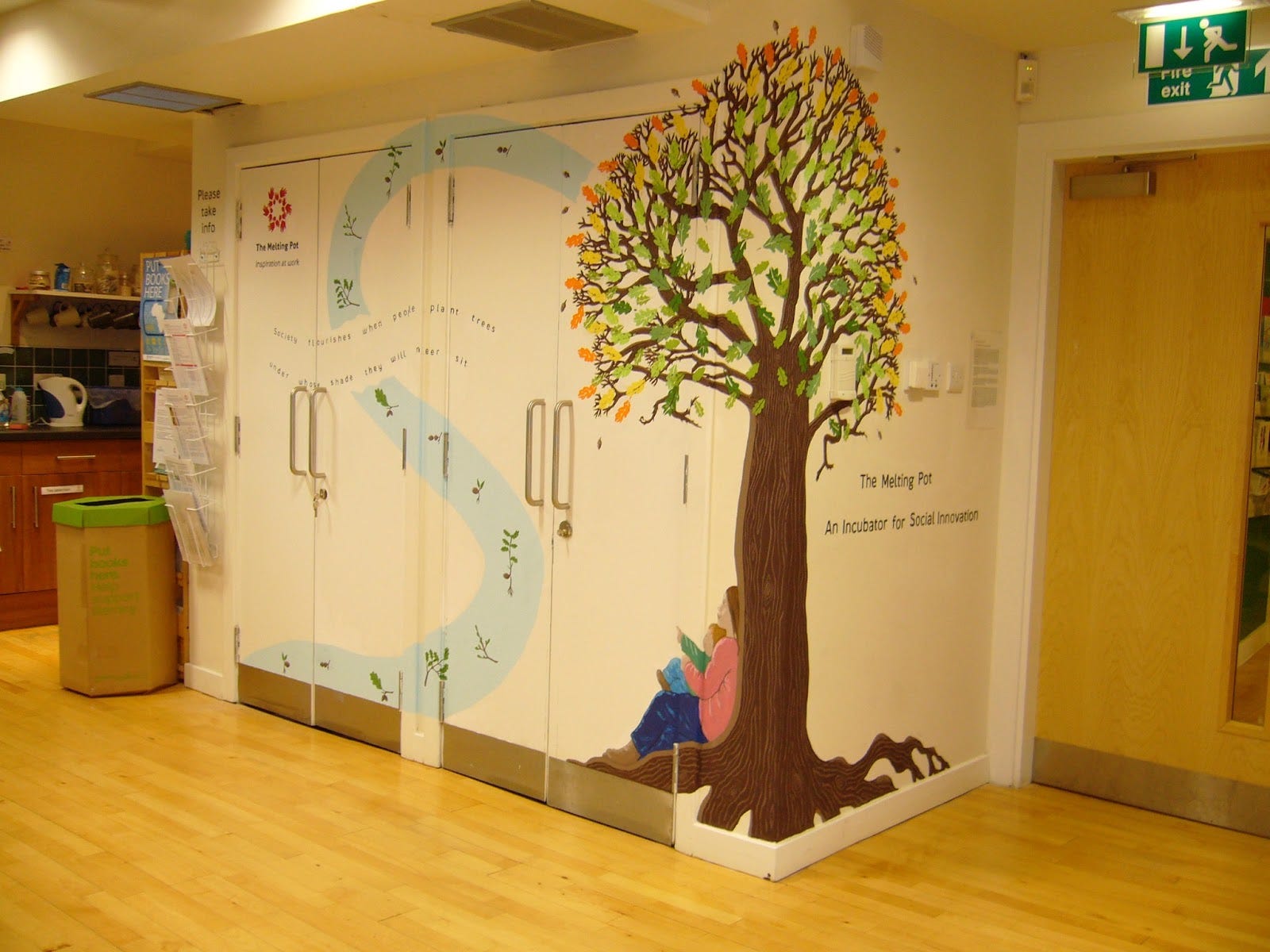
Claire: In its early days, people were just really happy to go to a place where there were lots of other people. It was something very new and different. It’s ridiculous how radical that is now - it’s not long ago.
For instance, if a charity volunteer came in, they’d be welcomed, included, and could still get on with things (even if their ‘volunteer manager’ wasn’t there). It was like going to a ‘clubroom’, somewhere productive and connective, allowing for real variety.
The mission behind Melting Pot was to stimulate and support social innovation — which has always been at the heart of what I do.
We created one of Europe’s first coworking hubs, before launching an early incubation programme (now called ‘Good Ideas’) for people in social change – to help them think about their ideas, test, and develop them.
After that, we helped people launch coworking hubs in their local communities, focussing on rural areas and small towns. They were going through that same startup stage rooted in their community, to create social change through placemaking, coworking, and resources for local communities. This involved repurposing many strange and wonderful buildings - from libraries, prisons, old schools, town halls, department stores, banks - and even some normal office spaces!
4. You’ve had 20 years of experience in coworking. What has the evolution of this movement looked like?
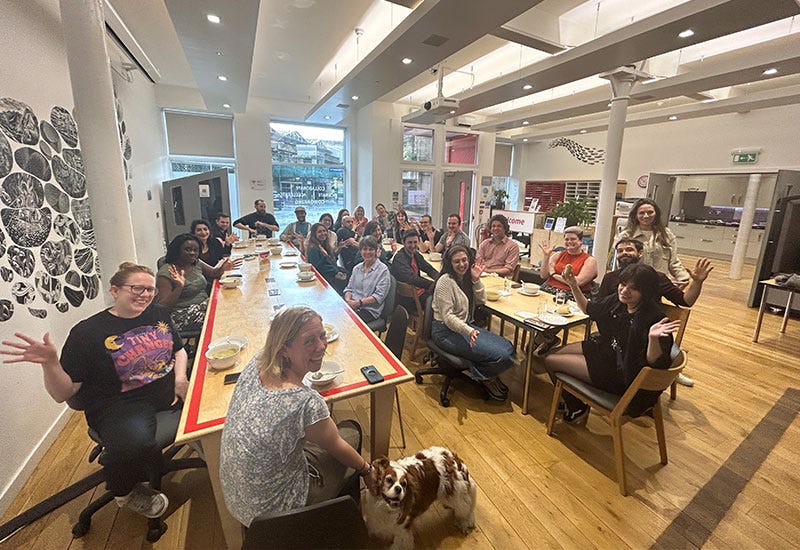
Claire: There’s been a massive transition in the workspace. It began as a place where you went to work for your employer and meet your colleagues, into a whole new concept to attract, retain, and develop your team and company, and make business happen.
Leases tied organisations into a minimum term of 5-10-year lease, no matter their business trajectory. The landlord had all the power and security – and, there wasn’t anything aesthetically interesting about those offices whatsoever (well, not in the sectors I worked in or visited!).
When I opened The Melting Pot in the ’00s, people couldn’t get their heads around the importance of flexibility (saving money), having a workplace as and when you needed it, and being part of a professional community (or place of interest) – all based in one place. I convinced people that ‘buying time and access to community’ was a powerful way of managing resources and supporting themselves and their people.
The coworking pioneers started coming together to learn from each other in the 2010s (initially, there were dispersed independent coworking business owner-managers). A movement started and quickly turned into an industry.
Forums started materialising around 2012-13 (eg. Coworking Europe and Coworking Spain), and different countries created federations. Then the technology began evolving, and Nexudus came along – adding another cost to the coworking space, but it was very much part of defining and accelerating the coworking product. Interest in coworking grew, with serious interest in freelancers and a ‘startup’ boom - but this was predominantly city-based.
Then we witnessed hungrier entrepreneurs and the commercial real estate sector realising they could make money from commercial real estate by offering differently on a bigger scale. Instead of serving one particular community, of either geography of interest (like most indie coworking spaces), they planned to scale to five or ten hubs from the outset. They didn’t realise it was about community and hospitality, not just flexibility. They were still just selling workspace and leases. I genuinely think it took them quite some time to understand that.
Pre-COVID, I helped operators rooted in their communities doing rural coworking as a labour of love, rather than targeting secondary towns. A chicken and egg situation emerged. A town had 30,000 people, mainly white-collar workers who were disappearing off to the cities rather than working near home. Market researchers were trying to find a building but also working out if there was demand.
It’s different in a large city, like London, Manchester, or Birmingham. You can assume there’s passing footfall as people generally don’t have enough space to work from home unless they’re reasonably well off, their children have left home, or they don’t have any. People in the city feel isolated whereas in rural areas, people live in houses with their families, without internet stability, and drive everywhere. It’s a different attraction, strategy, and need.
When COVID came, several rural projects I’d been supporting to get through their ‘pre-opening and start-up’ phase either went bust or were put on hold. If they were opening, they paused (even though people talked about working more locally). It stalled the opening of such spaces, or cut them short because they ran out of financial runway.
Then everyone started working flexibly but those spaces didn’t exist, because they couldn’t get going before COVID, and didn’t plan to scale. A coworking facility requires a certain amount of resources unless it’s on a low hospitality and self-service model.
Like in the development of any industry, its pioneering mavericks set up a movement before it reaches gradual and mass adoption. Then it’s taken over and run by large stable entities that provide such services at scale and diversify offerings, quality, and ownership.
I always encourage people to 'support local' and localism. Invest in your small indie spaces, otherwise the equivalent of 'Starbucks' will be all there is. Coworking will become normalised. I hope there is a stronger distinction and common perception between 'coworking' and flex-work places. They are different. Not all food is created equal, and not all 'flex work offerings' are, either!
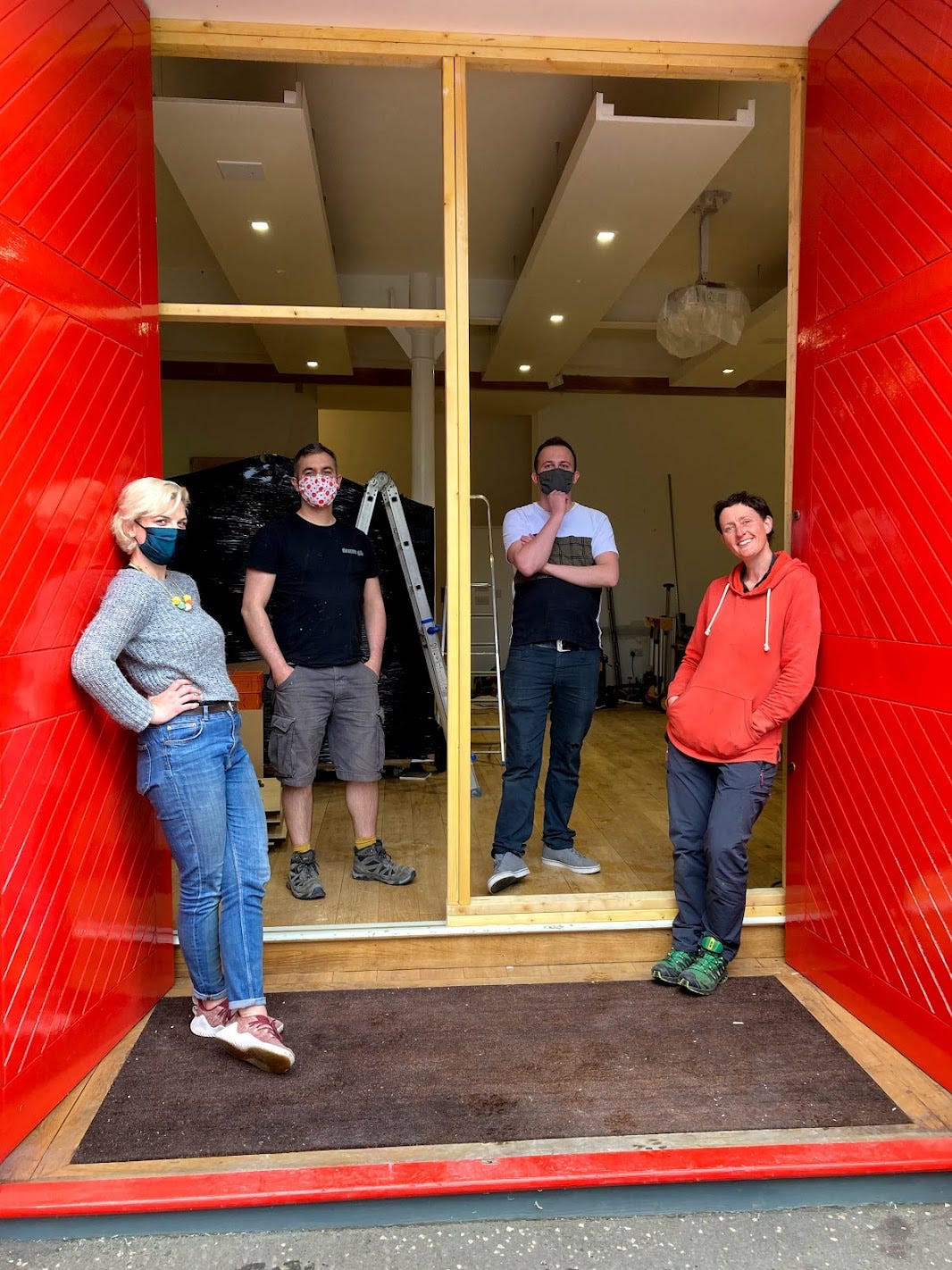
5. What’s your placemaking work been like, and how have you helped organisations capture a community spirit?
Claire: As early as 2012, organisations contacted me asking how The Melting Pot happened. Some were third-sector organisations and development agencies working on regeneration projects boosting the economy, and could see what I’d done. People came to me asking for advice about opening in rural areas.
Smaller hubs generally require a diverse income model – like offering coworking and consultancy (not in coworking). They might have a tourism angle, and offer e-bikes or hostel accommodation. But they need a mixed-income model. They’re not going to open more than one location as they serve a specific community and place, not like the big operators opening in secondary towns under a corporate strategy.
Before COVID, banks wanted to open coworking hubs on their local high streets for a better market share. Post-COVID, like many other industries with ‘near-empty buildings’, they want footfall to justify it being open.
Cities achieve saturation of supply but secondary towns are still an emerging market with room for growth. The authentic and well-run hubs will win out. However, a small operator paying rent differs significantly from a coworking space subsidised by the business model of international banks, hotels, shopping centres, or even local authorities, all utilising their buildings to attract an audience.
I’ve helped people create coworking hubs in libraries, town halls, and schools around Scotland. Someone even wanted to turn train stations into coworking hubs (it didn’t work, but it does in Switzerland where they’re serving their local population, not just trying to make money).
For placemakers, the hardest problem is finding a good enough quality building in a good enough quality location at an affordable price, for a long enough tenure to be worth the effort.
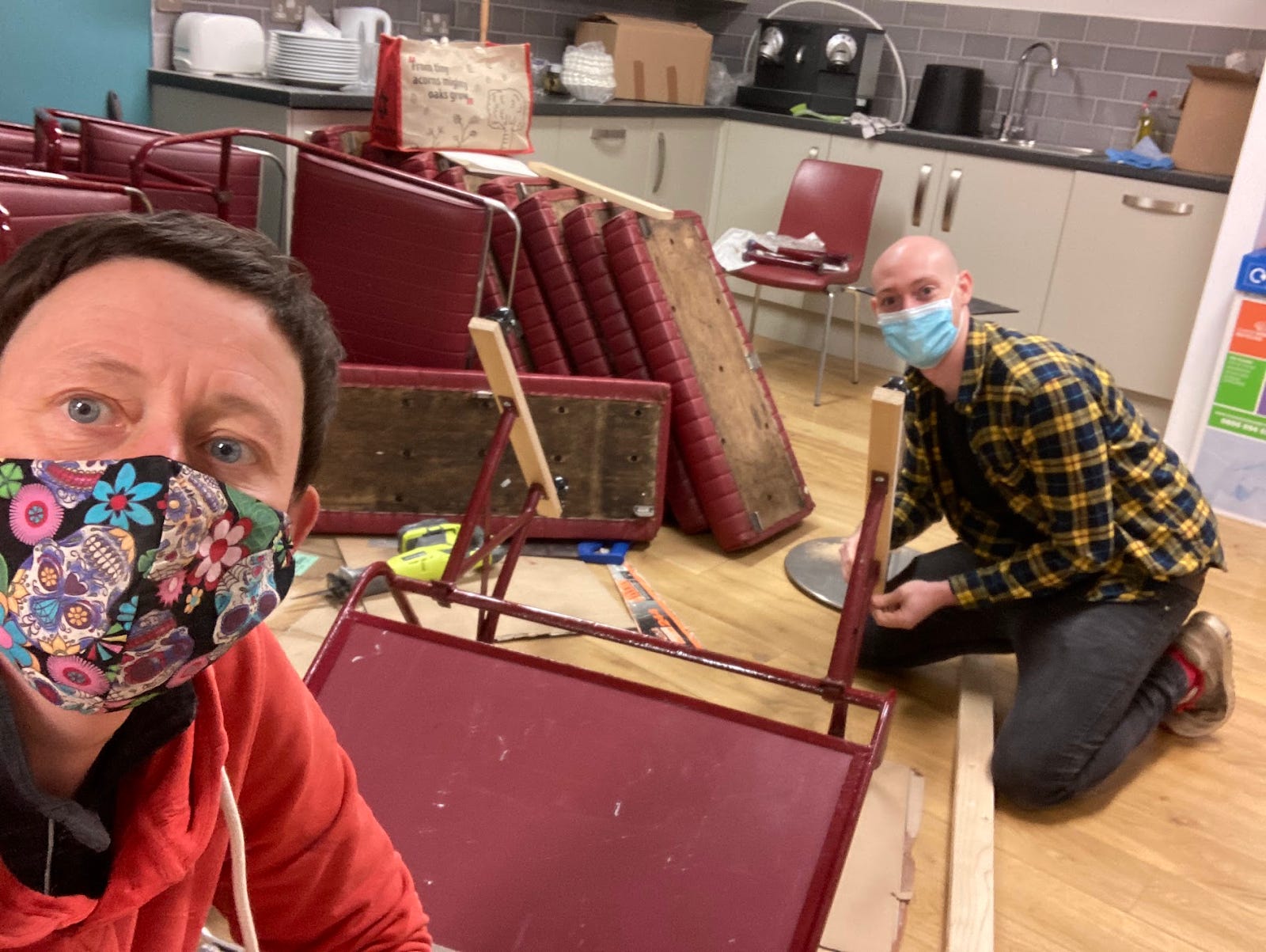
6. What would you like to see more of in the coworking industry, and what could it do better?
Claire: I’m enjoying what I’m seeing – new hubs are emerging…there’s more understanding of why we should build community and place your hub in a professional entrepreneurial ecosystem. It’s not just about beer taps, WIFI, and coffee, it goes much further beyond that.
The sector has diversified, in terms of independent spaces, and big brands. Ireland has joined up a network of hubs, it doesn’t matter if it’s a big hub or council-led – it’s a really interesting model using government resources.
Helping hubs become a solid part of the entrepreneurial support ecosystem would probably make the biggest difference because it serves the end user - the coworker. It helps them access forms of support that the hub can’t provide. Hubs provide them with a desk, heating, WIFI, and nice people to sit next to. It’s not economically viable to offer a business advisor too.
I’d love the public sector and other funded ‘business support organisations’ to collaborate with hubs – to support the users, and the whole ecosystem. They could pay to put their business advisor in their physical locations - not just expect a free space for their business advisors to meet their target audience!
I’ve also seen programmes where local authorities stimulate local placemakers to develop coworking hubs across their region. This was pre-Brexit so I doubt there'd be funding now, but starting a hub from scratch is difficult, and the question remains – ‘How can we learn from each other?’
My advice is don’t try to compete with something that already exists, try to complement it.
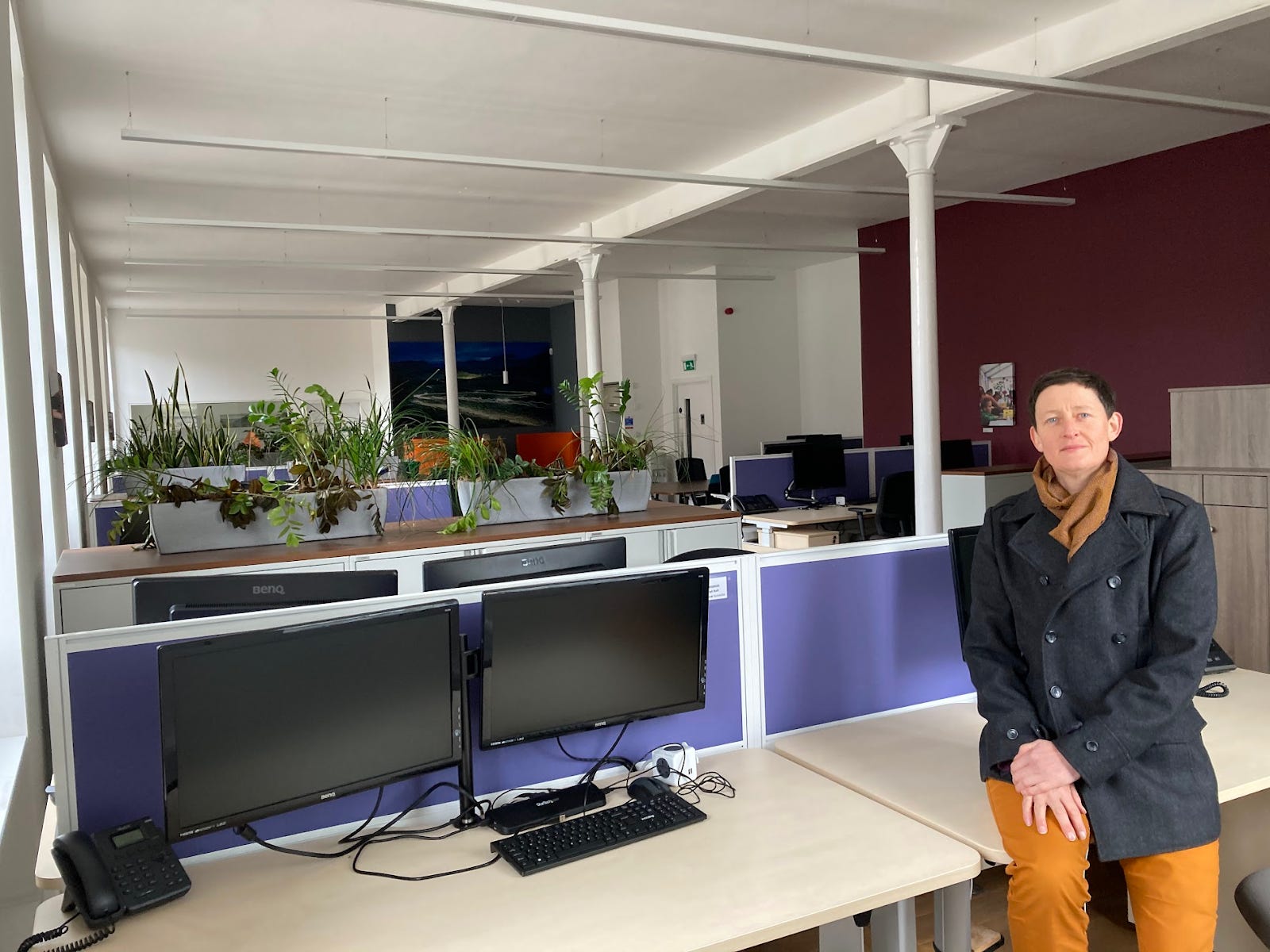
7. You've recently stopped being a ‘Placemaker’ and leading The Melting Pot. What are you doing now?
Claire: I led The Melting Pot and delivered on its strategy for 20 years. COVID took normal business stress to a whole new level. Having ridden the waves of changes, and eventually secured a new building to move into, rescue, and scale up operations, I decided it was time for a better work-life balance. I needed a ‘grey gap year’ or two!
Now, I’m travelling around Europe in a van, rock climbing, and being adventurous. When there’s enough internet - or rain, rest days etc, I work remotely. I’m delivering executive, leadership, and lifestyle coaching to all sorts of people around the world, to help them to identify and live their wildest dreams. I love it - and so do they!
1-1 coaching is the perfect fit for my many years of business experience, perceptive and curious mind, and desire for people to flourish and make an impact. Of course, I can go deeper and offer consultancy services – but no ‘heavy lifting’ for now – I’m no longer a ‘coworking or social impact leader.’ I’m taking a professional breather, evolving into something new, and exploring new places and other placemakers’ creative work. It’s very exciting!
Claire Carpenter Coaching helps people to flourish, and live their wildest dreams! New to coaching? Discover more about what coaching is and how it helps people survive and thrive.
Ready to take the next step, discuss a project, explore a new idea or discuss something else? Book a quick catch-up call (includes various freebie options).
As a coaching client of Claire’s I’ll add to this that she’s helping me to make some amazingly positive decisions for my business. So, not only a huge thank you, Claire, for your incredible wealth of knowledge and insight into this topic, but a big personal thanks from me too!
People Make Coworking is a regular blog post series celebrating the people who make up the fabric of the global coworking movement. If you’d like to share your story in co, I’d love to speak with you for a future feature. Please email lucy@andsoforth.co.uk to get in touch.