


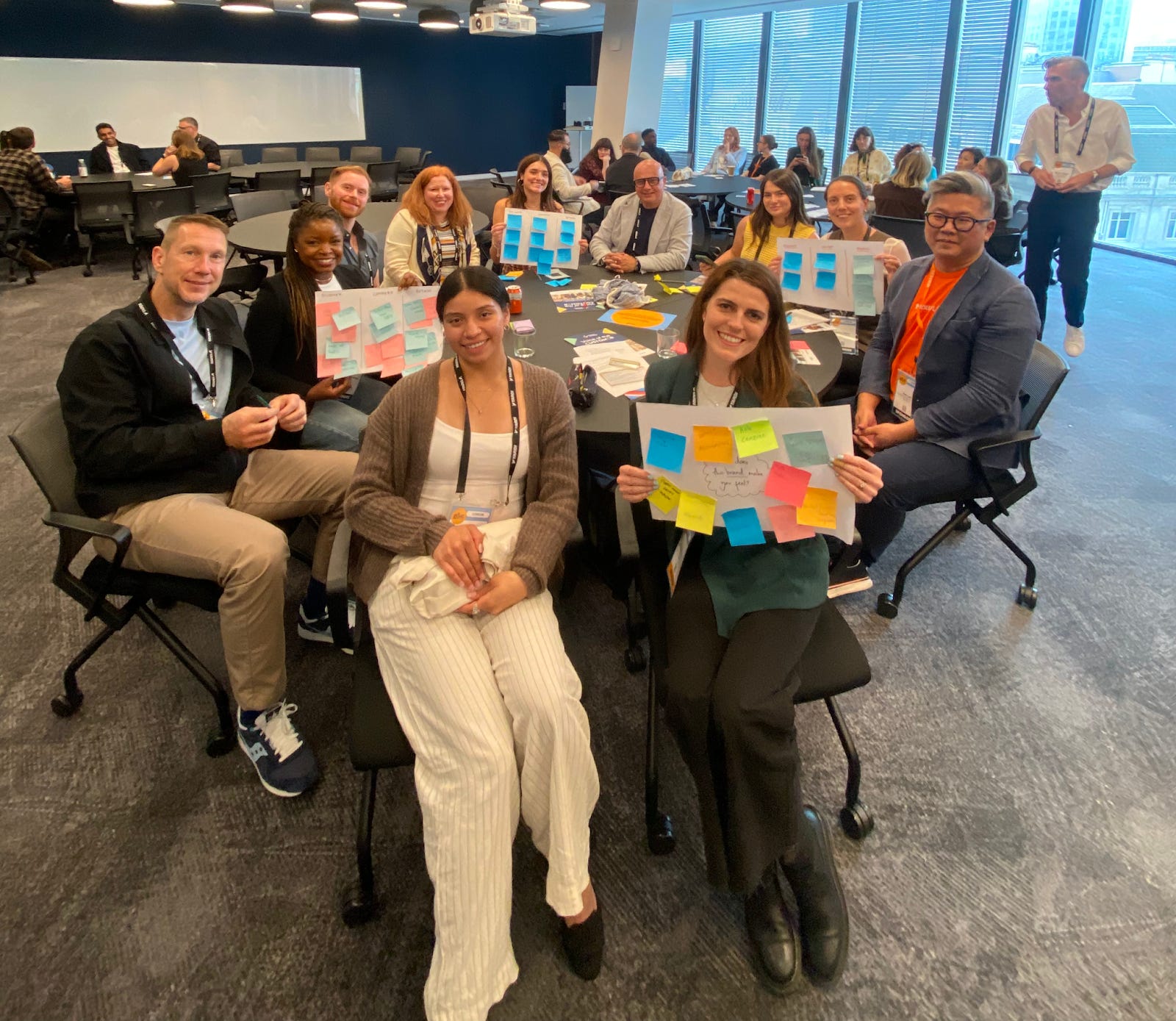
Last week, I was invited to facilitate a content marketing session at GCUC UK in London, connecting with workspace operators and entrepreneurs who are passionate about growing their communities through storytelling and strategy.
Marketing is something that many of us know how to do in practice. But it can often get placed on the back burner for several reasons:
You come up with so many exciting content ideas, but you don’t have time to execute them all on top of running your business (I’m guilty of this, too!).
You feel uncomfortable about putting yourself out there online. Rather than just going for it, you falter on the ‘post’ button and talk yourself out of it.
The perceived value and ROI on marketing isn’t always clear, making you question whether it’s worth doing it, especially if you’ve got other tasks that might seem more important for your business.
For coworking businesses, neglecting content marketing can be the difference between a potential member choosing the first workspace brand that comes to mind – even if it’s not the best fit – and discovering your space instead.
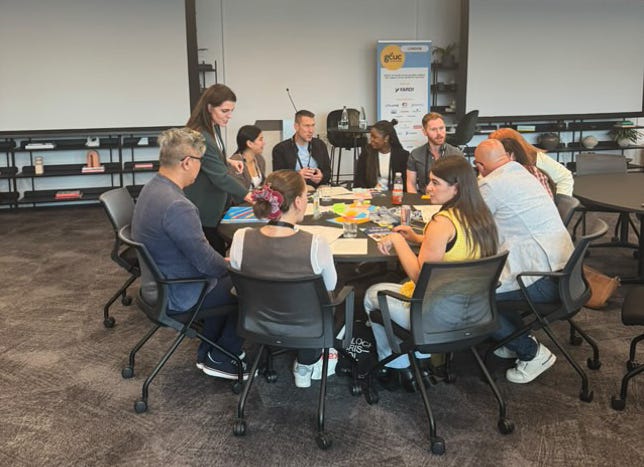
My approach to this session wasn’t a how-to, but to give the group an hour to explore ideas collaboratively, with the hope that the knowledge shared and discussions sowed the seed for their own coworking businesses.
Looking for a content framework for your own space? Scroll down to the end of this piece for three content steps you can implement today.
Connection, emotion, experience
When you walk into your favourite space, how does it make you feel?
This was the first exercise that broke the ice, encouraging the group to think deeply about the emotional link to brands and spaces. We explored this in the context of a space that isn’t related to coworking.
Some of the following answers came up:
A local park → free
Fitness studios → calm, motivated, empowered
Coffee shop → inclusive (this is what I like to hear).
We live in a busy world. If your workspace was the only one in your neighborhood a few years ago, you might now be located close to three or four coworking spaces. One of the big differentiators between your space and the space down the road is how your space makes your community feel.
That’s why we talk a lot about the sense of belonging within coworking communities, because that’s really powerful and can have a profound impact on your members’ lives. But how does that translate to marketing?
Why Projects leads the way with brand experience
When I was planning this workshop, I began pondering who was doing their marketing well. I took to Instagram, scrolling through all my favourite coworking space brands before stopping at Projects in Brighton.
I must have spent about an hour scrolling through reels and posts filled with sandy beaches, blue skies, and cocktails in hand before deciding that I wasn’t, in fact, going to relocate to Brighton, but instead share this example with my group during the workshop.
The emotional connection I felt with Projects’ content is exactly what bridges brand values, emotion, and experience. Through the posts, I got a genuine sense of the culture, community, and vibe at Projects, and I knew it was something worth sharing with the group.
I was then connected with the Brand Manager at Projects, Alana Harris, who kindly shared her time and expertise about their marketing approach. The team has built up an impressive 9,000 followers, with hundreds of likes, comments, saves, and shares on each post.
Alana shared how authentic, people-first content can transform coworking marketing into something that truly connects.

What makes Projects stand apart is that their marketing features people. Many coworking spaces showcase their lovely spaces, but there are no people in the content, which makes you wonder whether there is a vibe at all. We’re a people business, after all.
It’s a flywheel, not a funnel
Projects have nailed their marketing. They know who they’re targeting and create content for them.
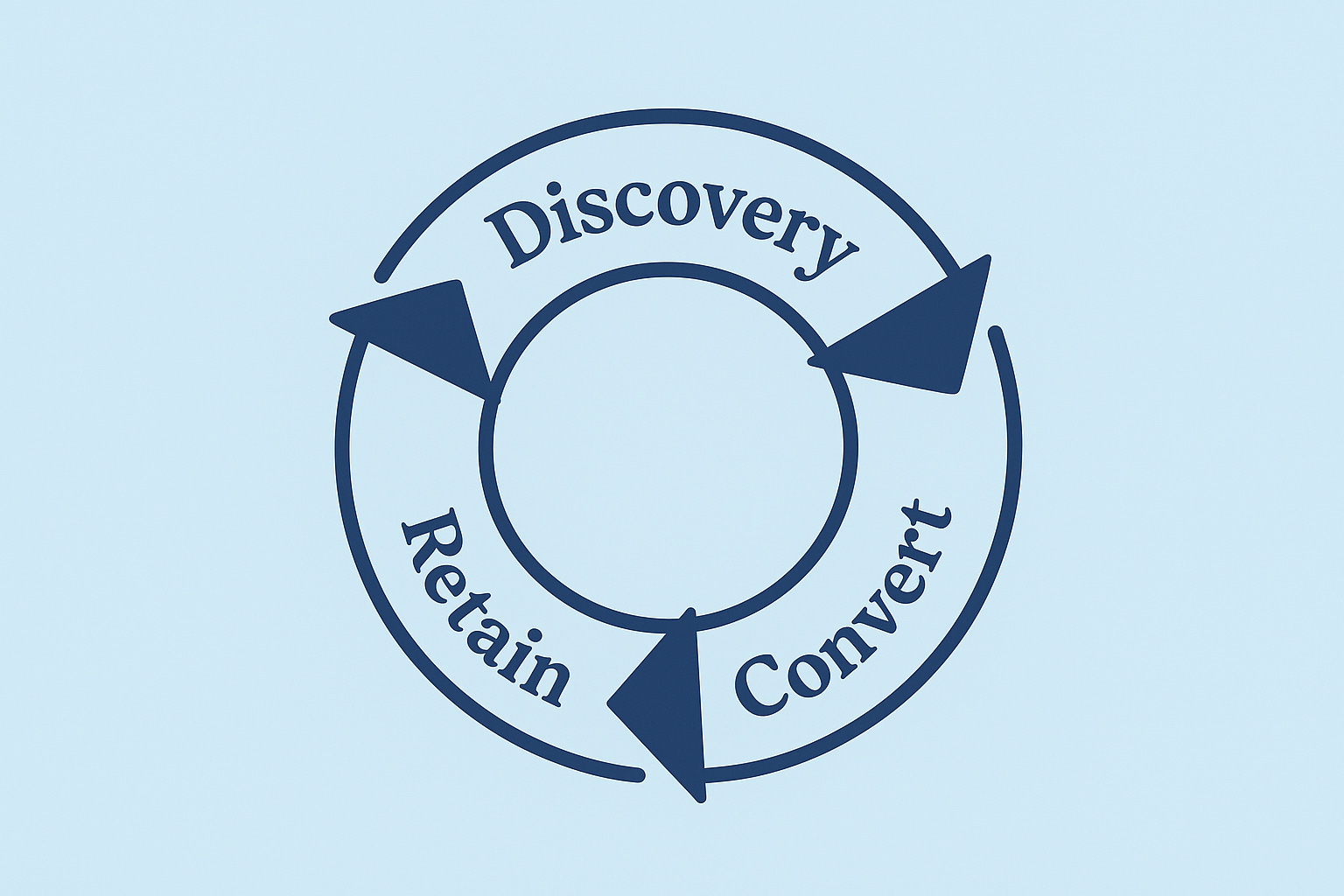
A highly effective marketing framework for this is the flywheel – yes, a flywheel, not a funnel. Unlike traditional marketing funnels, which are largely linear and one-and-done, the flywheel emphasises ongoing, cyclical engagement.
This makes it particularly well-suited to the coworking sector, where nurturing long-term relationships is key.
The three aspects of the flywheel we explored during the session were:
Discover – How people notice your brand
Convert – Turning interest into action
Retain – Keeping members engaged, happy, and sharing
(Optional: Activate stage for community advocacy.)
The scenario
During the workshop, we explored how coworking operators can build stronger, more consistent marketing flywheels from discovery to retention.
To bring the concept to life, I split attendees into three smaller groups and gave each one a unique coworking scenario:
a regional space designed for remote workers,
and two urban hubs catering to solopreneurs and freelancers.
Each group was asked to map out marketing ideas across every stage of the flywheel: Discover → Convert → Retain.
What was most surprising? Despite the different contexts, their ideas were strikingly similar. Whether rural or urban, the core themes of community, connection, and storytelling stood out across the board.
Let’s take a closer look at what they came up with:
Discovering a coworking space
Using community forums, such as Next Door, Reddit, and WhatsApp chats.
Organising in-person events.
Creating a referral scheme via word of mouth or email marketing.

The conversion stage
Sharing the various benefits of the space through content. The regional hub group reflected on their workspace being the better option over a home office, and an affordable space that’s family-friendly. Meanwhile, the urban hub groups felt it was worth mentioning their space’s link to transport connections.
Organising open days. Coworking tours are typically a lead generator for coworking spaces, giving prospects a feel for the space.
Sharing testimonials. All groups came up with this one as it shows proof of concept. One of the urban hub groups mentioned sharing referrals through word of mouth and email.
Retaining your community members
Creating a listening forum and having honest communication that works both ways.
Curating well-rounded member events, from socials to personal development and wellbeing-themed events.
The regional group suggested having a long-term community manager and creating a buddy system for the coworkers.
On a deeper level, retention is about supporting your community in feeling valued, seen, heard, and a sense of belonging. These elements are the difference between a long-term community member and just a customer.
TL;DR: 3 content steps you can implement today to connect
Show your people, not just your space: Post authentic photos or short videos featuring your members and community in action.
Engage consistently across touchpoints: Plan a simple content schedule – sharing tips, testimonials, or events weekly – to keep your brand top of mind.
Capture experience, not just features: Shift messaging from “we offer desks and coffee” → “this is the feeling and connection your members get here.”
Take a Deep Dive Session with me
As for the workshop, there were so many excellent ideas shared. The feedback has been amazing, too, and I want to thank all the engaging people who participated in the workshop.
If you’d like to dive into your content and create a tailored strategy for your coworking space together, get in touch to explore a Deep Dive Session with me.