


Paula Madrid is a licensed clinical and forensic psychologist with a doctoral degree in psychology. She also has a background in interior decoration.
In 2021, Paula founded Blue Panda Office Spaces – a flexible private office rental and virtual office solution in New York City. Blue Panda merges Paula’s values of environmental sustainability with workplace well-being, catering to professionals and businesses who value eco-friendly, supportive, and serene work environments.
Paula and I reconnected on Zoom a couple of weeks ago, where Paula shared her secrets to designing a sustainable and wellness-infused workspace, and how niching down on her target audience has led to growth and exciting expansion plans for Blue Panda Office Spaces.

1. How have your psychology and interior decoration backgrounds influenced your vision for Blue Panda Office Spaces?
Paula: My understanding of how environments impact mood, productivity, and collaboration influences what I do with Blue Panda. I’m mindful of what I create every step of the way, from the perspective of how people gather and come together, and how the work environment can influence that.
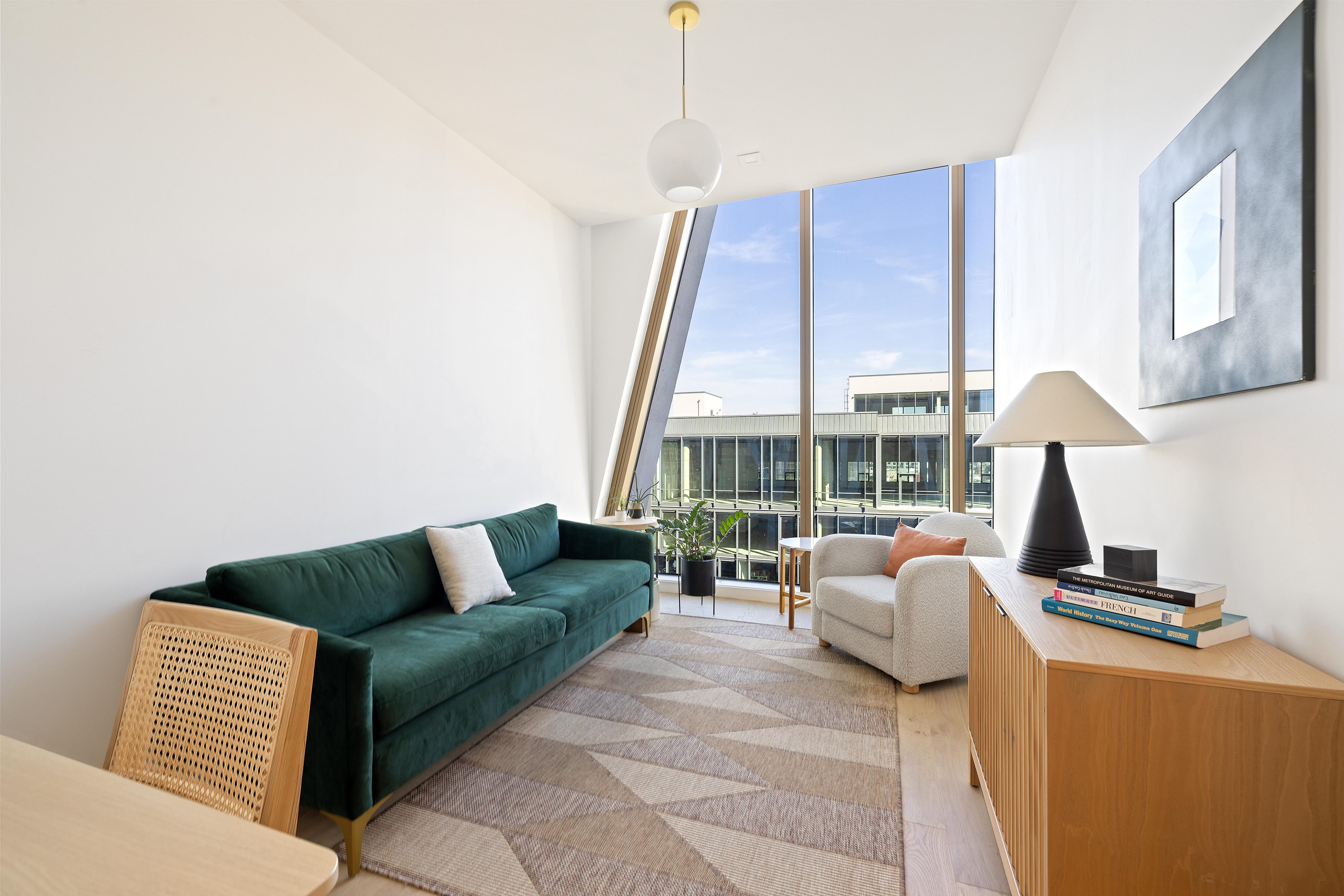
The color schemes, lighting, furniture, and textures set the mood for a serene place. They’re warm and inviting but also feel luxurious. I focus on serenity because it's lacking in some spaces, which feel much more crowded and vibrant. I think that’s wonderful, but it's not necessarily what we do in this space although we accomplish it through our networking efforts.
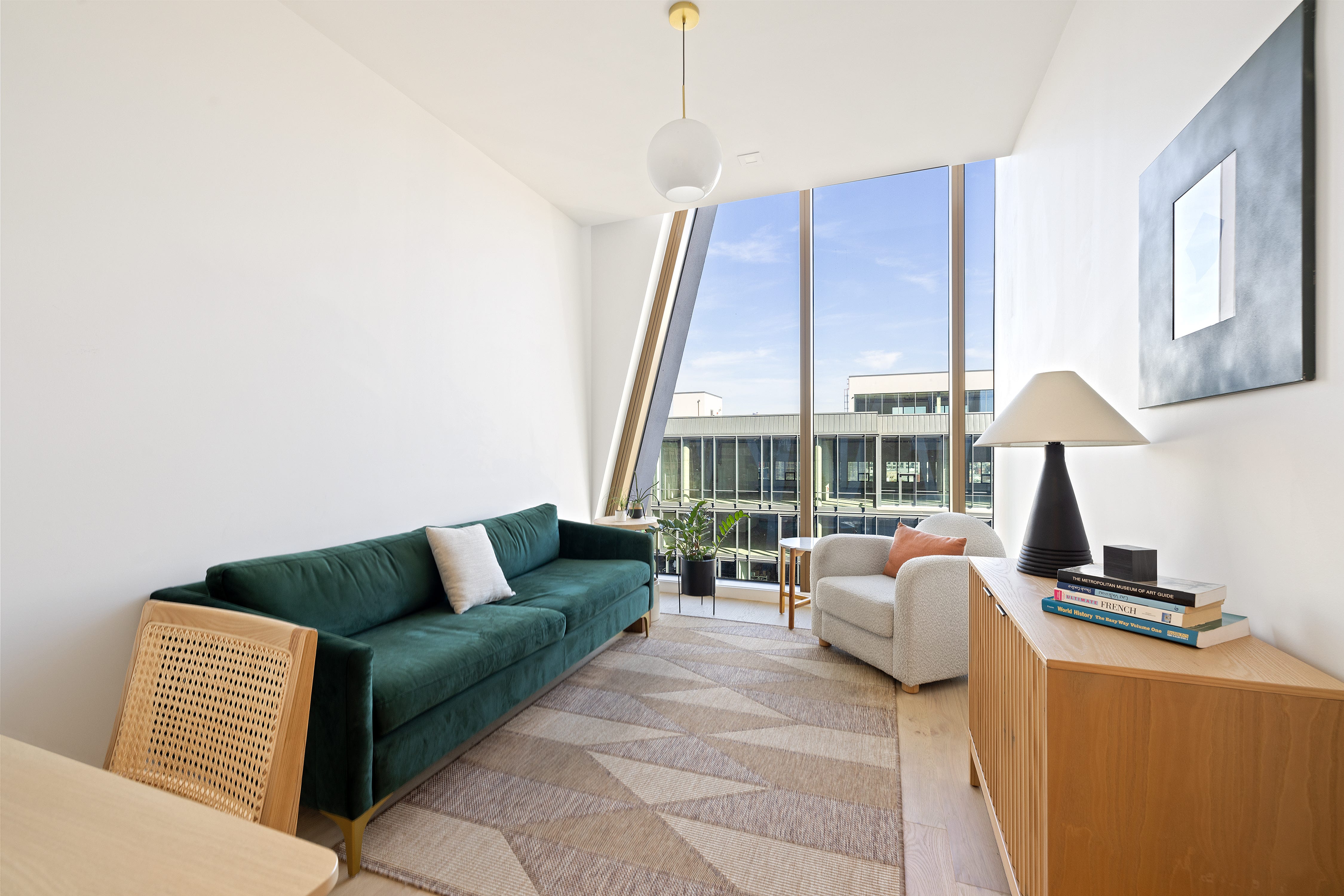
We're located at the William Vale (an iconic luxury hotel in Brooklyn). It’s very modern. So, I make sure that there's congruency in terms of the interior design here, which also has to match the new space I’m about to start the build-out process for.
The new space is a former bank – it’s just beautiful. The exterior is clad in limestone while the interiors have more of an industrial vibe, the ceilings are tin tile, very tall, with some exposed piping and some brick walls.
There are some elements that I keep thinking I need to change, but the spaces have to reflect my personality and style. Green is my favourite colour. I end up bringing green into the offices no matter what, usually with lots of plants. The new space will be mainly green and incorporate biophilic design.
People have to feel comfortable. The workspace also has to reflect what's contemporary and honour the architecture. I’m bootstrapping the entire thing, so it's a challenge. But, I love it!
I find it absolutely amazing when workspaces and hotels create their own scent. I don't have that kind of budget at the moment, but I bought a scent from the Baccarat Hotel so we can put a diffuser on every morning. When people walk in, it’s very light, and everyone loves it.
Everything goes into founding and managing a space like Blue Panda. Of course, it’s a lot as a small business. However, I feel fortunate to have found this second profession, and there are activities I truly enjoy: giving tours, designing it, debating with the other lawyers over points in the lease I don’t agree with.
It’s a constant learning curve, about marketing, running a business, managing staff, finding personal balance, and feeling like I’m doing some or a lot of it wrong or not doing anything, but also seeing the great outcomes, reviews, minimal vacancies, and after all, realising that we must be doing something right.
I recently read Will Guidara’s Unreasonable Hospitality – it blew my mind! It’s so basic and simple, that it’s become almost like a bible for me, and I think: how can I translate it into what I do? One idea was making a big deal out of people’s renewals and anniversaries. Normally, we just ask them if they’d like to renew, but I never thought about this – maybe we can give them a plant because they’ve been with us for a few years.
2. How do you incorporate your values of sustainability into your workspace design and operations?
Paula: Pretty much in all we do, right now, I’ve created the floor plan for the new space, and am making decisions about the design processes – I consider the materials carefully, even where they come from. I have specific recommendations about aspects I want to make sure we consider: how does my contractor treat the people they work with? Do they pay them livable wages?
Sustainability goes beyond eliminating or limiting the use of plastics. We try to be mindful. We worry about sourcing the right materials. For example, making sure no one was harmed or their lives suffered in producing the tiles I'm buying. This can be challenging and time-consuming, but worthwhile.
At a micro level, we should avoid using plastic as much as possible, so we source biodegradable capsules for our sprays and reuse the bottles. The sprays are made with vinegar, and organic substances, that are good for the environment. We educate our housekeepers and avoid them from using harsh, chemical products that are toxic to their lungs. If I can, I don’t want to use any harmful products.
We also use Nespresso coffee pods because you can use the right amount of coffee and recycle the pods. We provide mugs and organic tea in the workspace.
For Valentine’s Day, we’re bringing in chocolate from a wonderful company, Spring & Mulberry, the pioneers in using dates to sweeten their products!
We do use some plastic bags but try to buy mostly compostable ones. The reality is that I don't have access to the plastic bags that will meet our needs, and I suffer through every purchase, to be honest. Things like this really matter to me.
At home, I also try to be consistent, it’s how I’m raising my daughter. I love how upset she gets when she sees people wasting water!
3. Wellness-focused workspaces are gaining attention as a key trend — how have you pioneered this approach?
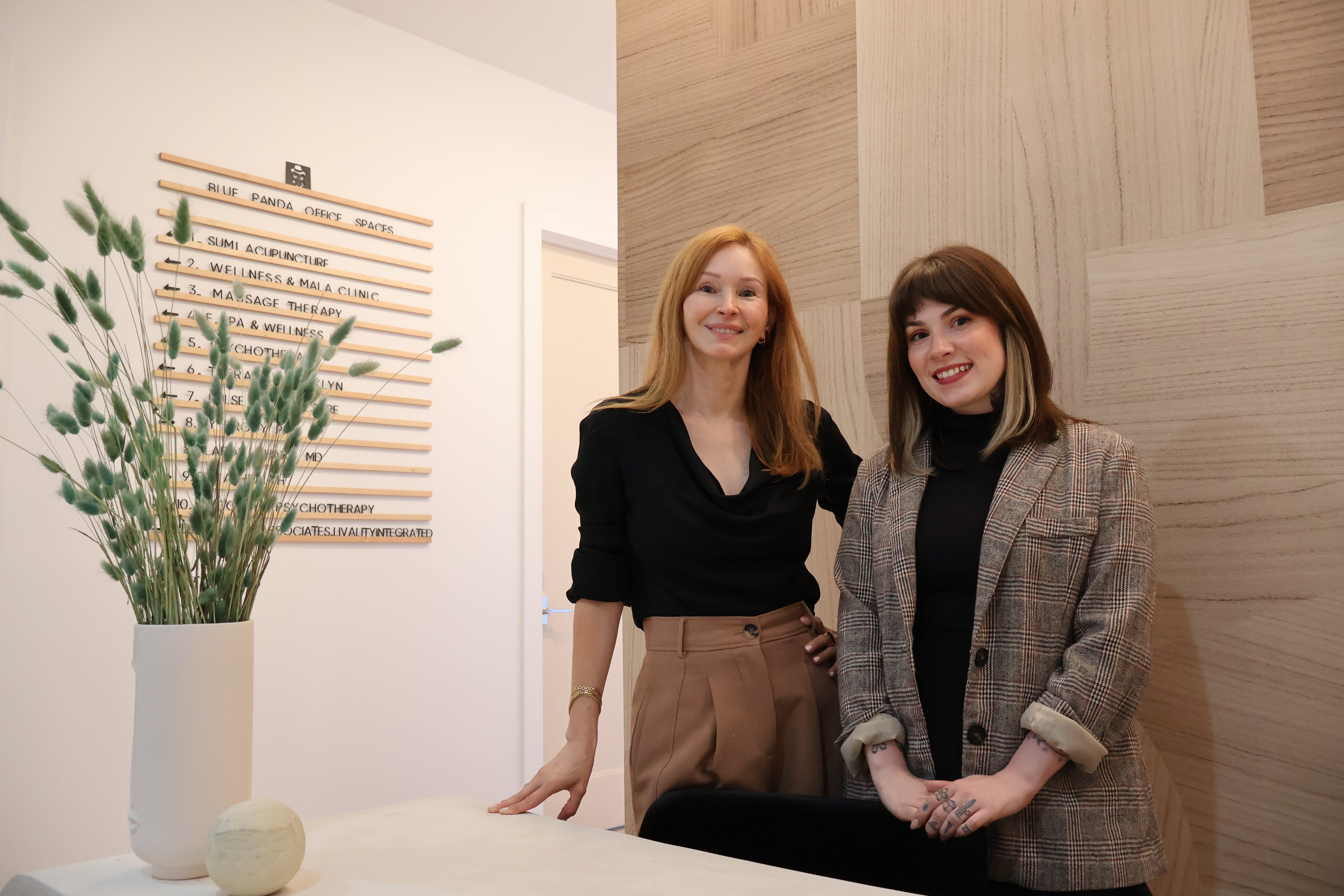
Paula: The majority of my tenants work as mental health professionals, some being top professionals in the city, they are both prescribers and doctoral and master's level practitioners in psychology, social work, and counseling…truly, they’re cream of the crop.
We also have wellness professionals – acupuncturists, massage therapists, celebrity aestheticians, and a renowned reiki and ASMR practitioner. They tend to be the ones who want this serene environment and collaboration. I also have a couple of lawyers, writers, producers, graphic designers, and startups.
I have flex offices. So everyone gets a private office, which they can rent on a full-time basis, or by the hour. There are different offices for different purposes.
Not every office can have windows, just because the layouts are impossible, especially here in New York City. So I wondered – why don't acupuncturists come in? Why can’t a more holistic group of people come and work with one another? It was my vision.
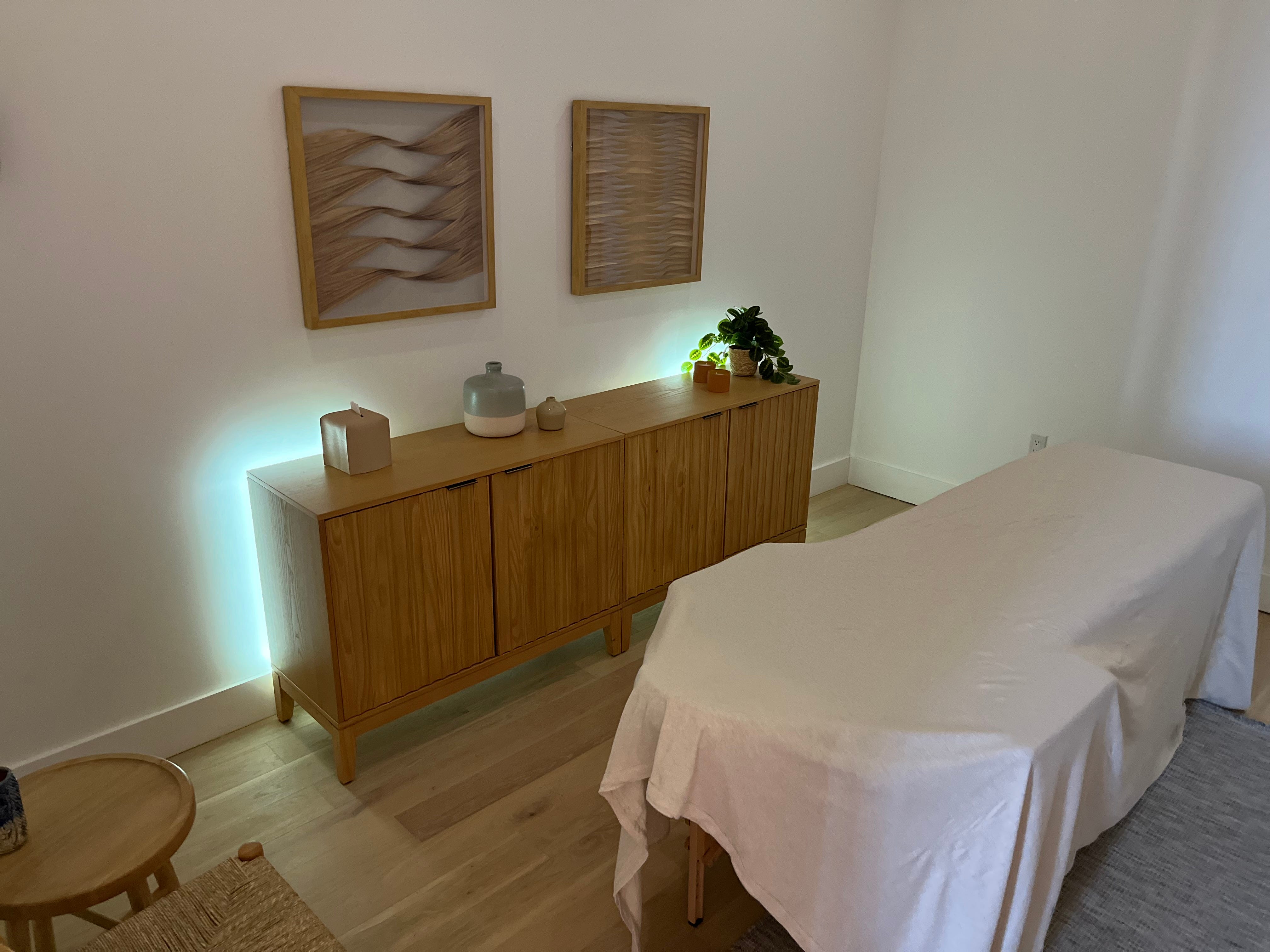
Massage therapists don't always need offices with windows, so I staged one office with a massage table and sent out 3,000 postcards to licensed massage therapists. And the business started. It will also be a part of what we do moving forward – it's exciting.
4. With the rising demand for virtual offices, especially among international startups, how have you positioned Blue Panda to serve this market?
Paula: I've often been very fortunate that things will come my way.
People asked me about a virtual office space or virtual membership, and I just felt like we had to do it. I never say no to business, so I created that for them. Then I didn’t have more office space for everyone, and I didn’t have any vacancies – it was a good problem to have so I focused on the virtual offices and it’s been well received.
The process of getting more space can be lengthy, in terms of finding the right space location and signing leases. I thought: what do I do in the meantime? That's when I decided to grow the virtual office part of the business.
There's this understanding that if you have a business with a New York presence, you look like a more put-together business, and you actually are because you can operate here on our hourly and daily rates.
I'm happy to report that it gained lots of momentum in Spain. In 2024, I spent a little time in Madrid and networked with small companies and startups looking for a presence in the United States. The different kinds of model offices and virtual membership have also been very popular in Portugal, and South America. I feel like I need to go back and share what we're doing.
Since April last year, our virtual memberships have grown by 300% within the US. Within New York, someone is signing a new lease with us at least every week.
These are New Yorkers who typically have a mental health practice. In fact, the law requires psychiatrists, and nurse practitioners, to not just have a business address, but an address where they can actually see patients. It has to be very specific, and basically compliant with the DEA. Our spaces meet all the criteria, and I’m creating systems to meet the demand.
5. What defines the Blue Panda community, and how do you bring members together?
Paula: What's interesting is that there are so many different ways of coming together. The first layer you'll see is a tenant (perhaps they’re a psychotherapist) getting a massage after she's finished with her patients.
Similarly, clients who come in will also get a facial or acupuncture from another practitioner. I’ve noticed that some of the acupuncturists offer quick, 10-minute treatments to other professionals who may have back or shoulder pain. I’m fortunate enough to have received lots of complementary treatments myself, by top professionals in their respective fields. Blue Panda has turned out to be better than I envisioned it, for sure!
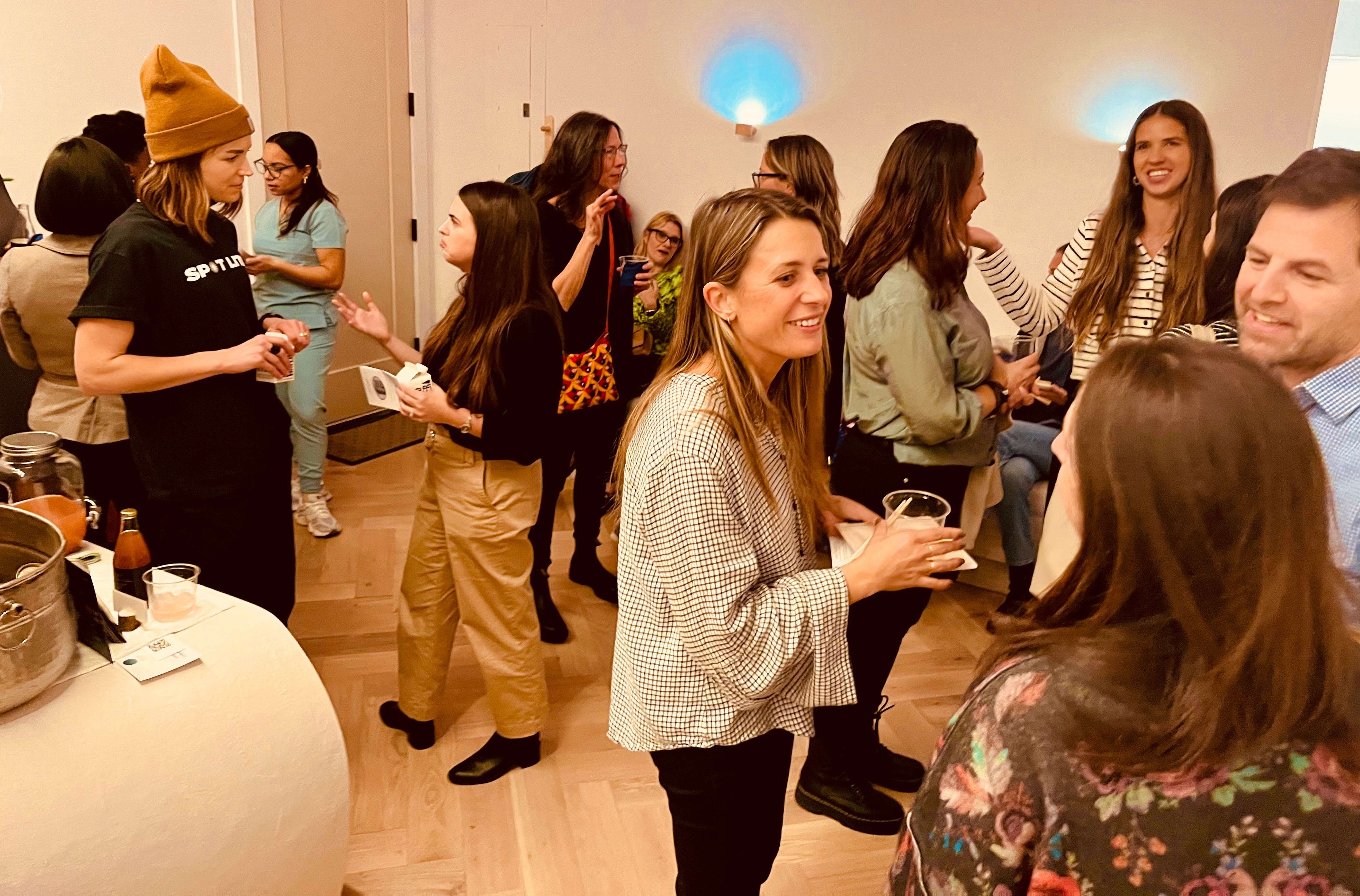
The other level is that I organise networking events maybe twice or three times a year. We had one last December – Blue Pandas’ Annual Holiday Networking. There was lots of food and fun, I'll always invite my friends, and some other professionals so that there's a greater kind of mix. It really works, resulting in friendships and collaborations.
We have various locations within Williamsburg and one in Greenpoint, but our headquarters is at the amazing William Vale Hotel on its 7th floor. Out of over 120,000 hotels in NYC, it was named #25 (which is a big deal). In 2022, Travel + Leisure's readers ranked The William Vale as the 14th best city hotel in the continental United States. Our tenants receive special perks and exclusive discounts at the hotel and in many other local shops and restaurants in the area.
Our tenant's programme includes discounts on acupuncture, massage, and even fancy facials. You can see them going to lunch together. We ran a survey recently and found that our tenants love going to the places where they can get a 10 - 20% discount so we’re always adding to our list of places.
I still do forensic work, and my tenants often want to know more about it. Once every few months, I’ll meet with someone as a mentor. I'll introduce the person to someone in the field, refer patients to them, or refer them to a resource that I think might be relevant.
In terms of my involvement in psychology, I’m still a geek – I’m up to date with the literature, participate in expert panels, and read lots of books because psychology is a true passion. I will say though, that I’m winding down my practice, so I refer patients to our tenants, except the ones I must take on because it’s a challenging or fascinating forensic case.
In our space, we have these beautiful people who care about one another, the community, people, the plant, and many shared ways of thinking about wellness. Our tenants are fun, kind, brilliant, and fascinating – it's lovely.
I really care about this idea of bringing people together not just at work but in my home life too. That’s one of the reasons Blue Panda exists.
About People Make Coworking
Celebrating the people who make up the fabric of the global coworking movement, People Make Coworking is an interview series where coworking founders share their journeys of building communities and workspaces.
If you’d like to share your story in ‘co’, please get in touch. I’d love to speak with you for a future feature.
Some links in this newsletter are affiliate links. If you buy through them, I may earn a small commission — at no extra cost to you. It helps support my work and independent bookstores. Thank you!