


When I moved to London three and a half years ago, I was ready to join a coworking space to meet new people and settle into a productive routine. I wasn’t sure where to start, but as luck would have it, I went to an event at a workspace near Shoreditch, and knew almost instantly that I wanted to join that space.
The following week, I booked a tour. I was completely taken in by the beautiful design, the little patch of green space, and even the scent from their diffusers. At the end of the tour, the community manager promised to send over a contract.
But days passed with no response. I wondered whether they wanted me in their community after all, and after a few hesitations, decided to follow up to get signed up.
On my first day in the space, the atmosphere couldn’t have been more different from the event. The coworking area was silent. I didn’t meet a single person. “Not to worry,” I told myself. “There’s still time.”
A week later, the space hosted a members’ brunch. I had to go, not only because I love eggs and avocado, but because I thought it would be the perfect chance to meet people.
I was wrong. The food was beautifully laid out on the shared kitchen table, but one by one, members filled their plates and returned to their desks to eat alone. It wasn’t the social brunch I’d imagined.
Although I chatted to the occasional member, going to the space began to feel like hard work. I went less and less, and eventually, I stopped altogether.
During that period, I tried a different coworking space across Shoreditch. It didn’t have the same wow factor in terms of design, but the community manager was incredibly welcoming and friendly, introducing me to all the members. On my very first day, I spoke to more people than I had in three weeks at the previous space.
I was cautious, though. I didn’t want to switch workspaces based on one good day. So I booked another trial, and again, had a great experience. That was enough for me. I cancelled my first membership and joined the second space, staying there for the next two years.
So what exactly made me leave the first space and stay in the second? Let’s dig in.
The “Welcome Phase” in coworking
In a recent LinkedIn post, coworking expert Cat Johnson explains how crucial the first few days are for new members. Get them wrong and you risk churn – something no operator wants.
What really caught my attention, though, was a comment from Workbar’s Sarah Travers. She wrote:
“If you can keep them past 90 days, your chances of keeping them for 18+ months increases by 75%. We call the first 90 days their ‘welcome phase’ because we know they are not getting the most value out of their membership during that time as they learn how to engage and be productive.”
Those 90 days perfectly reflect my own experience:
Space One: A confusing tour, no onboarding, no guidance, and no one helping me integrate in the first few weeks.
Space Two: A trial day that included a tour, no official onboarding - but an active introduction to members. Constant check-ins from the community manager over my first few days.
I didn’t last 90 days in the first space. I stayed two years in the second.
That coworking space was genuinely awesome, and I felt like I belonged. But being part of the community took effort: showing up most days, chatting, and joining after-work hangouts, which is where our bonds formed.
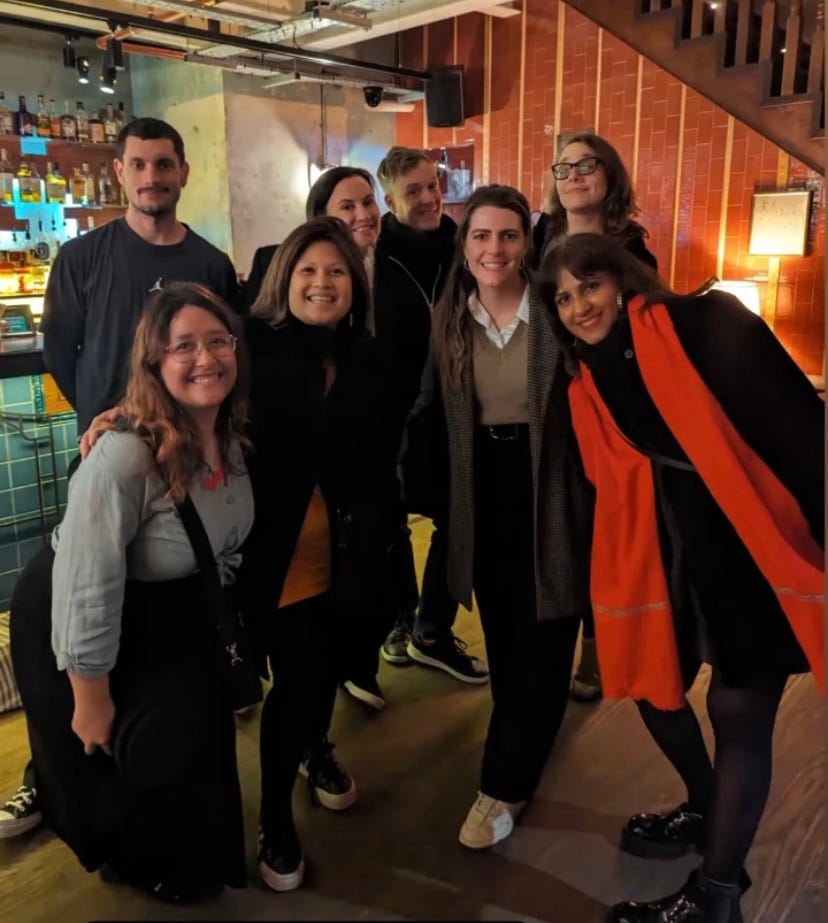
I never forced myself into the community; it grew naturally over a period of two years, through a combination of right time, right place, right people. It’s only looking back now that I realise how powerful that is.
The space eventually closed last year, and I planned to find a workspace closer to my new home in Greenwich. That was last August, and I’m ashamed to say I still haven’t joined another coworking space.

Inclusivity in coworking
Earlier this week, I opened up to Bernie Mitchell on his Coworking Values podcast that I’m no longer part of a coworking community. We talked about the factors that make people stay, walk away, or not come in at all!

Bernie shared a story about his coworking experiences in Vigo, where he now lives. He joined an awesome coworking space near his son’s school, but now that his son walks on his own or with his mates (he’s too cool for you, Bernie!), the commute to that space is no longer necessary.
Likewise, when our coworking community decided to look for another space, there was no other space or location that the entire group was prepared to commute to, and we all lived quite spread out across the city.
To be honest with you, I don’t really need to go to Shoreditch anymore. My work is now taking me all over the city and beyond, and I’ve built networks with the people I’ve met over the last few years, who are based in various parts of London.
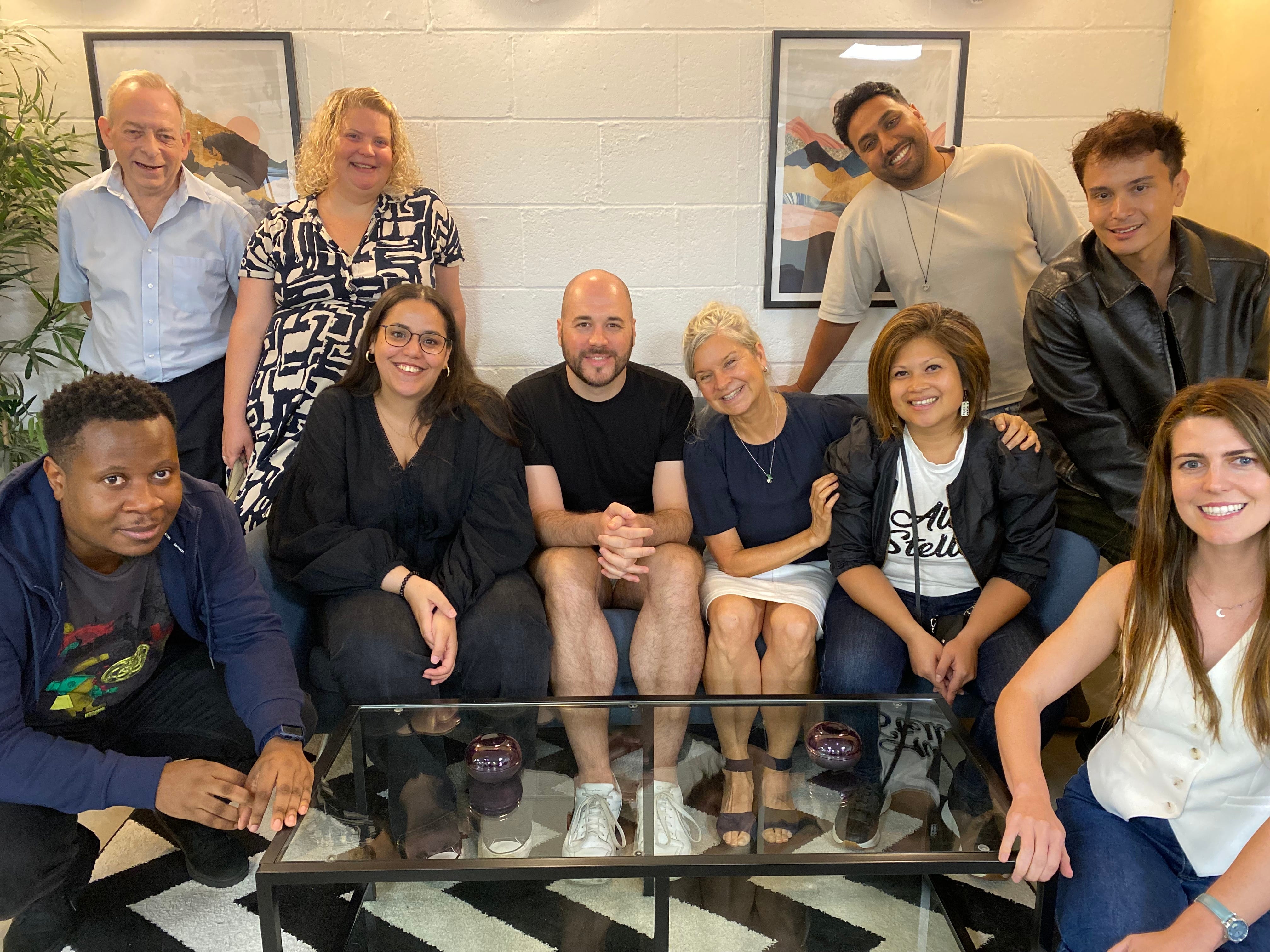
I enjoy the freedom to move around, but the hardest part of losing the coworking space was the reality that we’d never all cowork together again.
My next move is to join a space much closer to home, somewhere I can walk to and integrate better into my local community.
The thing is, I’ve been saying this for a year now! I’ve seen a lovely space about a 30-minute walk away. But…here’s the problem. Now it’s winter, I’d have to walk home across Blackheath Common in the dark, and that doesn’t sit well with me.
Bernie mentioned it’s something he never even thinks about, and sadly, that’s true for many women and vulnerable people. We have to consider our safety.
What keeps members coming back?
Aside from the commute, many other factors must align for me to fully commit to a new coworking space. I’m more particular about people, workspace design, lighting, and coffee than I was three years ago.
Finding the right coworking space is like house hunting…you won’t always get a place with a dishwasher. So yes, I probably need to compromise somewhere.
Looking back at my experiences, there are a few things that really seem to make a difference in whether I feel at home in a coworking space:
The first 90 days do matter. Spaces where I felt welcomed, introduced to members, and checked in on during those first few weeks made it much easier to settle in.
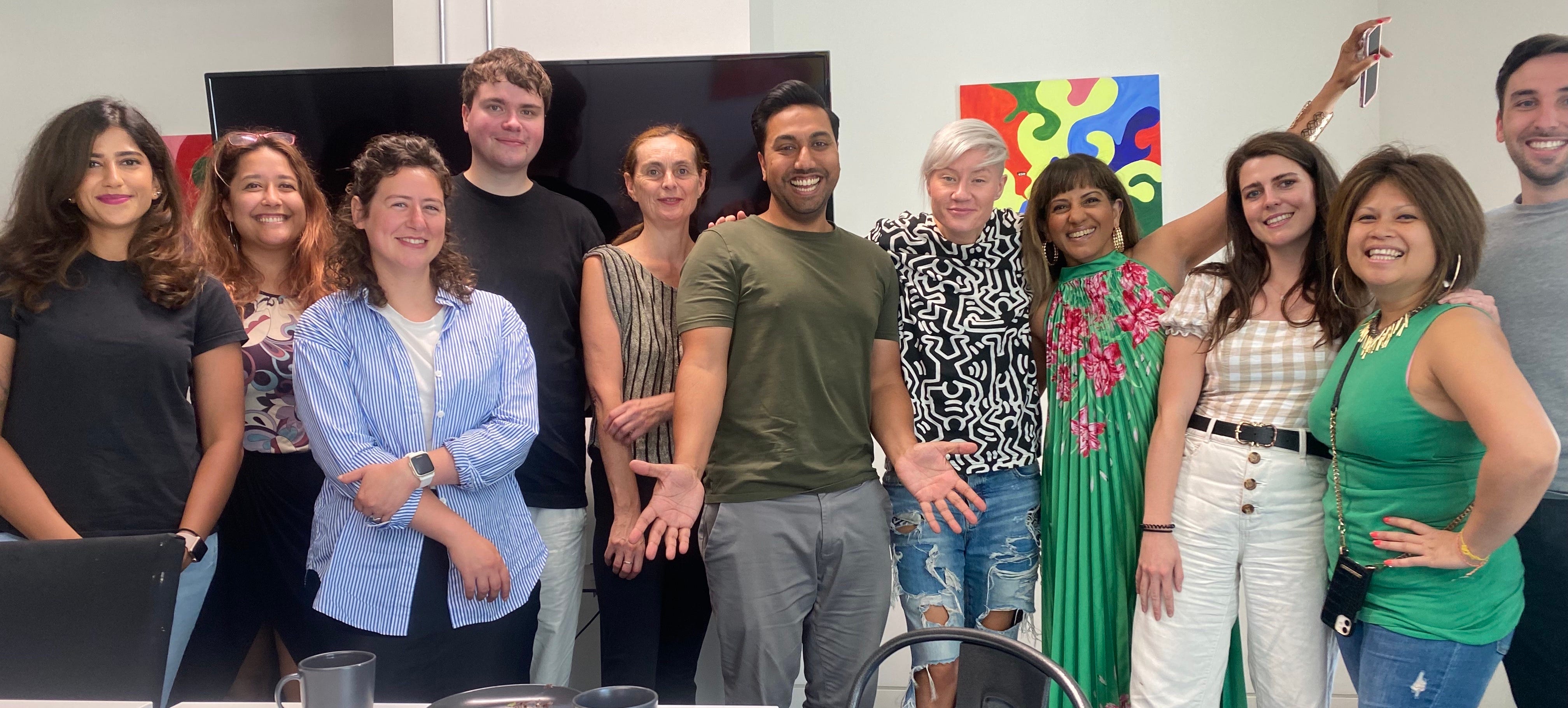
Social moments make or break the vibe. Brunches or shared meals only work if people feel encouraged to connect, rather than retreat to their desks. Small touches like shared tables, informal icebreakers, go a long way. (The first picture in the newsletter was taken when we organised a cake and coffee morning. We started the session by introducing ourselves and having a general chat about the projects we were working on.)
Every day comfort counts. Design, lighting, ergonomics, and even good coffee are surprisingly important. It’s not about wow factor; it’s about what makes us want to show up day after day.
Community culture shows itself early. Even if there’s no formal onboarding, the way members and managers interact signals whether a space is welcoming. Feeling seen and included matters.
Safety and inclusivity are real considerations. For some of us, things like commuting in the dark or feeling secure in a space are part of the decision to join or stay.
I’ve realised that it’s a mix of right timing, right people, and small but meaningful details that make a coworking space feel like a home away from home.
When the time and place feel right
I’m still on the hunt for a new workspace, and I promise that when I find one I feel confident about, you’ll be the first to know.
My conversation with Bernie helped me reflect on why I haven’t joined a new coworking space yet: I’m waiting for a place that feels truly right.
When I find it, I’ll be there - and I’ll make it my mission to be fully present in the community.
Have a great weekend,
Lucy