


It’s been ages since I spent a whole day in a coworking space. So when I arranged to meet a few freelance friends at a workspace near Shoreditch, I was genuinely looking forward to the connection and focus a coworking day can bring.
I’d visited our chosen workspace before and had admired the recently redesigned entrance lobby, filled with house plants, artwork, and a large window casting a lovely glow over the space. However, the space we were allocated for our coworking day was a completely different story: white walls, ubiquitous office furniture, and no windows.
Instead of enjoying the glow of daylight, the light source came from ceiling panels with an intensely harsh glare, making the space appear stark, almost clinical. It was disappointing, but I persevered with my workday. That was until the familiar sensation of an oncoming migraine started about thirty minutes later. I knew it was game over.
Why is lighting so important?
Usually, I can overlook uninspiring workspace design features like white walls and grey carpets, for the greater benefits of coworking. Sadly, I can’t look beyond harsh, white lighting. Not because I’m fussy about design, but because it genuinely causes me to feel unwell, and I won’t have a productive workday. So, I have to leave.
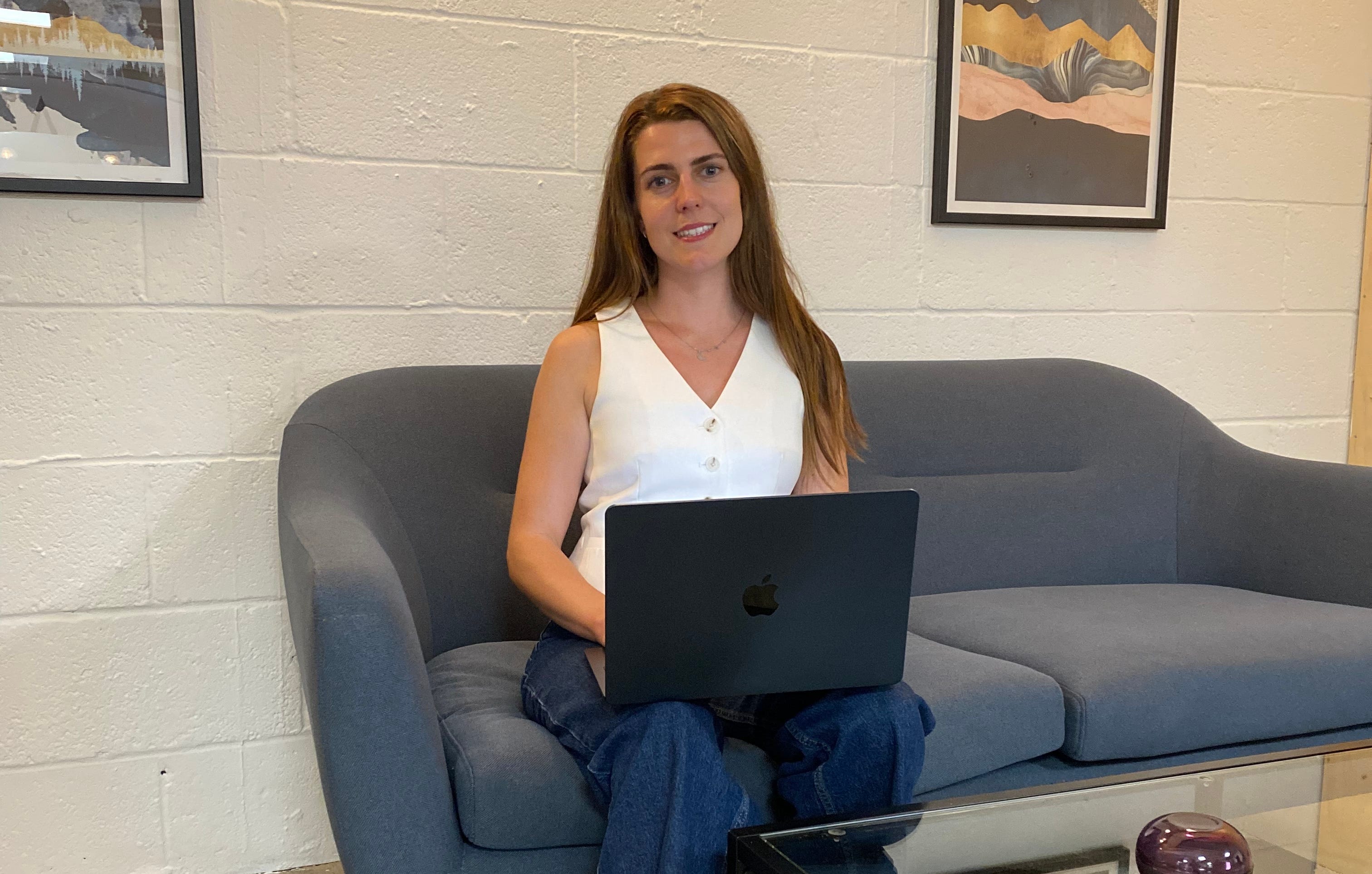
If you don’t share the same sensitivity to light, I promise you I’m not being dramatic. I’ve spoken to several freelancer friends who experience similar responses to harsh artificial lighting, and I’m beginning to understand it’s a wider issue.
For example, one of my friends was going to join me for a coworking day last year in another space. But, upon researching the workspace online, and spotting the harsh white lighting in their website images, it was a big ‘NO’ from her. She just knew she wouldn’t enjoy working there. A missed opportunity on a coworking day pass there.
Light sensitivity is often linked to neurodivergent conditions, impacting up to 25% of the global population. That’s a huge number of people who potentially can’t work in spaces with harsh lighting, not to mention the number of people missing out on the joy of coworking or the possibility of a membership.
There’s more. According to Stephen Shedletzky, author of Speak-Up Culture, a staggering 40% of people in the workplace are introverts. While currently there isn’t a direct correlation between light sensitivity and introversion, introverts typically prefer low-stimulation environments with dim lighting, quiet spaces, and minimal sensory input.
Meanwhile, the most groundbreaking confirmation on the negative impact of harsh artificial lighting reached me in May. Upon attending a panel discussion at Clerkenwell Design Week, Max Fraser, Dezeen editor, shared evidence suggesting that LED lighting can trigger headaches.
Now I’ve done some digging (thanks, Medical News Today)…it turns out that LED lighting produces a very subtle flickering that, while not noticeable to the naked eye, causes headaches and even migraines, according to the National Headache Association (yes, such an organisation really exists). Blue lighting has the most severe impact. That’s the light source behind our phone, tablet, and laptop screens.
The right lighting = better wellbeing
Harsh, white lighting couldn’t be more different from natural daylight, a contributing factor to supporting circadian rhythms and providing that much-needed Vitamin D. Of course, we can’t rely on daylight 24/7 (we’re not Victorians!). But, let me ask you this: Which lighting sources do you like to use at home? I can guarantee you feel more comfortable with low, warm lighting rather than a harsh LED bulb.
The widespread use of harsh white lighting has been implemented in buildings since the 1970s (anyone remember neon strips?). In airport and prison design, it reinforces their functions as hostile environments. This begs the question: Why is harsh lighting a traditional staple in office design, as well as in schools and universities?
For one, LED lighting is a cheaper option. But, I have another theory. Harsh lighting is the antithesis to the warm, low lighting we enjoy in our homes, as well as in hotels, restaurants, and spas, evoking feelings of relaxation and calm. Could harsh white lighting be a conscious decision to enforce work over R&R?
The changes we see in workspace design, partly thanks to the ‘hotelification of the office’ trend, seem to back this up. It’s a recent movement towards better understanding and embracing workers’ needs and well-being in the workplace.
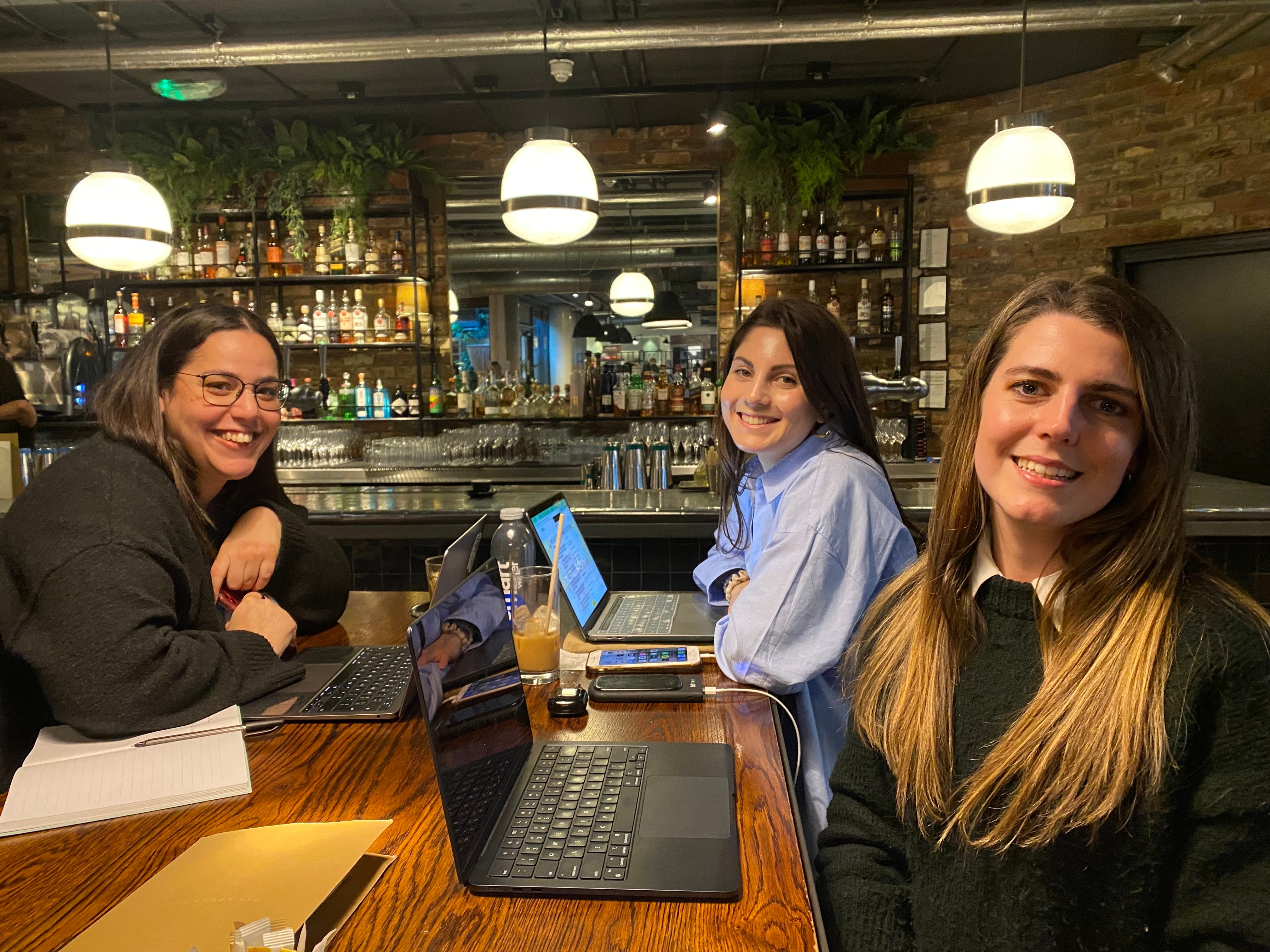
Lighting up your coworking space
As I discovered during my recent coworking experience, not all workspaces embrace warmer lighting or daylight sources.
This might be down to budget constraints during the design process, or the space originally operated as a traditional office and hasn’t been updated since.
In your coworking space, maybe you’ve recently learned that your lighting impacts your community. Maybe you’re in the process of making changes to your lighting. Or you’re just curious to learn more. For my wonderful paid community, I’ve compiled some actions below to support you in making the lighting in your workspace just that bit better.