


To all my local workspace champions,
I’ve been thinking a lot lately about the role of neighbourhood coworking spaces, and why they matter now more than ever.
A conversation sparked last week by Stacey Sheppard, founder of The Tribe coworking space in Devon, shared how local coworking spaces are becoming essential at a time when AI is reshaping work.
Causing many people to face new economic challenges, an IPPR report found that up to eight million UK jobs are at risk of being lost to AI in a worst-case scenario, with women, younger people, and lower-paid workers most vulnerable. Stacey put it simply:
“When people are pushed out of employment, many turn to entrepreneurship by necessity, but without support, a lot of them will fail. Coworking is the grassroots incubator and accelerator that we need.”
Stacey describes coworking as the “scaffolding” entrepreneurs need, providing:
Access to support, workshops, and business know-how
A sense of community
Opportunities for network building
A dedicated, professional workspace
The pathway to success for entrepreneurs
Stacey’s video resonated widely with coworking leaders and space users. It speaks to a truth we see across the independent coworking movement: shared workspaces offer more than just desks, providing a sense of belonging, support, and opportunity.
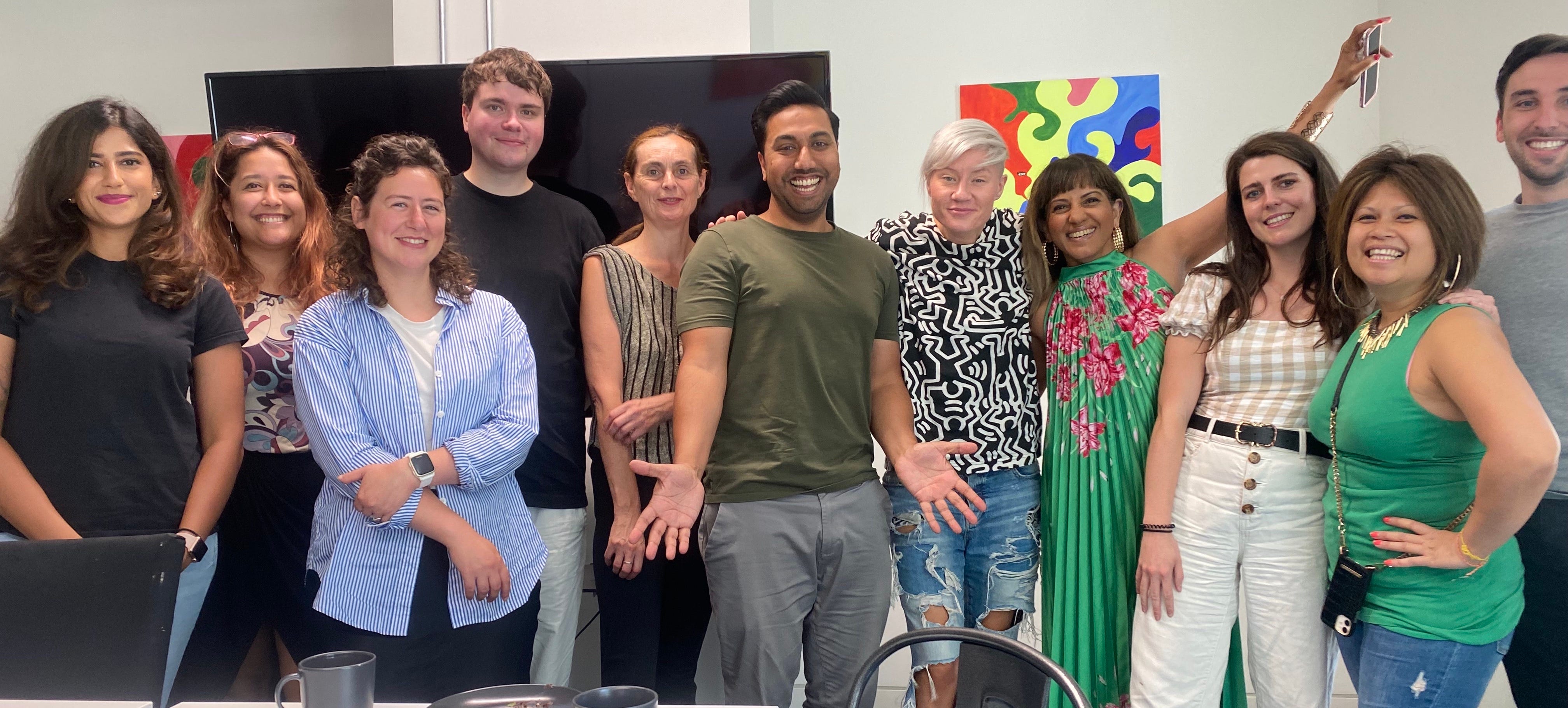
Beyond a place to work
As a former coworking member of a workspace in Islington for two years, I experienced the “quiet, local, and powerful” nature of coworking firsthand. I met my friend Sangeeta Pillai, aka Soul Sutras (you may have listened to her award-winning Masala Podcast), in 2022 through our coworking space.
During our time as coworkers, Sangeeta would often talk about her projects, and we aligned on many topics relating to work, creativity, and life in general. I vividly remember the moment Sangeeta told me she wanted to write a memoir about her extraordinary journey, and that she felt she had to do it now.
Fast forward to last night: Sangeeta officially launched her book! Hosting a special event to mark the occasion at Sacred Grounds in Soho, Sangeeta was interviewed by BBC journalist Hannah Àjàlá about her life story, sharing touching anecdotes featured in her book: “Bad Daughter.”
Listening to Sangeeta talk about her writing journey was such an amazing moment, and I couldn’t be prouder of her success. Order a copy of Sangeeta’s book here.
Making the night truly wonderful, our coworking space community came together in celebration of Sangeeta, with Anna and Cat playing a huge role in supporting the event by greeting everyone and serving drinks. One thing Sangeeta mentioned during her thank you speech stuck with me: “The reason I create is community.”
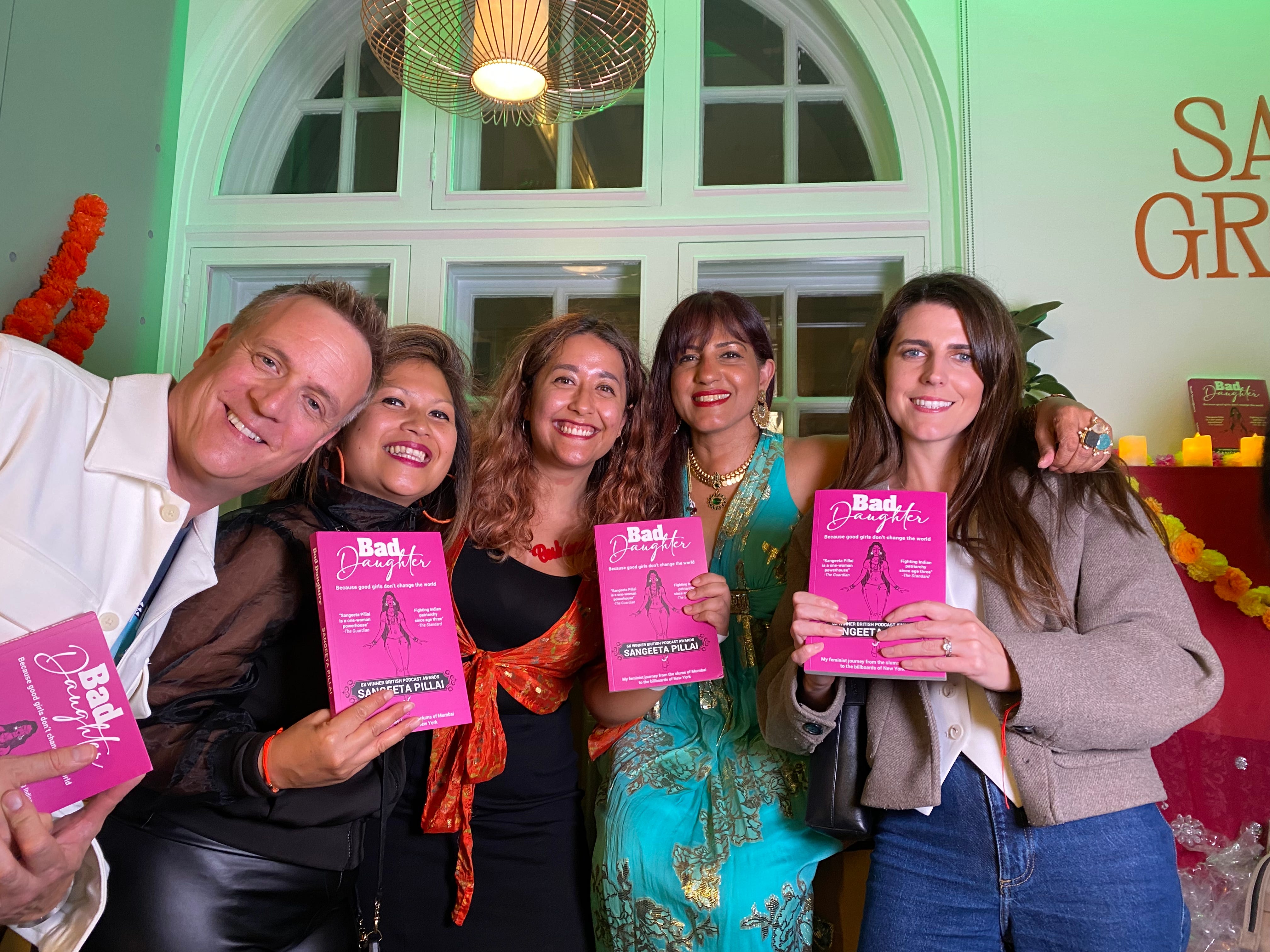
Sadly, we all left the coworking space last year, and the space closed down in June. So, even though our coworking space no longer exists and we don’t meet every day, seeing Sangeeta’s journey unfold so beautifully reinforced Stacey’s point: Coworking spaces provide the “scaffolding” for businesses, nurturing creativity, connection, and personal growth.
Inclusion and community at the heart
The words Stacey shared in her video weren’t just a plea for policymakers to recognise the power of coworking. There’s another side to this: local communities that most need these spaces.
This came to me after reading the horrifying messages of racial abuse targeted at the Oru Space community earlier this week (shared by co-founder Paul Hepworth Nelmes). It was shocking to see such hostility and a reminder of why safe, inclusive spaces, like Oru, are so important.
In response to that anger, the Oru community showed up with love and solidarity. One member, Yumi Sykes, shared:
“When I left my corporate job in June, I was in a dark place with lots of anxiety around whether I could navigate this next chapter of my life. Since moving to Sutton, Oru Space has been my family and friends’ "Go-to". The place truly embraces and embodies the community, diversity, inclusion, and sustainability.”
This comment took me back two years ago, when Oru co-founder Vibushan Thirukumar spoke with me for an Allwork.Space feature. Sharing that the response to opening Oru in Sutton had ‘led to an “outpouring of emotion” from community members…every operational bit of Oru is driving social impact.’
For instance, Oru offers free coworking memberships as part of its bounceback scheme, with its Trinco restaurant supporting a foodbank. Oru always leads with values of inclusivity, belonging, and community, even in the face of resistance.
A call to action
I truly believe many people who criticise coworking spaces don’t yet understand what they really are and the work and support they provide. As advocates, we must continue to tell these stories, shining a light on how coworking supports communities, entrepreneurs, and individuals navigating uncertain times.
I stand with Oru Space – and share this with a message of hope: coworking is about resilience, belonging, and building stronger neighbourhoods, together.
See you next week,
Lucy