


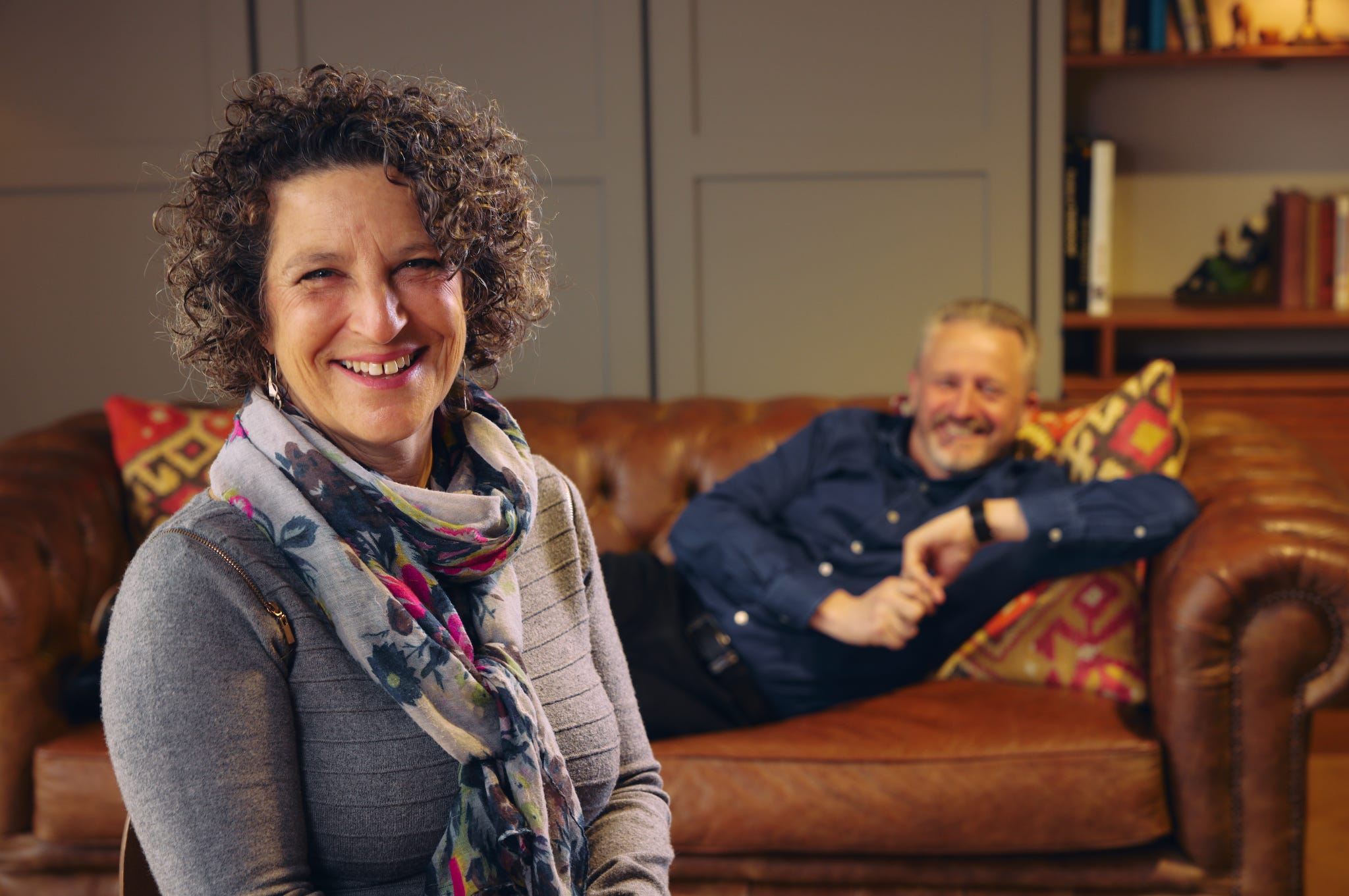
After spending years walking into corporate offices as a consultant, Andy Bedwell noticed something was missing: too many workspaces felt soulless and lacked the quality people deserved.
Drawing on a background in residential property, where Andy and his wife, Vashti, built community-focused shared housing in Bicester, Oxfordshire, they saw an opportunity to create something new in the office market. That became the foundation for Point of Difference — spaces that feel welcoming, personal, and somewhere people want to spend time in.
Since its launch in 2017, Point of Difference has grown from two locations into a network of 10 flexible workspaces across Oxfordshire, Buckinghamshire, and Northamptonshire. Last year, Point of Difference won the Flexible Space Association Customer Service Award, which just goes to show how its reputation has been built around the idea that people make the coworking experience memorable.
Andy shares how to scale a regional coworking business, build a culture of exceptional customer service (with technology and people), and why creating spaces people care about is ultimately a point of difference.
1. What was the original “point of difference” you felt was missing in the office market when you launched the workspace?
Andy: My background was working as a consultant in the corporate space, and I worked in a lot of offices. We felt there were a lot of what I’d call soulless, not particularly attractive, or just very corporate offices out there.
The second I walked through the front door, I could see the difference between the workspaces that were really well-kitted out and the ones that weren’t. It was an emotional reaction, where you felt comfortable and productive in some but not in others.
With my wife, Vashti, we first started in residential property ten years ago. We’ve got a portfolio of 10 high-quality HMOs in Bicester, targeting people aged between 25 to 35. Many other houses don’t have attractive living areas, nor a community, so we built one in Bicester by hosting pizza and quiz nights, and just getting everybody together.
We do a Christmas night out and we’ll introduce new people to others and match them to the right house. For example, if we know somebody’s looking for something low-key, we tend to introduce them to the quieter houses in our portfolio. If they’re looking for something more sociable, then we have those too.
The selection process helps you find the house that’s more attuned to you, and therefore you’re more likely to be happy. This works for us, because you stay, and meet new people.
It’s a similar concept to coworking. We were determined to do something a bit special, so that when you walk into our workspaces, it makes you feel like somewhere you want to be, rather than just another bland corporate office. That was the point of difference, really.
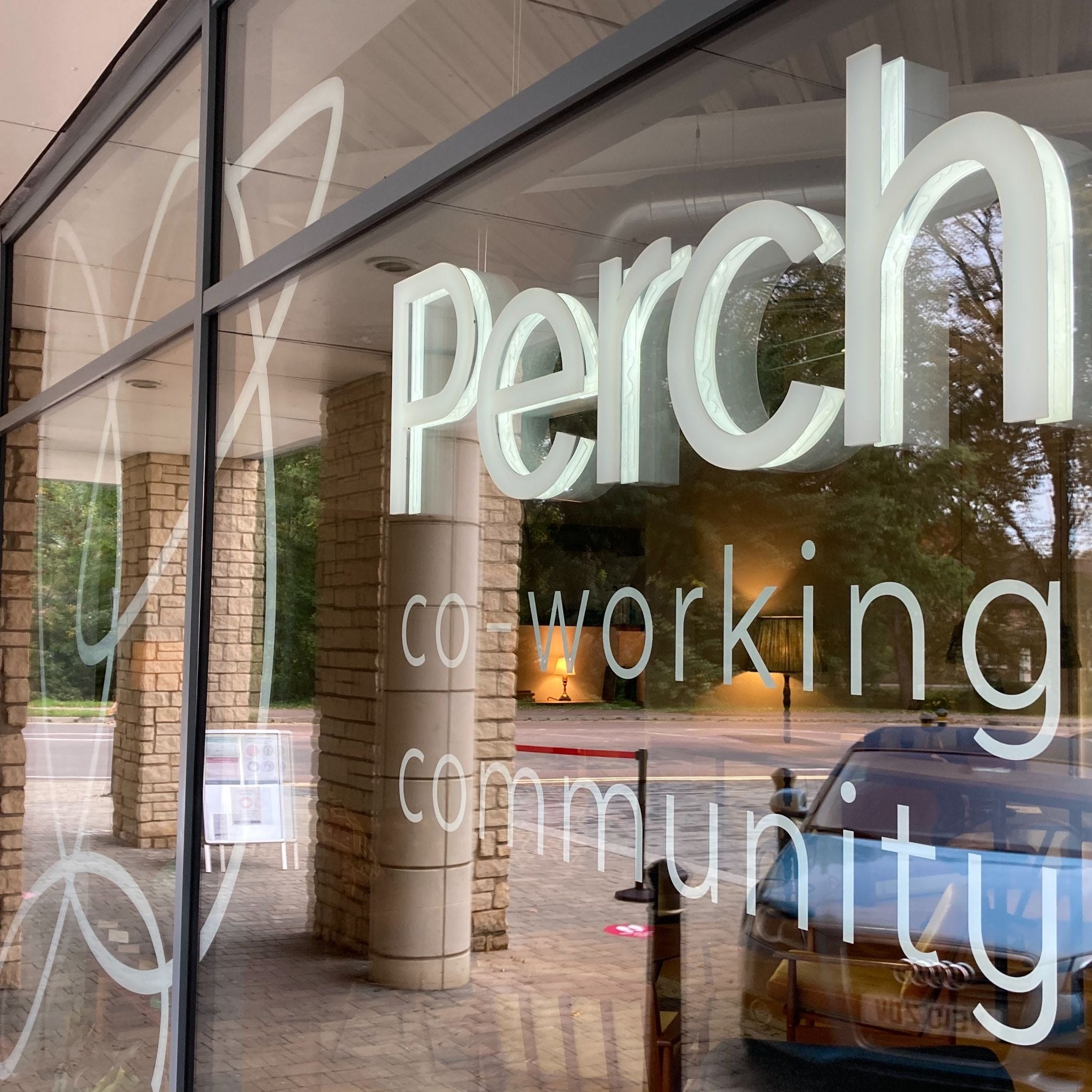
In 2017, we launched our first workspace, Perch Coworking, in an empty high street unit in Bicester town centre and in parallel, opened a serviced office in Aylesbury. Those were two small units of about 3,000 square feet.
In Bicester, we’ve since taken on the unit next door to expand the space and provide more private offices. The Aylesbury space has no pure coworking, however, people can rent an office of dedicated desks on a regular basis.
Over the years, we’ve grown out from those two spaces to a network of 10 locations across Oxfordshire, Buckinghamshire, and Northamptonshire.
2. How do you maintain consistency as a brand while ensuring each workspace feels unique?
Andy: The business itself is run on values underpinning what we do, with a personal approach being one of our core values.
At some sites, we have a dedicated person looking after the site but even when we don’t have somebody on-site every day, we have a high touch approach. We’re tech enabled, so we can always get hold of someone via WhatsApp groups, and we use call and web answering services for current and potential clients to contact us quickly.
We pride ourselves in being accessible. Clients are welcome to my personal phone number — there was a time when someone called me and I managed to let them back into their office remotely from a ski slope!
The serious side to that is you have to have the technology and back-up that enables that. If somebody loses a key, we’ve also got a key safe as we’ll try and have something in place as a failsafe, especially as we’re not always on site. In some ways that makes us more responsive.
We recruit based on our values, and our team jumps on any issues and resolve them quickly. In fact, for any issues, I have two questions: do our clients notice, and do they care. If they notice something and care about it, we need to resolve it quickly.
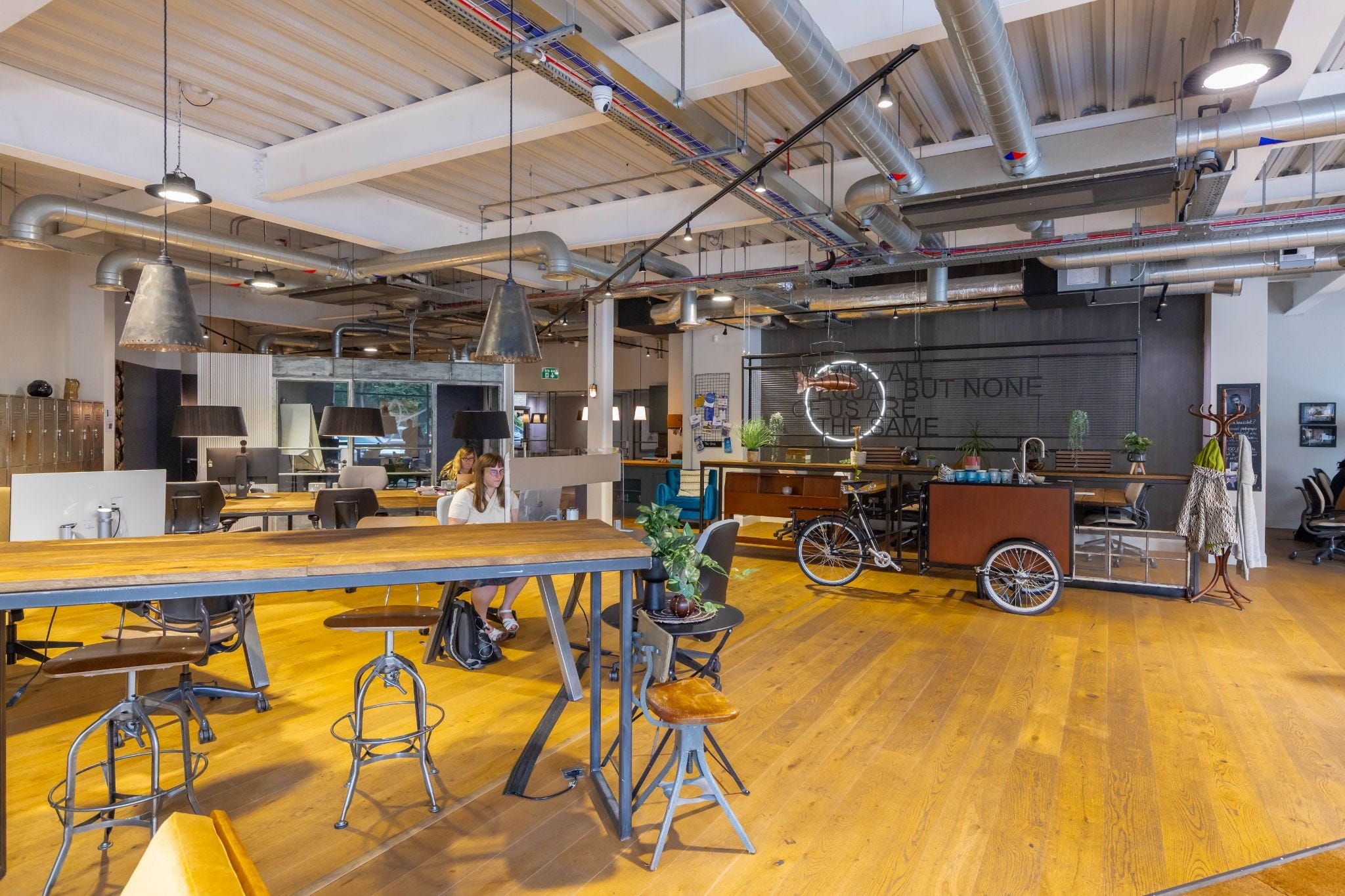
The other side to running the business is that we have watermarks running through each space. We tend to tailor the decor to each building, so we don’t have a standard colour palette, but we do lean towards using similar colours and tones, and use quirky and unique signage.
Biophilia also runs through our workspace design — we have natural looking surfaces and use natural materials. Even if we can’t have real wood, we use realistic wood effect materials that create the same natural feel. Quality materials can produce the right effect.
There’s also the way we select and design a building, that means that some buildings never even get past gate one. Although they might work financially, they just don’t work in terms of the look and feel of a building that we’d want to have.
3. Have you seen examples where the network effect has created real business outcomes for members?
Andy: Our team is really good at knowing who our clients are, what they’re looking for, and connecting them to one another, particularly at Perch Coworking in Bicester.
For example, one client was looking for a bonded warehouse in Germany. As we’re a UK business, we couldn’t really help, but we connected them to someone in our network who directed them. It’s an obscure example but shows how valuable these connections can be.
We also had a photographer based at one of our sites who did headshots for one of the marketing companies here. They then started working together to run a campaign.
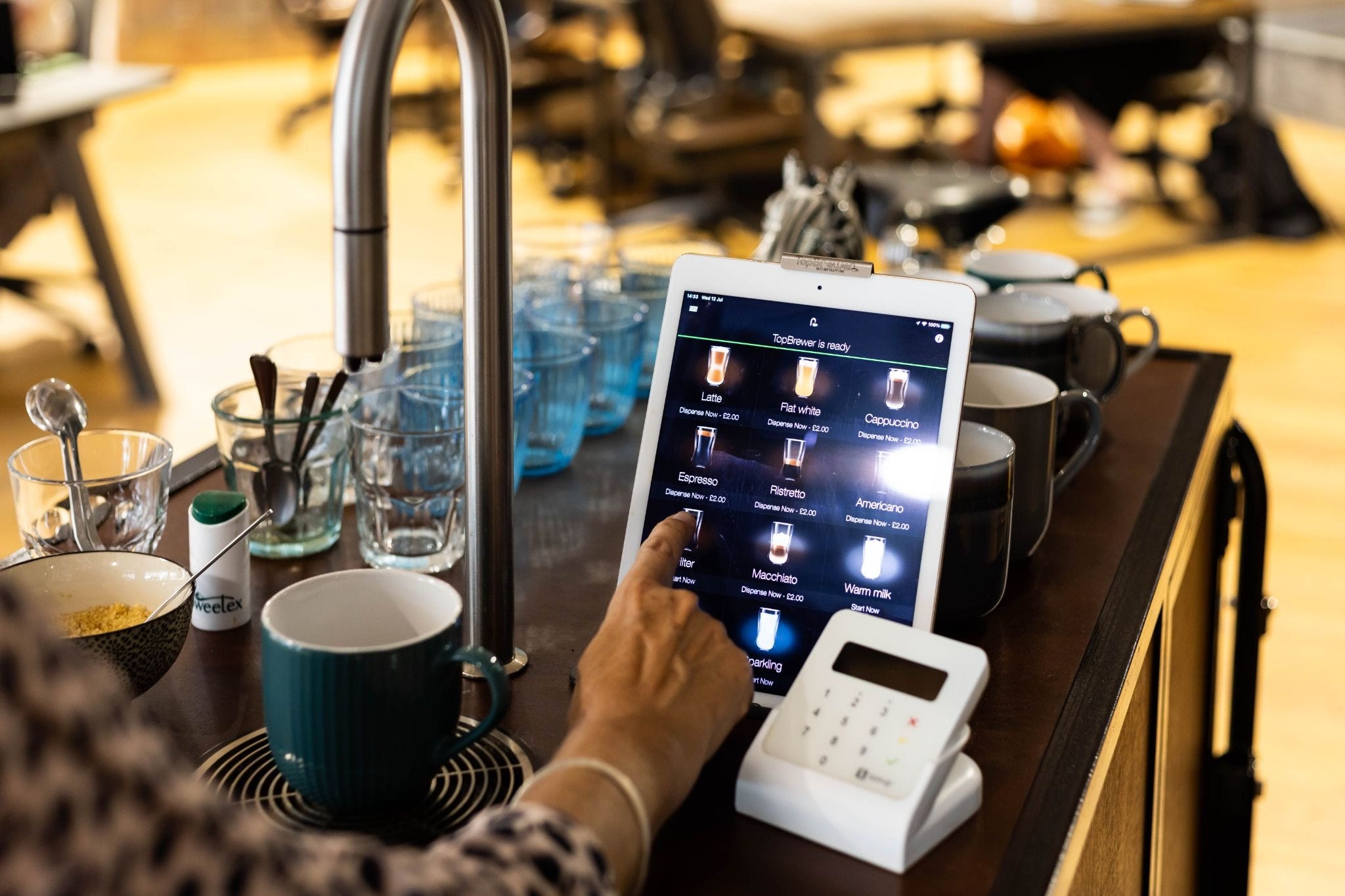
I put together a spider diagram to map out some of the connections that people have made here – it’s really quite a connected network of people that all work together. For instance, we have an accountant and IT partners who are contracted to some of our other clients. Informally, some of our members just help each other out and meet at the coffee machine.
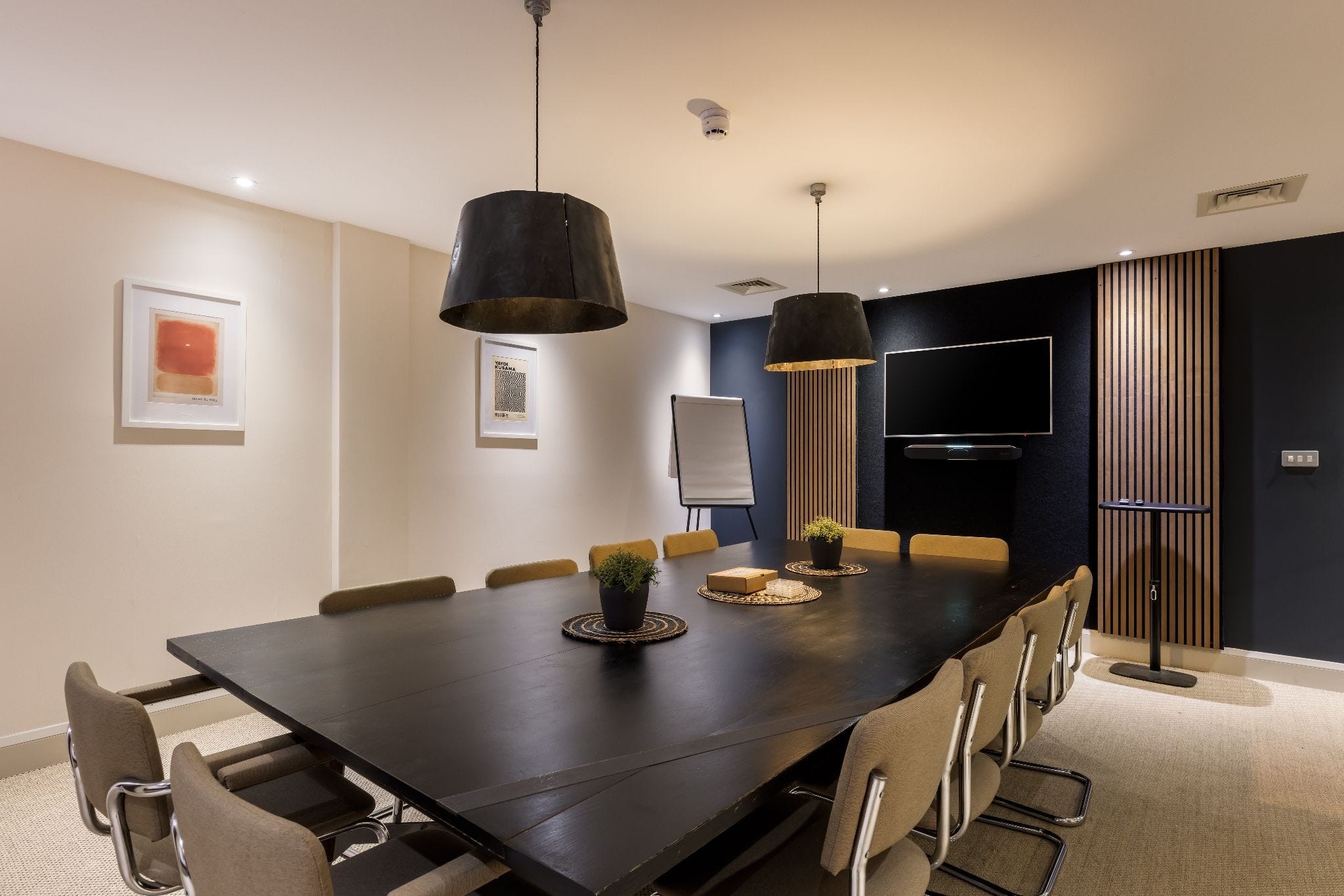
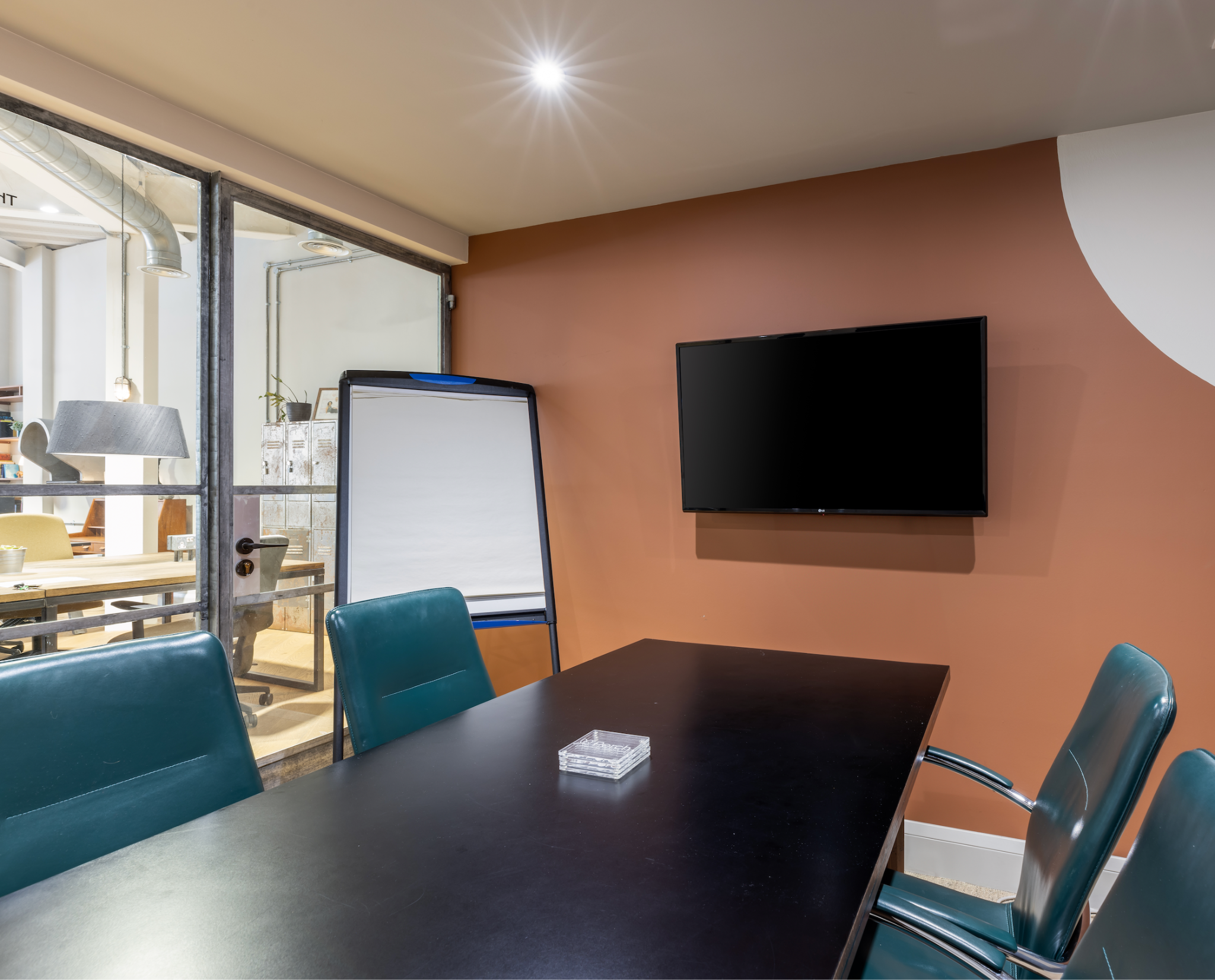
Across the portfolio, we’ve got meeting rooms that our members have access to, and we’ll support people wherever they want to be. If we’ve got a spare office, we’ll sometimes use that as an office for a day or a meeting suite, and then people can access that.
Quite a lot of our office moves are internal, where people want something bigger or smaller, such as a built-in meeting room, or to switch locations. If our clients are looking for an office of a certain size and there’s not one available, we’ll get them into something within the portfolio and, as soon as the right thing comes up, we’ll allocate that to them.
We put a lot of time into catering for where people want to be.
4. Point of Difference won the Flexible Space Association Customer Service Award in 2025. What does “great service” mean in coworking and how do you deliver that?
Andy: Delivering great service is about high touch and care. Like any business, we’re not perfect 100% of the time, but the intent to give a really good quality personal service is always there.
When we recruit, for instance, I never have to train our hires on customer service, and I haven’t run one customer service training programme, because they care anyway.
Their working hours are 8am until 4pm, but they all know that if a meeting room is booked from 8o’clock, people are going to start turning up before that, they’d like a tea or a coffee, and want to settle in the space first. I never have to tell anybody to look out for that, they just do it, because we recruited great people that think that way.
If you can hire people who naturally want to deliver a great service, then you’ve won most of the battle anyway, because they’ll deliver that to the best they possibly can. They take pride in a job well done and satisfied clients. That’s the biggest link across the organisation.
Coworking is a great development space for people to work in. We took on an apprentice three years ago, who we hired permanently afterwards. They’ve grown brilliantly within the business.
Our center managers come from a range of different backgrounds – cafes, project management, and retail. What you get is exposure across the full breadth of the business and to a full range of clients.
The thread linking it altogether is the customer service element. If you’ve got the right mindset, coworking is a brilliant development space for people, because you get exposure to different businesses. For young people, it’s such a great sector to grow and learn from.
The other side of it is technology – you should always be able to get through to somebody on the phone. We have a chat function on our website, with a human behind it, so even if we can’t personally get to it at that point in time, somebody will definitely pick it up. As it comes into my inbox, I’ll quite often deal with a query or two over the weekend.
5. How do you see regional coworking evolving over the next few years?
Andy: Regional coworking has become more prevalent, and we’re a good microcosm example of that.
Post-COVID, many people who worked from home came back to the office, but they disconnected the need to jump on a train to London every single day. People aren’t in the office five days a week, even those who have a permanent office are doing two or three days a week.
There’s also a mix on the coworking side. We have quite a lot of teams who might come together one day a week. They can book banks of desks in the coworking space instead of having a full office – that works well for them.
We’ve seen a lot of people who want a regional office rather than a central one, flexibility rather than a long lease, and who want smaller offices over bigger workspaces. You don’t need the company together; you need the regional team together.
That’s going to be true of a lot of regions where there’ll be demand for these drop-in type spaces, such as coworking spaces. However, regional coworking isn’t without its challenges. The size of our sites aren’t typical of most companies, and most would want a bigger footprint than we have.
Although regional coworking isn’t going to replace the big city offices yet, it’s got an established place. As ever, people will see our location and quality. If you’ve got nice spaces that people want to be in and they’re in good locations, then that will help, and it affects the region.
Our spaces in Aylesbury, Banbury, Towcester, and Bicester have all got different profiles. Bicester, for example, is a booming region, and that works really well for us.
Regional hubs are close to transport, rail and car links, business infrastructure, quality support services, and the major banks. These are all factors of regional coworking to consider, but it doesn’t mean to say that a regional coworking space is going to be super popular.
We find that our members come in for more personal connections. Even people who aren’t connectors and who come and plug themselves into their headphones to work, will have a conversation with another member. I had a bit of banter with a member about football recently; it was a little break in the day that you wouldn’t have in the same way at home.
Even for people who don’t necessarily need a lot of personal contact, social interaction is just a nice way to break the day up a little bit. Regional sites fulfill that role.
About People Make Coworking
There are many incredible people who make up the fabric of the global coworking movement. People Make Coworking spotlights coworking space founders and community builders as they share their journeys of how they bring people together.
Edition #33 of People Make Coworking interviews Andy Bedwell, co-founder of Point of Difference, a network of 10 flexible workspaces across Oxfordshire, Buckinghamshire, and Northamptonshire.
Read more coworking stories and get in touch if you’d like to be featured in this series.