


One factor stands out when I reflect on why I joined my first coworking space – Clockwise Leith in Edinburgh. The community manager was incredibly friendly, the WiFi super-fast, and I could see a real sense of community. But most of all, the space was beautifully designed.
I was taken in by the wooden panelling and pillars (the building was once a whiskey distillery), the exposed brick, the plants! Walking in that space for the first time, I just knew it was the place for me.
Design can spark an instant gut reaction. In coworking, it’s not always the WiFi speed or the friendliness of the community manager that sways someone’s decision (although these do matter). It’s the feeling they get when they step inside.
The colours, the textures, the layout, even the small details all communicate something about your brand and your values. Your coworkers may not be able to articulate it, but they’ll know within moments whether your space feels inspiring, comfortable, and worth coming back to.
Clockwise is an industry leader in workspace design, and its workspace design in Leith has won and been nominated for several awards. It’s important to remember that Clockwise have a big budget to spend on fit-outs. Not something most smaller, more independent coworking spaces have at their disposal.
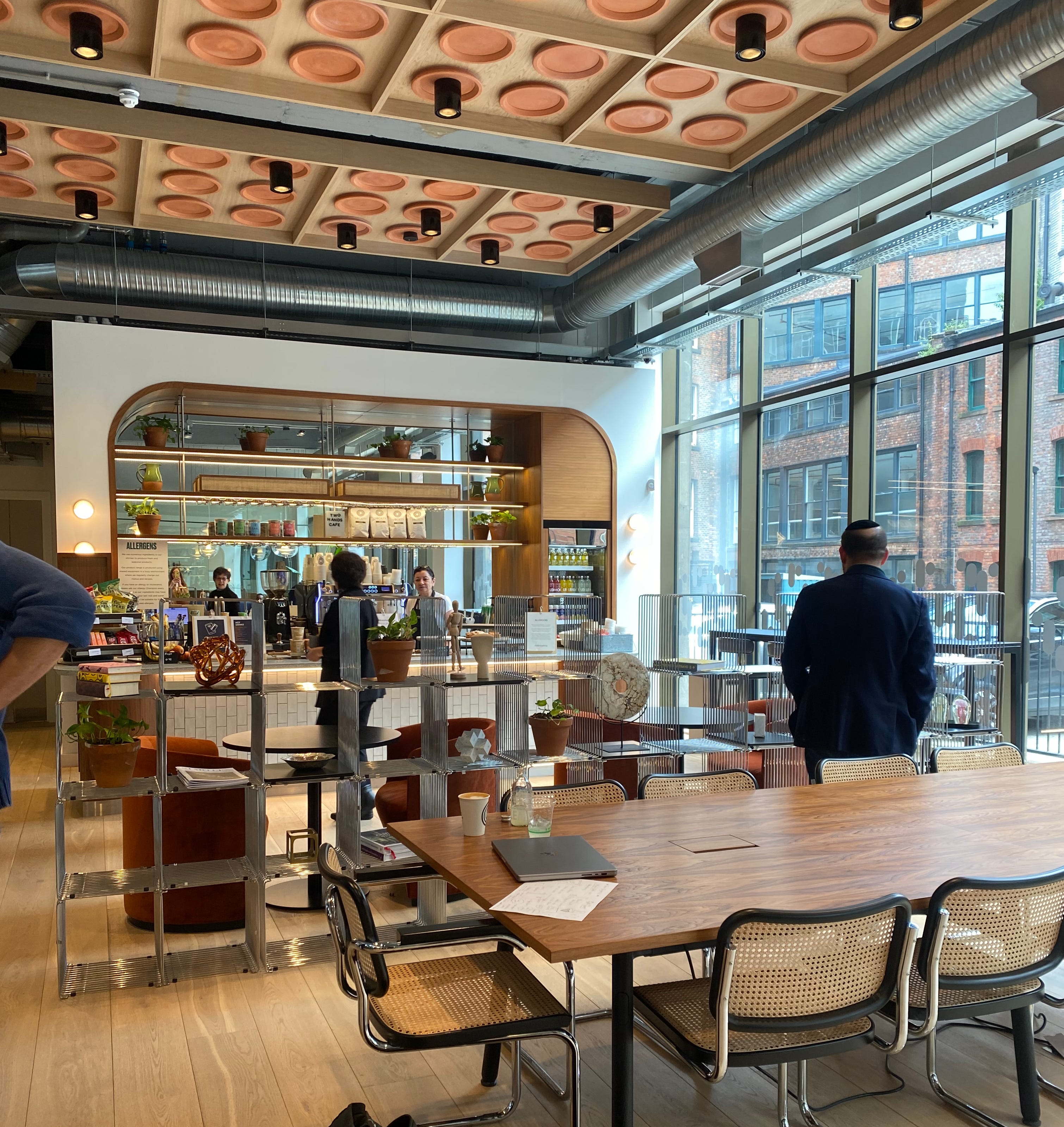
Even if you're running a workspace on a shoestring, there are some ways to add that just little something that will make people want to stay, connect and return to your workspace.
Here are five low-cost design tweaks to elevate your coworking space.
1. Art on the walls
At Clockwise Leith, not all of the design choices were expensive. I later learned through the community manager, whose mother designed the space, that the artworks were made at home, with just some fabric and canvas, super glue and spray paint.
I honestly wouldn’t have known; the pieces just fitted in so perfectly, elevating the space. Adding more colour to the space, the artworks made it seem cosier and homelier.
Art can really elevate spaces. Especially if your workspace has white walls and grey flooring, artwork adds colour, personality, and most of all, can inspire your community.
Darren Epstein, co-founder at Roamwork in Cape Town, shared the impact of having artwork in the workspace on his community:
“Visitors often pause, taking it in. The art is one of those unexpected elements that make the space feel alive and deeply considered…it makes a huge difference to people’s environments.”

Roamwork is fortunate to house a fantastic private art collection. However, there are some lower-cost ways to bring art into your space, like picking up some pieces from a charity shop or partnering with local artists.
For example, HurstWorks in West Sussex doubles as an art gallery to showcase local artists’ work, rotating an exhibition every 6-8 weeks. That’s a really impactful way to support artists (who typically get by on commissions and sales), as well as regional businesses, that’s truly rooted in the local community.

Whether you exhibit local artists’ work or commission an artist for a bespoke mural or piece that will permanently be on display in your workspace, forming these partnerships often connects your community to your space and becomes the ‘wow’ factor when you’re touring people around.
2. The power of nature
At Buro, a neighbourhood workspace in Brockley, co-founders Phil Fisk and Sarah Greene brought a personal, handcrafted touch to the workspace design. Phil, a photographer, often hangs his own images on the walls, while during the fit-out, the couple sourced reclaimed floorboards and scaffold boards.
The result is a space full of character, where natural materials and personal creativity make the design feel authentic.

Bringing the outside in with natural materials — wood, stone, and natural fibres — does more than look good: it can reduce stress and create a calming, welcoming atmosphere
And then there’s plants…I’m a sucker for a house plant! Now, plants not only look good, but they also have air-purifying qualities, making your space healthier and looking out for your members’ well-being.
Plants are fairly inexpensive and can be a very quick win if you’re making a few changes to your workspace. However, there is one major drawback to a space filled with plants: the maintenance.
In the last workspace I was part of, houseplant watering proved a barrier for the community manager. She ended up purchasing fake plants for the space instead. I wouldn’t recommend it. Even though there are some convincing plastic plants out there, they can look a bit tacky.
On the other hand, a ‘sad plant’ doesn’t look appealing, either. Luckily, there are a few low-maintenance plants out there to consider bringing into your coworking space:
Devil’s Ivy: thrives in a variety of light conditions and forgives missed waterings.
Spider plant: air-purifying and cheerful. It’s also quite easy to propagate – a knack to get more plants for free!
Succulents: Need very little watering, but do need lots of light.
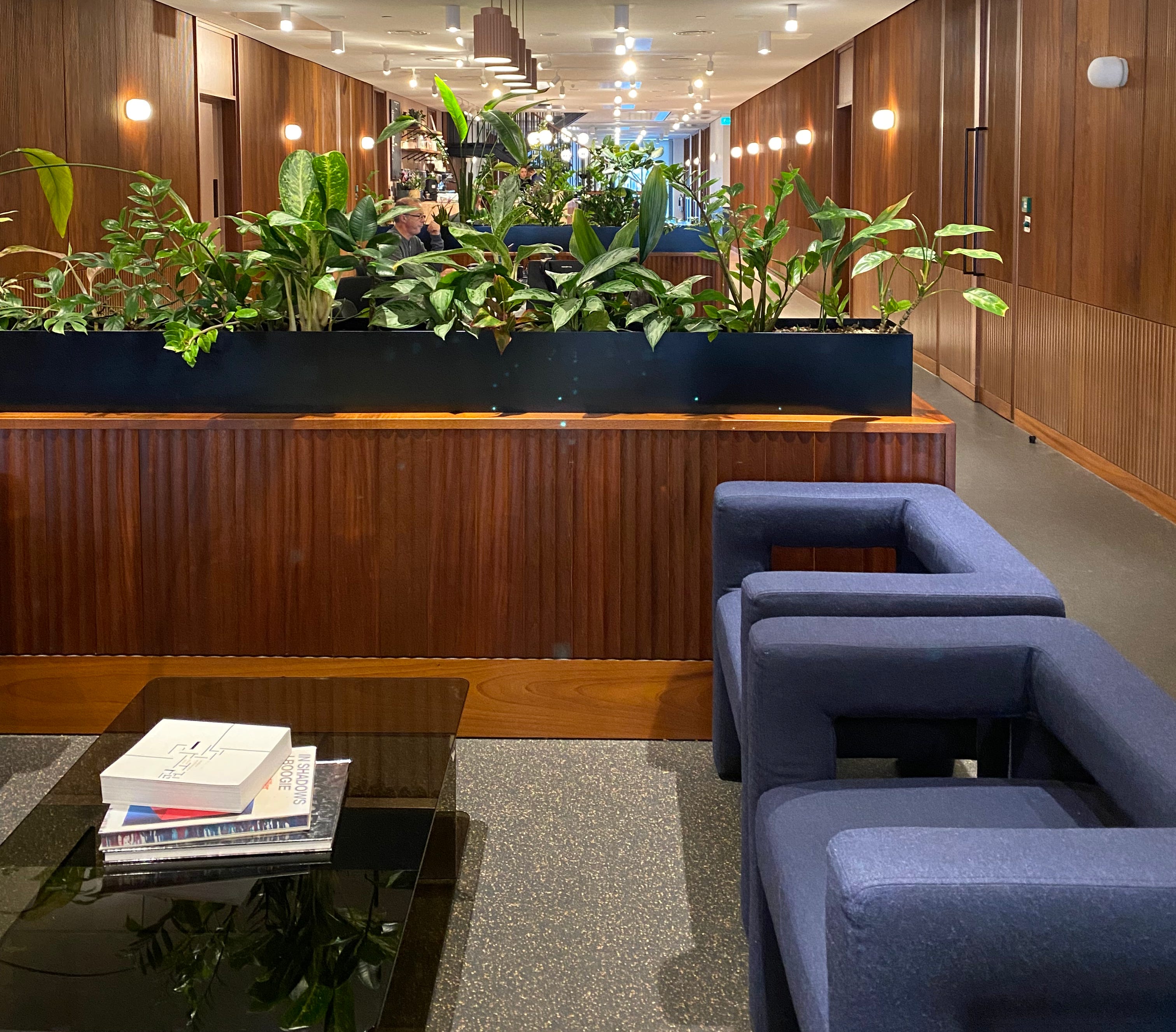
3. Lighting up your coworking space
On the subject of light, if you can flood your workspace with daylight, I’d absolutely recommend it. It’s just another way to bring the outside in, which can truly support your community’s circadian rhythms.
That’s not always possible, however. While Clockwise Leith was beautifully designed, the hot desk area was situated in the middle of the building, with the only light sources coming from the front and back. The space lacked natural lighting; however, there were so many warm lighting sources placed in the space that it transformed an otherwise dark and dingy area into a warm and inviting workspace.
Good lighting can truly transform a space. However, the caveat to bringing artificial lighting into a space is that some operators go to town on LEDs – flooding workspaces with harsh white lighting that feels stark and clinical.
Last month, I had to leave a coworking space after only a few hours because the harsh white lighting triggered a migraine.

Everyone has a different preference for lighting. For example, neurodivergent people (who make up to 25% of the global population) generally prefer warmer lighting sources, as they’re particularly sensitive to light.
If your community aren’t vibing with your lighting, a simple fix could be replacing your bulbs with a warmer alternative. Warm white (2700–3000K) bulbs create a softer, more welcoming glow compared to cool white (4000–5000K) bulbs. If that’s not possible, consider bringing in a few lamps with different glows.
As we move into autumn here in the UK, lighting will matter a lot more. The days are drawing in and the weather is grey (urgh, I’m mourning summer already). Thoughtful lighting helps everyone focus, feel comfortable, and enjoy the space throughout the day.
4. Absorbing sound
Lighting quality is one aspect of sensory design – the practice of designing spaces to create a desired emotional or behavioural response. While we have five senses, most spaces are heavily designed around sight, because it’s the most obvious and immediately noticeable across colour, materiality, and furniture layout.
In fact, 80% of the sensorial hierarchy is visual, says Robyne Landau, co-founder of Kinda Studios, a neuroaesthetics studio exploring the human experience. In spaces, there often isn’t enough consideration of acoustics.
For example, a coworking space might look stunning but feel acoustically harsh or stressful, or the echo overwhelming. Members just won’t want to linger. This often happens in spaces designed with an industrial aesthetic using hard materials, such as concrete and glass.
The good news is there’s a simple solution: soft materials. This not only makes a space feel more inviting, but also absorbs sound and improves the acoustics.
In other words, the same design tweaks that make your space look welcoming also make it feel calmer and more functional — a win-win.
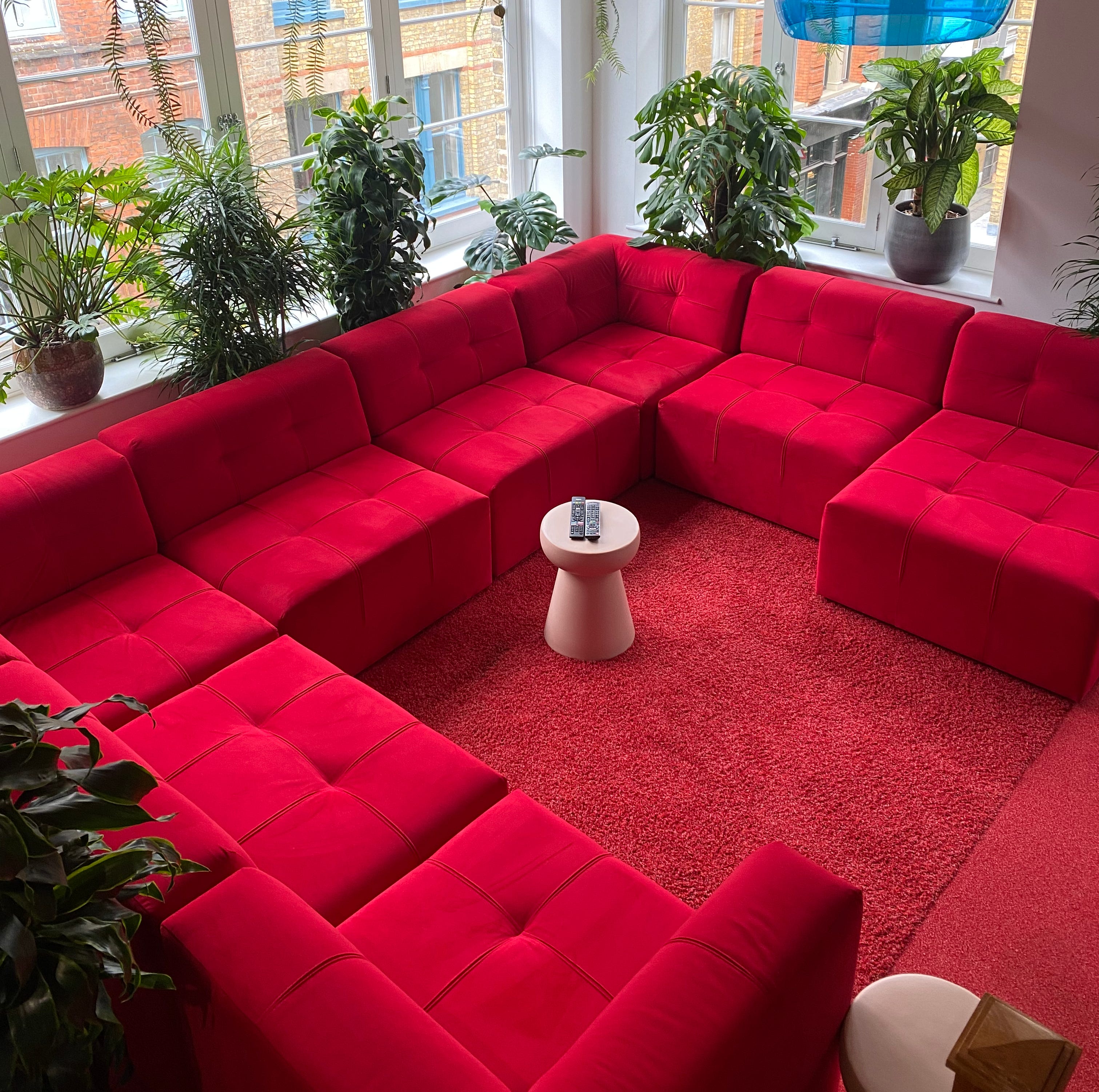
In recent years, breakout spaces have become a staple in coworking spaces, breaking up rows of desks with cosy, inviting areas. A lounge can serve many purposes: a meeting point for members, a lunch spot, a casual hangout after hours, or even a comfortable space to chat with prospects.
There’s something undeniably welcoming about having a well-designed lounge in a workspace, although introducing one might require a longer-term space transformation.
Start small with the following design tweaks:
Lay down rugs to bring soft materials into your workspace without committing to a full-on lounge transformation.
Dot a few cushions around the space to add some materiality, perhaps in the communal seating areas.
When it comes to replacing chairs, consider upholstered chairs that will absorb sound.
There are acoustic solutions out there that improve the sound quality of your workspace, such as wall panels or sound-absorbing tiles.
5. Looks good, smells amazing
Just as sound can make or break how a space feels, so too can smell. Our sense of smell is deeply tied to memory and mood, and an inviting scent can subtly shape how members experience your coworking space.
For instance, I recently purchased a gorgeous-smelling Cowshed diffuser, after staying at a house with this exact scent (it was for my hen party, actually). Now, my living room takes me back to that weekend, and my home smells amazing!
Likewise, Paula Madrid, founder of Blue Panda Office Spaces in New York City, is inspired by brands that create their own scents. However, she didn’t have the budget to do this. Instead, she purchased a scent from the Baccarat Hotel. Now her space smells amazing:
“We put a diffuser on every morning. When people walk in, it’s very light, and everyone loves it.”

Buying diffusers is such a simple way to elevate your workspace. For my UK readers, get yourself down to your local ALDI; you can purchase some very affordable top-up oils for your diffuser bottles for only a few pounds.
Creating the ‘vibe’ in coworking spaces
Workspace design can completely transform how a space feels, supporting productivity, wellbeing, and a sense of calm. But even the most beautiful design works best when paired with a thriving, connected community.

What small design choices have made the biggest difference in your space? I’d love to hear from you!
Have a great weekend ahead, and see you here next week,
Lucy