


Lately, I’ve been somewhat of a coworking nomad, bouncing from coworking space to coworking space to meet friends, work (of course), and get out of the house. After a move to Greenwich and giving up my two-year coworking membership at a coworking space in Islington last October, I haven’t yet found my second home, so I’ve been testing the water to see what sticks.
While I have my preferences for a coworking space, I’ve been on a mission to learn what attracts people to a workspace. I’ve asked a few freelancer friends for their thoughts, too. Let’s dive into the top five things people look for in your coworking space.
Access to natural lighting for well-being's sake
A couple of friends in East London have been raving about the recently opened Laundry Studios by Oneder, so last week, I trekked to London Fields to see what all the fuss was about. It also happened to be European Coworking Day 2025 — a great day to cowork!
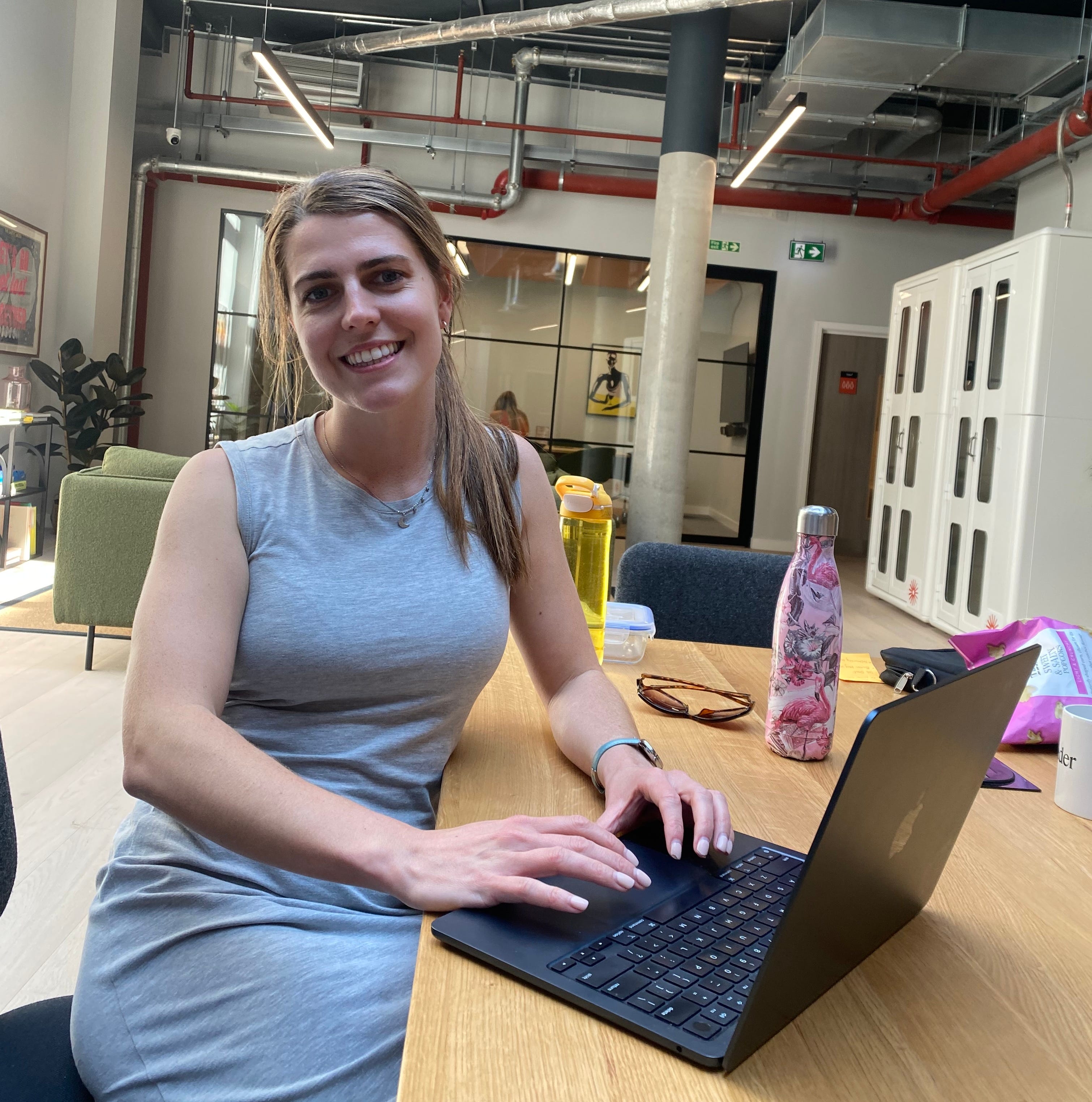
Despite the space being on the ground floor of a new block of apartments, the workspace is a large, airy space incorporating some lovely natural materials and artworks. The large long coworking table beneath a lightwell in the middle of the space particularly piqued my interest, and it’s where I spent my time coworking with my friend, who recently signed up as a member.
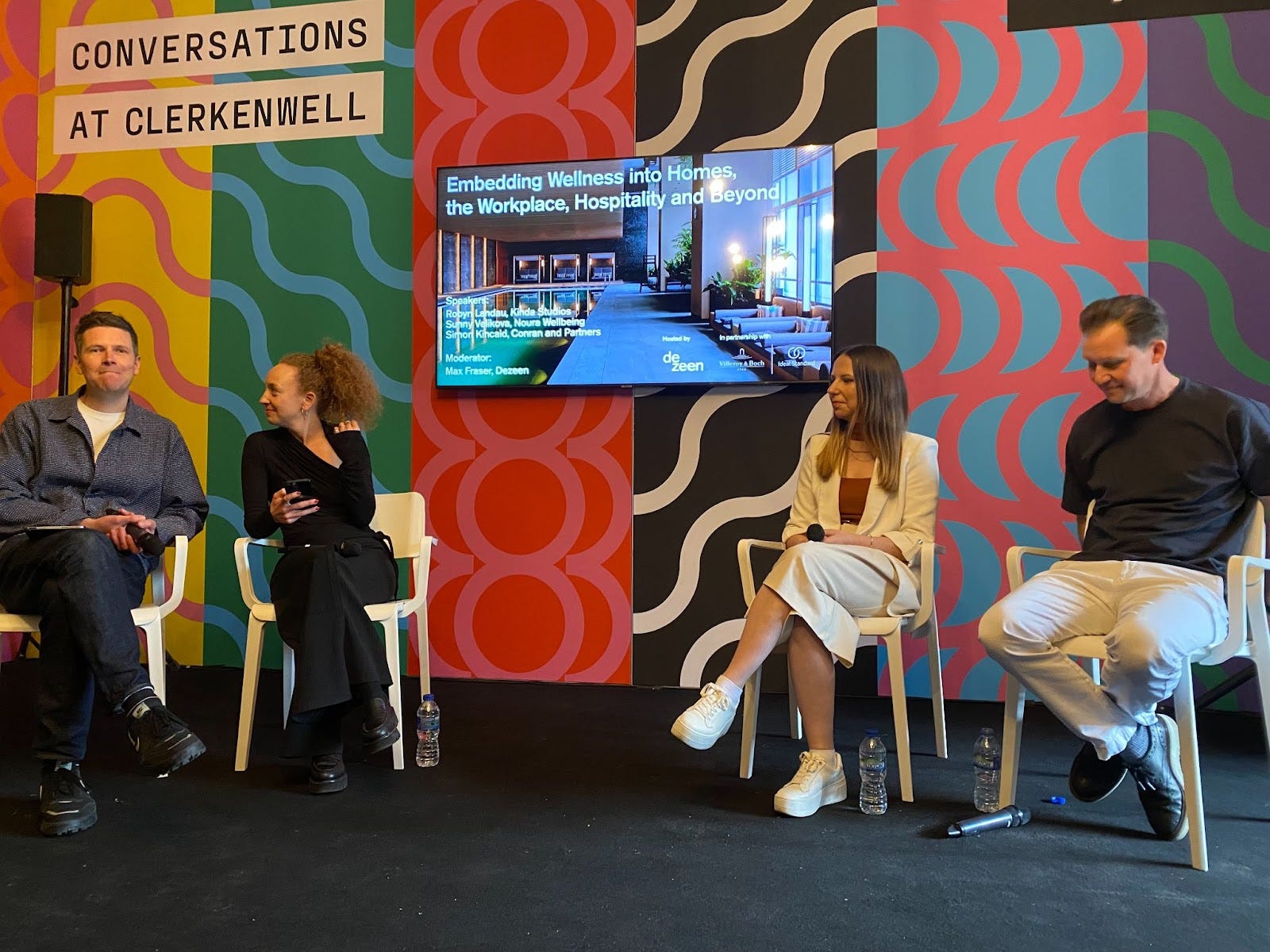
We’re both very sensitive to light. Interestingly, this topic came up yesterday at a talk I attended at Clerkenwell Design Week about wellness in the workplace, hospitality spaces, and beyond. Featuring a panel of leading interior designers and architects, the discussion explored how our environments can directly impact our wellbeing, productivity, health, and happiness.
When we think about certain space typologies pertaining to relaxation and wellness, such as luxury spas and premium hotel lobbies, we never see bright, white lighting. So, why has this design material been repeatedly chosen in our workspaces? While LEDs are an energy-efficient alternative, they can create particularly uncomfortable environments, especially for long periods. In fact, evidence has been found to suggest that harsh LED lighting triggers headaches, says Max Fraser, Editor at Dezeen and yesterday’s moderator.
Looking back, there were several times when I had to leave a workspace after experiencing a sudden migraine. This would sometimes happen at the Islington space, and I never put the pieces together until a few months ago, when my friend told me they wouldn’t be able to work at the coworking space due to the bright white lighting they’d spotted in photos. So there you go — lighting has a massive impact on whether a coworker stays or not.
Comfortable, ergonomic furniture (but not too cosy!)
Many workspace designers draw inspiration from premium hospitality spaces, jumping on the recent ‘hotelification of the office’ bandwagon, which was declared an official buzzword at last year’s GCUC Manchester. But there’s a reason why workplaces appear like luxurious hotel lobbies – this space typology evokes comfort and relaxation.
Sometimes this goes a little too far, however. I’m all for a space that reminds me of my living room, but I personally don’t get much work done slouched on the sofa. This always puts me off spending all day coworking in hotel lobbies. While I love to swing by to see my friends do, especially when I’m in the area, I never get much work done, so I wouldn’t pay for a space that isn’t set up like a professional office.
I’ve noticed this trend in some workspaces that appear more focussed on the corporate customer than the freelancer, squeezing as much revenue out of a space. They offer a hot desking membership, but the coworking space only offers raised seating areas with backless bar stools, or work benches (again, not doing our backs any favour).
Now, I know…freelancers aren’t always your favourite kind of customer. The ones that scrounge the desk booking apps, sign up for free trial days, drink your complimentary coffee, meet with friends to cowork (rather than integrating with your community), then never to return. But, I hope there’s a win-win solution. For example, we can have stylish office chairs and sturdy desks, and you can enjoy retention from this particular audience segment.
Multiple workstations, especially for calls
A couple of years ago, I co-hosted a coworking open day and coffee morning for freelancers on International Coworking Day at the Islington workspace. While the morning session in the meeting room went very smoothly (there was free coffee and cake, after all!), the afternoon spent coworking in the workspace went a little haywire when one of the regular members spent the entire afternoon taking back-to-back calls in the open space *groan*.

Our coworker wasn’t particularly loud or irritating, but simply hearing the sound of their voice drone on for hours made for a distracting and unpleasant work environment. The feedback from that part of the day wasn’t good, and some people never returned. But this wasn’t our coworker’s fault — the space didn’t have workstations for people to pop in to take a call.
This changed a year later, when the space moved to a new building, introducing two pods — a phone booth and a wee meeting pod. The impact was considerable. For one, taking calls without the entire workspace community overhearing made it more comfortable. Secondly, the community was considerate when using the phone booths (the etiquette is so important)!
Regardless of whether you’ve installed phone booths, meeting rooms, nooks, or pods, offering a variety of workstations not only provides coworkers with a choice to undertake multiple activities while they visit your workspace, but it also improves the overall coworking experience.
Working near home, or in a thriving location
Last week’s coworking session at Laundry Studios was brilliant, but the main reason I won’t be registering for membership is quite simple: the commute is too long. My 60-minute journey from Greenwich involved a bus and tube journey, and a 20-minute walk, which is sadly not feasible regularly. Meanwhile, my friend is just a 30-minute walk from the space, making the coworking space ideally located for her and anyone else living in the East London area.
A coworking space near home is ideal for those with fragmented time or longing for a more active commute. When I lived in Edinburgh in 2021, I joined my local coworking space – Clockwise Leith – for this reason. The space was a 15-minute walking commute via the tranquil Waters of Leith pathways, located in a thriving neighhourhood of fantastic coffee shops, cafes, and handy services like hairdressers and a decent leisure club. Alongside meeting lots of new people at the space itself, its proximity to these other services meant the community would regularly bump into one another, strengthening neighbourhood connections.

I’ve been looking to replicate this for a while. I’m currently part of an extremely social gym community, but sadly, my gym doesn’t accommodate a workspace. While I do work out of some of the local cafes in that area, it’s not the same as a dedicated coworking space. As a freelancer, I’d like to be able to work somewhere, grab lunch at a local cafe, and tie a workout into my working day, rather than going back and forth between home and third spaces. I’m looking for that sweet spot, and I know a few others out there searching too.
However, we all have different needs. For instance, my brother lives in Wandsworth but is a member of a coworking space in Shoreditch, where he commutes every single day, thriving off a more central location. Although he doesn’t mind the commute, he recently moved to a building that offers coworking, and he works there with a coworker who lives in Chelsea at least once a week.
A ‘good’ vibe in coworking
My brother doesn’t commute to an empty space, however. He met his current coworking community on a business accelerator a few years ago and has since hopped from site to site under the same coworking brand and community. To him, the vibe matters. But what does this even mean?
Dr. Louise Suckley has been conducting extensive research on this topic. Exploring whether the ‘vibe’ in coworking spaces is influenced by sociomateriality (linking objects and materials) or by people, Louise discovered that several core factors spark the vibrant atmosphere in shared workspaces, including:
Sharing resources and facilities that encourage interaction
Establishing good routines within the community
Organising events for people to come together
Before I even joined the workspace in Islington, I met its incredible community manager, Anna, at several industry events. Her friendliness and welcoming approach sold me immediately. I experienced the vibe – the buzz, the energy, and the community spirit — before even stepping into the space itself.
When I joined the coworking space, the vibe intensified even further, enabled by the opportunity to join several professional opportunities led by external and internal specialists, exploring finance, good business practice, and content creation, as examples. The events led us to meet one another, as many community members ran businesses, and our shared journeys sparked a deeper bond.
Our connections began in a more professional setting, but as time went on, this merged into the personal. We participated in the Christmas party (featuring a dip making competition and a quiz), a member organised a Murder Mystery night that required us all to dress up as specific characters, and we celebrated many birthdays and personal celebrations that continued even after we left the community. Which is a story for another time, but also a huge lesson in how vibes matter!
Coffee, dogs, and all those nice-to-haves
As I started thinking about what my peers and I have discussed in relation to coworking spaces, I realised that there are more than five things people are looking for in a coworking space.
Below are some additional aspects:
Delicious coffee: My friend at Laundry Studios absolutely loves that the space provides yummy iced coffees. Likewise, when I’ve been running my community events for freelancers in Shoreditch, the coffee breaks are always met with excitement when participants see that the machine makes ‘nice coffees,’ even with oat milk. We’re all coffee snobs here!
Secure access and safety: I left a workspace community in Whitechapel after experiencing a particularly unpleasant and unsafe experience at its entrance. This could have been easily prevented with the right type of access control. Please consider whether your space and its surroundings are safe to use, and support your members in their daily experiences.
Good acoustics: Like natural lighting makes all the difference in a workspace, so does good sound installation. Too much noise can be stress-inducing, especially for neurodivergents who feel more easily overwhelmed in busy, open-plan spaces. You cannot always help having a space with poor acoustics, but there are many things you can do to ease things, such as introducing soft materials and installing sound tiles to absorb noise.
WiFi that’s easy to hop onto: What’s the first thing your visitors do when they cowork in your space: say ‘hello’ to your community manager? Have a look around? Grab a coffee? In many cases, it’s hopping onto the WiFi. So, a complicated WiFi system just won’t do, creating friction for those who want to come in and get work done. It’s not top of my list, but it is for others.
Dog friendly: This is a personal preference — I love dogs, but not everyone does, and some people have allergies. On the other hand, many people have bought pets to reduce their stress levels, and dogs provide great icebreakers within the community!
Ultimately, you probably know what your coworkers are looking for and have narrowed down on your customer segment. But if you’re not sure what they’re looking for, I’ve heard countless operators talking about the importance of a community loop and facilitating participatory feedback sessions.
How are you engaging with your community to ensure your spaces meet their needs? I’d love to know what you’ve discovered during these processes – don’t be a stranger.