


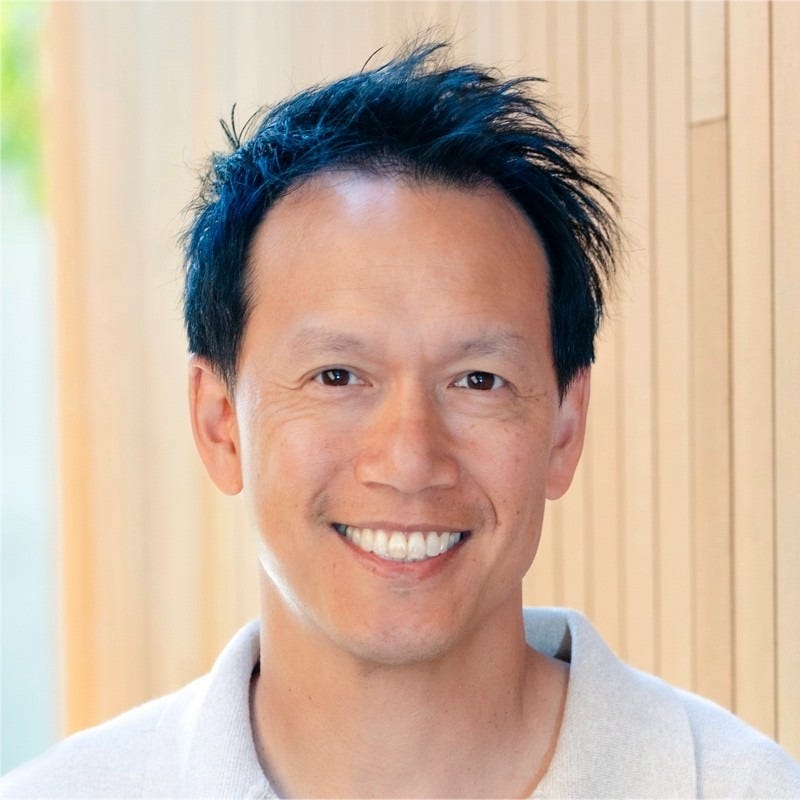
Jerome Chang has been part of the coworking movement since its inception, having opened BLANKSPACES in 2008, at a time when fewer than a dozen coworking spaces existed in the U.S. From those early days of exchanging tips online with fellow coworking space founders, Jerome has been shaping the coworking movement into what it is today, and BLANKSPACES is now one of the oldest coworking brands in the U.S.
With a background in architecture, Jerome brings a unique design sensibility to coworking, blending functionality with user experience. His coworking spaces cater to a wide range of members – from entrepreneurs and freelancers to corporate teams seeking flexibility – embodying the ethos: “Work for yourself, not by yourself.”
Beyond running a growing coworking business, Jerome is committed to promoting inclusivity within the industry. In 2023, he launched ‘People of Coworking,’ an initiative that encourages industry conferences to broaden representation, increase access to opportunities, and promote inclusivity.
In this interview, Jerome shares his journey from architect to coworking founder, the evolution of BLANKSPACES, and insights into the future of coworking as a catalyst for community, choice, and entrepreneurial spirit.
1. You’ve been active in the coworking industry since its early days. What’s it been like to witness and be part of the coworking movement from its inception to today?
Jerome: I opened BLANKSPACES in 2008, in the very early days of coworking. At that time, there weren’t even a dozen coworking spaces in the U.S. We were all scrambling online, looking for each other, and trying to share best practices.
Sadly, there were a couple of coworking companies trying to one-up each other and get more press. Maybe that happens in every industry. But there are also a bunch of people who start with good intentions to further the movement.
It turns out that BLANKSPACES is now one of the oldest coworking companies in America, as many workspaces that launched in the 2006-2009 era have since closed. Now, there are a couple of exceptions, some of which closed for a couple of years around the pandemic, and then reopened. WorkBar in Boston launched about a year after BLANKSPACES.
Most optimistically, we’re right now at an inflection point of where coworking can be. This also happened around 2011-2012, at the end of the recession, when real estate prices and the cost of goods were cheap, and optimism was high.
Those who opened in the 2011-2013 era did well, but some of them were like Icarus, and got too close to the sun, and in the case of WeWork, rebounded.
We’re at another inflection point now. The high vacancy rates make the cost of real estate cheap or opportunistic, and many U.S coworking spaces are more mature. Therefore, we tend to avoid traditional leases; instead, looking at revenue sharing or management agreements.
Depending on the deal, leases may now come back in favour. However, I don’t think a lot of us will do that, because we’ve learned a lesson. It’s short-lived, but for those starting out, it’s a good time to do that. For coworking, this is a once-in-a-decade opportunity to really shine.
2. What’s the journey of running BLANKSPACES been like, and how has the coworking brand evolved?
Jerome: I’m basically customer number one. When I exited my architecture job to open my own firm, I always knew I wanted to share an office with a few people, not only for camaraderie, but to share some of the expensive equipment that architects need, like large printers, plotters, and scanners.
Ironically, architects mostly never joined my coworking space, so its whole premise never fully materialised. But other people did.
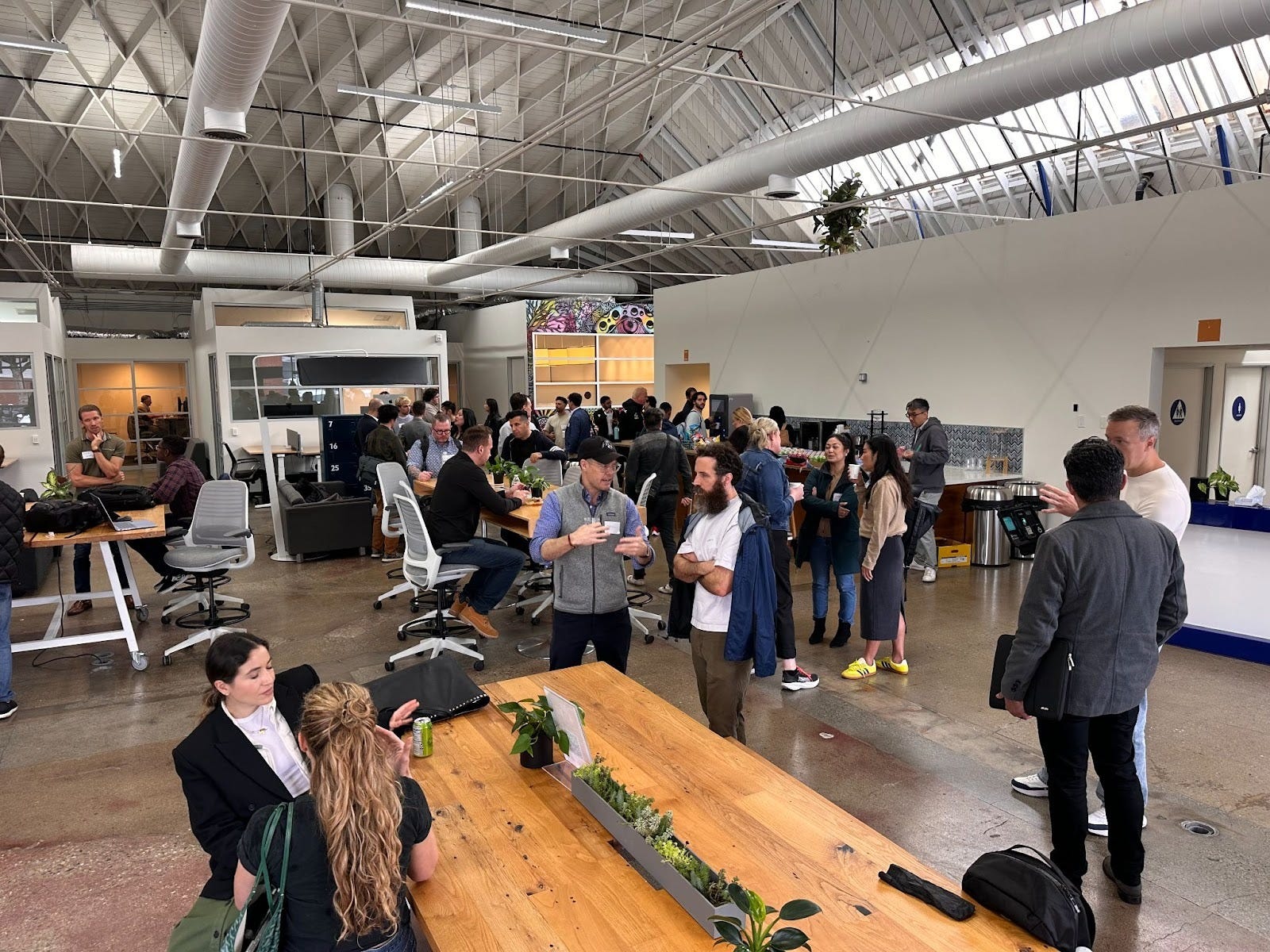
At first, I reflected on my previous jobs and said: “I’ve worked in a five-person company, a 20-person company, 50, and 100…how many people do I want to share this space with?” I arrived at between 40-50 people, which is what my first space held.
It took off from there, only temporarily at first, because I opened in early 2008, and then the recession hit that Fall. Everything got turned upside down, and I spent the next two years trying to climb back out of that.
I was then able to open my first expansion site in Santa Monica. That went well – we were ahead of budget and schedule, and it turned out to be a great location. But I experienced a partner issue and had to pivot and regrow again. This was during the growth era of coworking, from 2011 until 2018-2019. But our community is growing again, which is great.
It’s been interesting watching all these companies come into coworking and, unfortunately, some come out. This is the second time it’s happened, and I’m still wondering why.
When I opened in 2008, I was the first coworking space in SoCal. You have to remember that LA County is 10 million people; it’s a country in itself. That’s just massive, and we were the first and only coworking space for two years.
For somewhere as large as LA, the market is underserved. Among the boutique and local, regional operators, there really aren’t any. In terms of coworking and flexible spaces, London is so much farther ahead than we are.
3. How does your architectural background influence the way you design your workspaces?
Jerome: I’ve always been surprised and impressed that so many people have come into coworking with little to no knowledge of either design or construction, because our monthly rent is the highest expense. Whether it’s 30%, 50%, or 60% of your operating expenses…it’s huge.
Then, having to hire an architect to realise your vision sounds like something that would be lost in translation. As someone who can be his own architect, I couldn’t imagine doing it any other way.
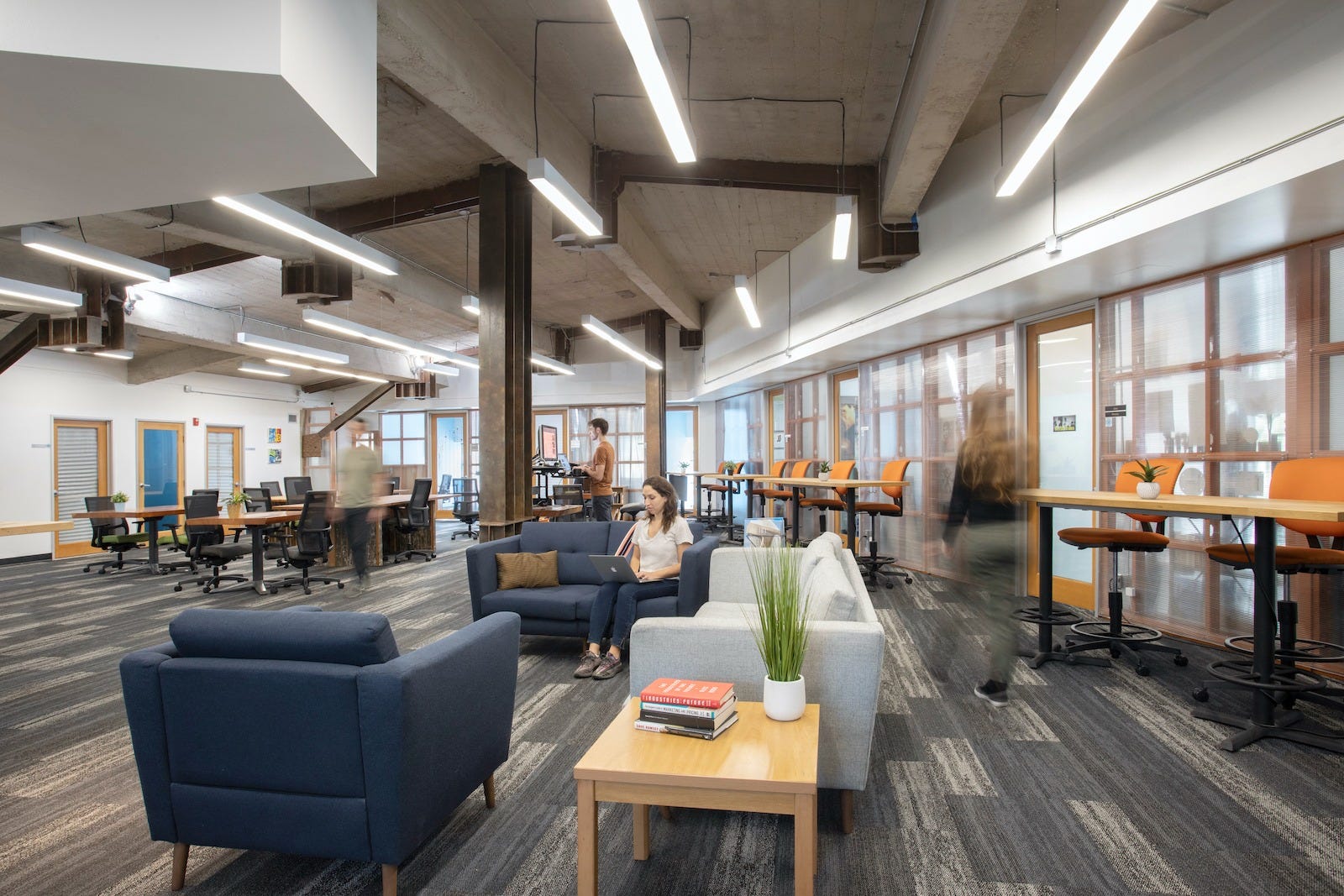
Over the years, I’ve learned the craft of coworking architecture, not just every square foot or square inch of the space, but also how design impacts operations and immediately impacts user experience.
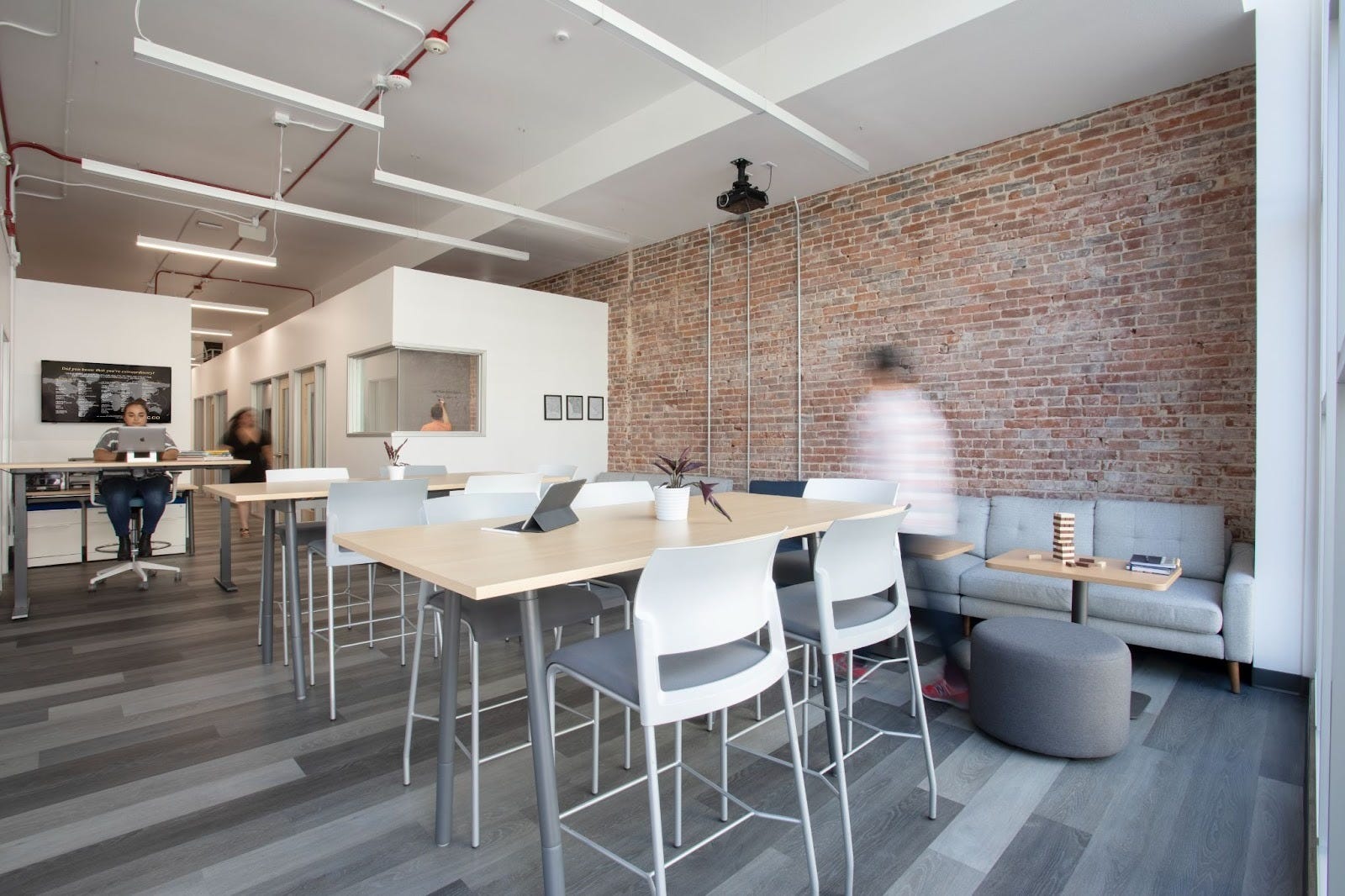
Yes, I have the opportunity to be my own client and design a whole bunch of my spaces. However, I didn’t design all of them because we inherited what’s known as second-generation spaces (previous coworking spaces). So, my design contributions included adding lighting, paint, carpet, and some finishes.
But with our other coworking spaces, I literally started designing them from scratch. They were bare walls and floors. That’s been really good; it’s tested me on what I can do when I have a blank canvas, versus a canvas we inherit from someone else.
4. In your view, why does coworking naturally support communities of entrepreneurs and freelancers, and what more can be done to promote this?
Jerome: We currently have eight locations and five markets. We’ve started to understand that we can have multiple spaces in the same or adjacent neighbourhoods, and treat them as a region.
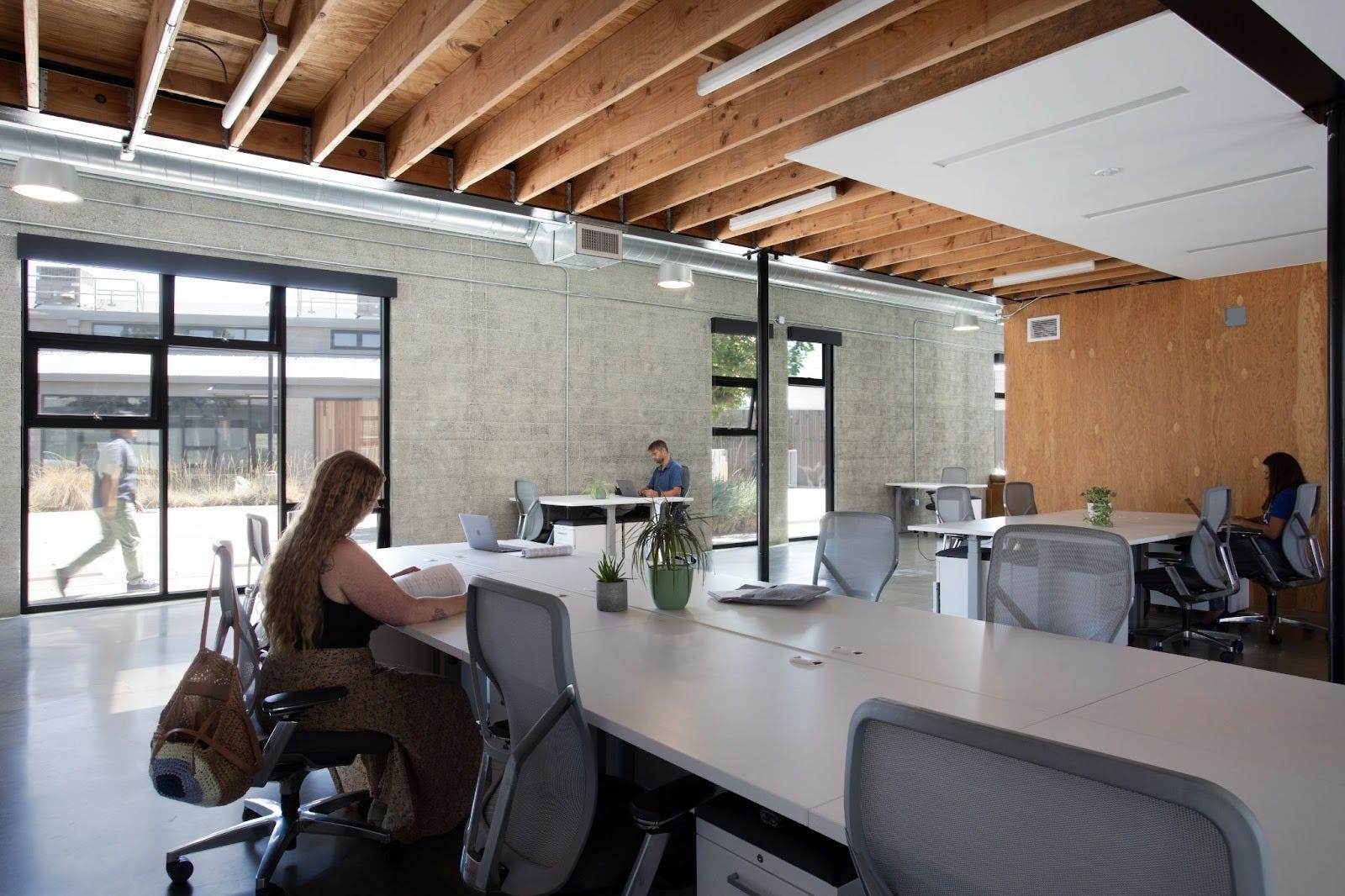
For example, we have one coworking space in Venice and another in Santa Monica (on the border of Venice). If we treat one as a neighbourhood spot, it’s only about 600 square metres, while the other one is 5,000 square metres – a behemoth.
Some people love that big, active vibe. Other people really like the neighbourhood, the quiet vibe. We’re able to offer both audiences and operate them differently, and understand how to scale up and scale down our operations.
The coworking and flexible space industry is much more fluid and quicker to respond to market demand than the traditional real estate industry, with coworking being more consumer-oriented. The biggest difference now is that corporates and enterprise companies are looking at coworking to meet some of their office needs. We’re grabbing that, which makes our sales process much quicker.
Our branding says: “Work for yourself, not by yourself.” We really cater to anyone and everyone who just needs a workspace.
75% of our community members are entrepreneurs and freelancers, but 25-30% are corporations. They want to feel entrepreneurial, and they like that vibe, joining our spaces and community to absorb that, even though they themselves are not entrepreneurs or freelancers.
The freedom of choice is quite liberating. Our Venice location was the corporate headquarters for Snapchat, so pre-pandemic, their employees had to come in and work there. Whereas now, people can choose to go to that same workspace. You can amenitise it, but the number one thing is the freedom of choice.
Choosing where and how to work is liberating, too. Those who work fully remote all the time have doubled in numbers since the pandemic. We, coworking spaces, could do better just by focusing.
5. Why did you launch ‘People of Coworking,’ and what gap were you hoping to fill in the industry?
Jerome: For a number of years, a bunch of us attending industry conferences got more and more dissatisfied with what we were seeing in the industry.
First and foremost, the most obvious was having all men on the panels; that was disheartening. But for some of us, we were also disappointed in the lack of diversity on stage. In terms of inclusion and equity, it’s setting us back.
I understand that conference organisers need to maximise attendance and price, so they go with what offers better ROI. But by not diversifying, they’re perpetuating a certain set of attendees and an ethos.
Either way, a bunch of us were quietly and separately discussing this, and I just got motivated to address this specific topic.
‘People of Coworking’, an initiative I started in 2023, is a double entendre. It stands for people of colour, and the idea was to nudge coworking organisers to diversify speakers at events.
Its strength in numbers; if the attendees can publicly pledge that they themselves would not speak on stage unless it’s diverse, then we can encourage conference organisers to realise that it’s time to make some changes.
The second initiative is that ‘People of Coworking’ lists ethnically diverse people who can and should be on stage. Some of them have been on stage. It’s a resource for conference organisers to tap into. The least we can do is diversify the programmers and public events, making debates more diverse.
About People Make Coworking
Celebrating the people who make up the fabric of the global coworking movement, People Make Coworking interviews coworking founders who share their journeys of building communities and workspaces.
Edition #19 of People Make Coworking interviews Jerome Chang at BLANKSPACES.
If you’d like to share your story in ‘co’, please get in touch. I’d love to speak with you for a future feature.