


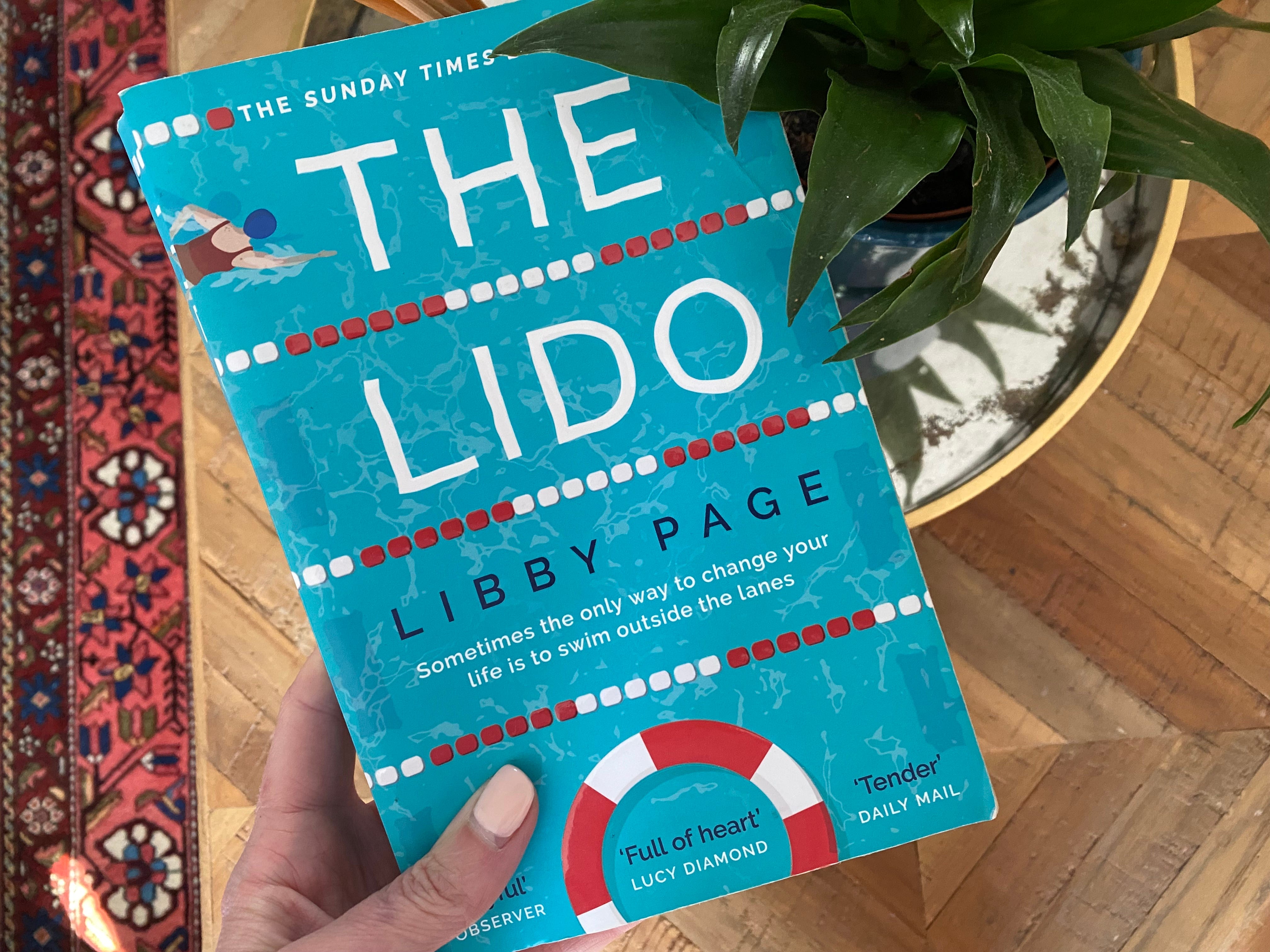
A few days ago, I finished Libby Page’s The Lido, a beautifully written story set in Brixton. The plot revolves around a plan to transform the much-loved Brockwell Lido into a block of flats (don’t worry, Brixton residents, it’s not a true story), and the lido users coming together to protect it.
Kate, the 26-year-old protagonist, who works for the fictitious Brixton Chronicle, is asked to write about this news. That’s when she met the lido’s most regular member: 86-year-old Rosemary. Over time, the two form a deep friendship and come together in response to the lido’s closure along with the wider community.
I won’t give too much away in case you read this book, but it sparked many thoughts about the value of community in third places (informal meeting places that aren’t the home nor the office). Let’s get into it.
How third spaces combat loneliness
Despite being set in a city with nine million residents, The Lido explores how both Kate and Rosemary grapple with feelings of loneliness. Kate moved from Bristol to London a few years ago, but she struggled to meet people and make friends. Meanwhile, Rosemary is deeply impacted by the loss of her late husband.
Anyone who reads The Lido will resonate deeply with the characters’ experiences of loneliness. Whether we’ve moved to a new place, lost someone we cherished, or are simply going through a difficult time, most of us have felt lonely at some point. In many cases, our interactions within third places have led us to feel more connected and part of something.
That’s easier said than done, as finding a sense of connection often requires taking a first step. For instance, when Kate starts visiting the lido to interview Rosemary for the article, she is encouraged to take a swim for herself. Initially, Kate feels self-conscious about changing into her swimming costume in front of strangers, but over time, she becomes a regular at the lido.
Kate also comes to realise that the lido metaphorically, and quite literally, strips away its users’ external markers of identity. In the water, it doesn’t matter whether someone is a high-flying CEO, a police officer, or unemployed – the lido creates a sense of equality, where everyone is simply a swimmer, sharing the same space and experience.
Why third places matter
While the book zeroed in on the lido, other third places were mentioned: the lido cafe (where people lingered and connected), Brockwell Park surrounding the lido, and a library, where Rosemary once worked before it was shut down many years ago. The narrative repeatedly compares the lido’s threat of closure with Rosemary’s reflections on the library closure. She only came to appreciate its significance as a vital community hub after it was gone.
This made me think about a conversation I had with Stephen Carrick-Davies, founder of Facework maker space in Lewisham, earlier this year. With so many neighbourhood spaces disappearing, Stephen asked where people can gather to connect, especially in the winter months (when it’s too cold to swim or hang outside). He says: “At a local level, people need and want to have a deeper connection.”
The book exemplified how places can enable deeper connections. For instance, Rosemary’s best friend and swimming buddy was her former colleague at the library, and another character who comes in towards the end of the book (no spoilers!) was someone Rosemary knew when he was a child.
For me, I’m reminded of my gym in my old neighborhood near London Bridge. One of the regular gym-goers is a barber who owns a shop right next door. Today, as I was about to enter the gym, I bumped into him standing outside his shop. Our connection made in the gym now extends beyond that space, demonstrating how relationships formed in one setting can naturally spill over into others, enriching our sense of community. In fact, our gym group regularly meets up, and we’re having a picnic together next week!
Spaces and a sense of belonging
The lido’s sentimental significance on people’s lives, across all generations, is shared through a beautiful narrative about Rosemary and her deep connection to the lido right from when she was a teenager living in Brixton during the Second World War, through to the present day. Third places can have profound impacts on our lives over a number of years.
Speaking to Suzanne Murdock, managing director and co-founder of The Hub Newry, a few months back, she shared that her workspace is now welcoming a second generation of members, the children of their original members who are now working or studying for exams, who come and cowork at the space. That’s pretty special!
Our conversation centred on the feeling of belonging, something that Suzanne talks about on her own platform. But, I wonder: Is belongingness created by community managers (and their hardworking approach to running events), or is it formed by the community themselves? Is there something needed to spark that organic connection, and how quickly can it manifest?
Quite honestly, this topic is so nuanced and complex, I don’t know if anyone can answer it. However, when people do feel connected, and that they belong in spaces, that experience is so powerful.
The legacy of third places
The Lido highlights a truth: that third places offer more than just physical spaces – they create opportunities for connection, belonging, and shared experiences. These spaces bring people from all walks of life together, creating relationships that ripple out into the broader community.
Yet, the book illustrates that the survival of third places is often threatened by financial pressures and the undervaluation of their societal impact. The lido’s struggle mirrors the challenges faced by many libraries, parks, and other communal hubs across the world. Even coworking spaces, despite many operating for profit, face similar challenges in maintaining a balance between business sustainability and the intrinsic value of community-building.
Coworking spaces often rely on community engagement and the intangible benefits of connection, things that aren’t always reflected in the bottom line. So, let’s continue to fully engage with our third places, coworking hubs, and community spaces — and reflect on some of the incredible stories those spaces have written into our lives.
Do you have any stories about a third place that means a lot to you? I’d love to hear it.
Grab your copy of The Lido here. I use affiliate links to help fund this newsletter and support indie bookshops. Thanks for reading and for supporting both!