


If you’ve ever felt exhausted trying to create a coworking community that sticks, you’re not alone. Over the last eighteen months, I’ve been building a community of freelancers here in London. I didn’t set out to do it, but after co-hosting a meetup in my workspace and seeing it succeed, I realised something bigger needed to happen.
At first, I loved running community events. The smile on people’s faces as they walked through the door got me hooked on building a brand, writing weekly emails, and brainstorming partnership ideas (with an amazing co-founder). Between events, I reached out to community members personally and celebrated their work wins. Some members even found new friends at our events – that was the best feeling.
Recently, however, I’ve felt my candle burn at both ends. While it’s a pure joy attending our events, the organisation and lead-up require a great deal of effort.
Dipping my toe into community building has given me huge admiration for the people building coworking communities every day. You’re the ones bringing people together and running your physical spaces like clockwork. That’s a hell of a lot of effort, and I applaud you.
The question is: how can we build a community while making the exercise feel more rewarding and not tiring out? Let’s dive into this topic further.
Identifying ‘star players’
The saying ‘you can’t have it all’ really runs true when you’re building a community. That’s why many operators hire community managers to help manage the people and hospitality side of the business. But not everyone has the capital to do this, and guess what? Even community managers tire out.
But while community managers are fantastic additions to your team, there are people in your coworking community right now who play a similar role. Can you identify an individual in your community who others naturally gravitate towards? That’s your ‘star player’.
The term ‘star player’ was something I came across while working in the coliving industry, to describe a member (someone who isn’t employed by the business), who naturally does the work of a community manager, and is instrumental to building a thriving community.
I recall one coworking member from the space I was part of for two years who stood out as a ‘star player’. He spoke to literally everyone in the community, came to all the meetups, and was even involved in other people’s projects (a lot of them, in fact). He made everyone else’s experience of the workspace so enjoyable.
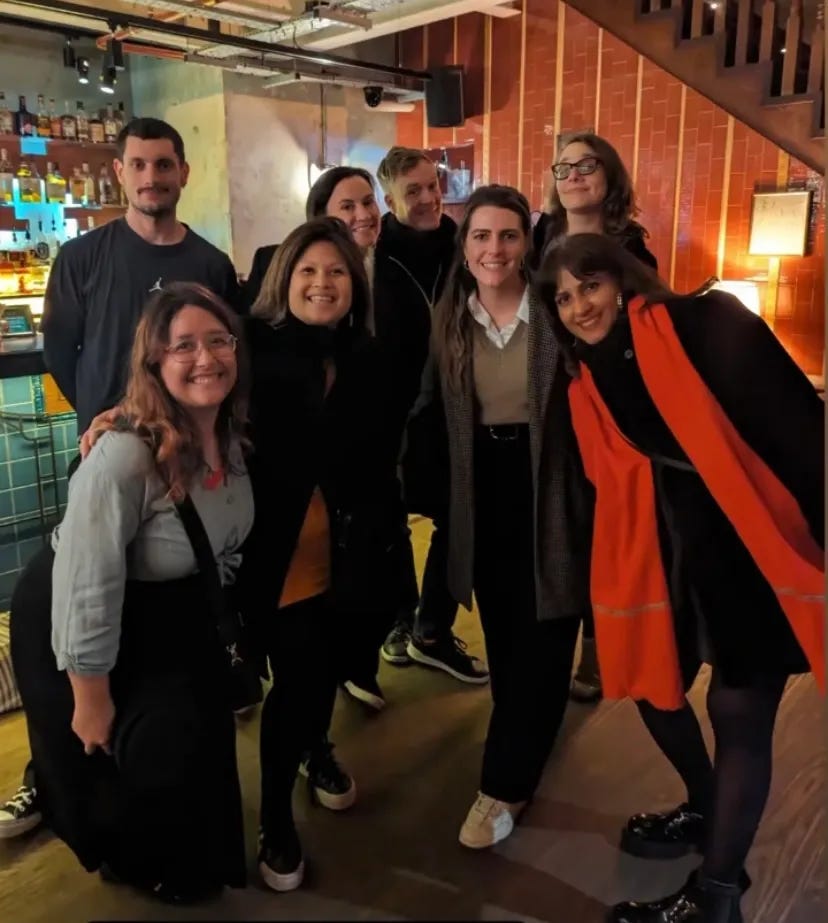
Not only that, but he brought in new members. The beauty of valuing your ‘star players’ is that they will naturally help grow your business. So, find them, reward them, and keep them, most importantly.
Make sure your ‘star player’ knows there’s an incentive for referring new members (a free month or huge discount is standard), and regularly check in with them. Looking after your ‘star player’ is a great way to naturally build a tighter community.
It’s not all about events
‘Star players’ can also be instrumental in building community through events. But not the standard lunch and learn stuff or after-work socials that we see in many coworking spaces.
I used to love the idea of coworking events and preach about why they matter. But after speaking to a few operators recently with different approaches towards events, my outlook has completely shifted. The truth is: coworking events can sometimes feel a little forced.
I’ve been reflecting on the events I run lately. In the days before an event, I’ll anxiously WhatsApp community members to check whether they’re coming along. I feel so guilty about contacting them personally, like I’m pushing them to come along to something they’re not that fussed about.
Now my outlook has altered, and it’s why our next ‘event’ will be a casual coffee catch-up in a hotel lobby, rather than the usual structured workshop. This time, I’m not bothering anyone over the weekend.
Skipping formal events might feel like a risk, but it won’t lead your community to disappear completely. In fact, many communities thrive outside structured gatherings. For example, I’m part of a thriving gym community that attends the same classes every week and hangs out beyond the space. This is key: we meet up outside the space.
This isn’t forced fun; in fact, the gym organises events, but I’ve never been able to attend. Nonetheless, I’m a very active member of the WhatsApp group and always go to events organised by group members. One guy is certainly a ‘star player’. He invites us all around to his place every so often for a group dinner, and it’s always a relaxing and enjoyable way to connect.
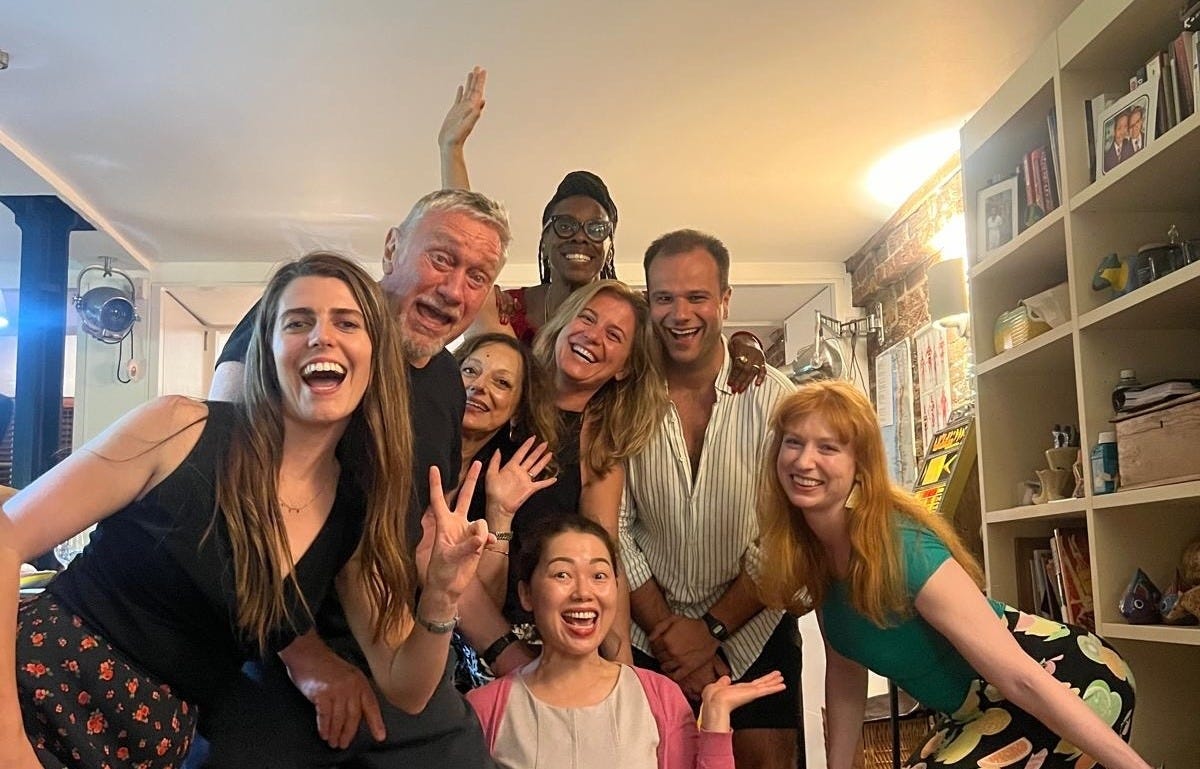
My involvement in these casual meet-ups encourages me to go to the gym more. In fact, I went to TRX today when I could have been chilling in the park in 29-degree heat! But I was looking forward to catching up with friends (and I can reward myself with pizza and chocolate this evening).
In a coworking context, the connections and interactions that happen outside the workspace can often have a bigger impact on your community than the events you organise within it.
Do your members self-organise meet-ups beyond your workspace? If so, that’s a great step towards building a more connected community. Have a think about how to incorporate these more naturally into your impact activities.
Creating a killer onboarding experience
Running a space with a close coworking community is the dream, but a group that’s too tightly bound can seem like a clique from the outside. A clique that doesn’t let new people in is problematic, causing you to lose new members who feel excluded from the outset.
How do you avoid having a clique? Well, someone who joins your workspace will only return if they feel welcomed and included. Even better, if they connect with someone else in the space. Make sure this happens during their first visit.
I didn’t have this experience when I joined my first coworking space in London. The community manager touring me around was friendly but didn’t follow up with sign-up details as promised afterwards (I had to ask). When I went along for my first day, another community manager greeted me with a frosty attitude every day. She never asked any questions, simply buzzing me into the hot desk area without a word (awkward!).
Because I didn’t connect with the community managers, I had a hard time meeting any members. One day, the coworking space hosted a brunch event. Thinking this would be my chance to finally meet someone, I went along. But the ‘event’ consisted of the community managers placing food out on a table, announcing the brunch was ready, and everyone grabbing their plate of food, returning to their tables to eat in silence in front of their laptops.
I handed my notice in shortly after the brunch event, lasting roughly three months at that coworking space. Not long after, I discovered another coworking space. But before joining, I organised a couple of trial days to test it out.
The first time I arrived, I was greeted by a friendly community manager and was made to feel really welcome. By the end of my trial day, I was chatting with two lovely members. I tried the space out again the following week (just to make sure) and had a similar experience. I ended up staying at that space for two years.
Onboarding new members doesn’t require a rigid process; simply making them feel genuinely welcome often does the trick.
Community building takes time
When we walk into a space, we can usually tell if it’s for us or not. It’s often a gut feeling. But social dynamics, like any relationship, take time to connect, build trust, and feel a true sense of belonging amongst other people.
Ultimately, I have to accept that eighteen months isn’t long enough to build a community, especially when I think of how long it’s taken me to integrate into communities myself and feel truly connected to people (I’m a slow burner).
So, I’m giving myself a break. At least until the summer is over. Maybe in the autumn I’ll be back up to running the events properly again, who knows.
This is your sign to give yourself a break, too. I’m sure your coworking community is thriving. Sometimes, you just need to step away for a moment to appreciate just how far you’ve come.
I’d love to know: how active are you in building your community, and how do your coworkers self-organise beyond the workspace?
Stay tuned for next week’s People Make Coworking interview, because some of these topics come up. It was such a brilliant one to produce, and I can’t wait to share it with you on Thursday.
If you’re signing off on this beautifully hot evening, I’m wishing you a lovely (sunny) weekend ahead. See you next week,
Lucy