


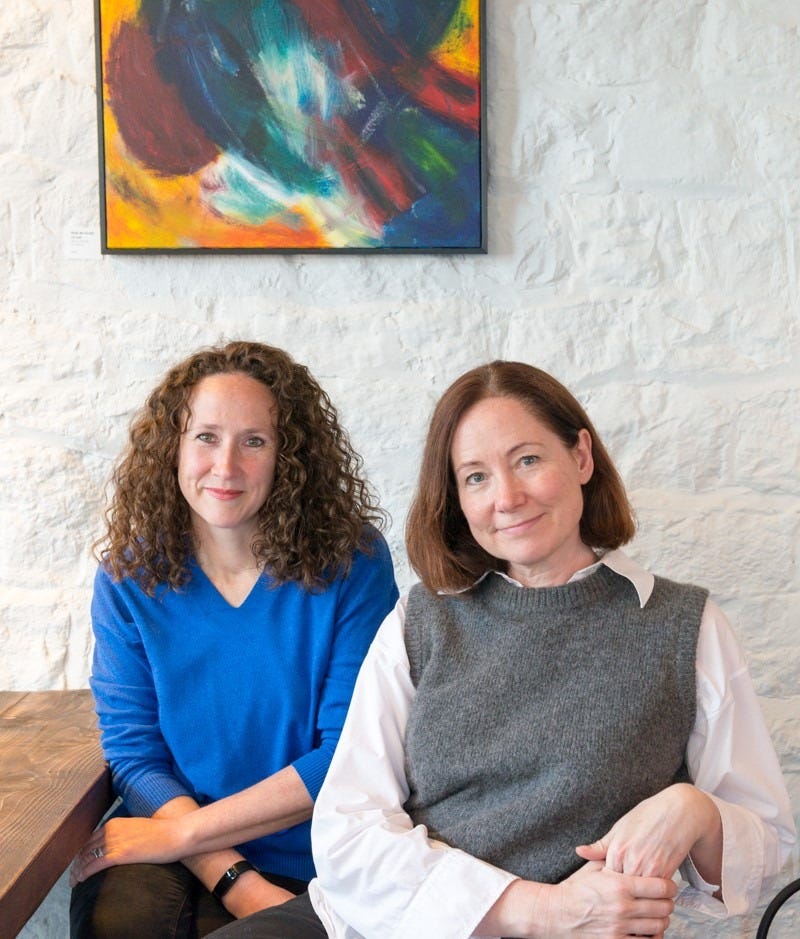
When the pandemic reshaped the way people worked, sisters Sandie Johnston and Cathy Emmins realised it also changed what people wanted from work.
Having experienced the challenges of working from home herself, Sandie recognised that the future of work needed something different: spaces that offered flexibility, but didn’t lose the human connection. She combined her expertise in events management with her sister’s interior design skills to open LIME TREE WORK SHOP in 2022 – a beautiful, design-led coworking space in the commuter town of Sevenoaks, Kent.
Four years on, LIME TREE WORK SHOP has become a hub for local business owners, establishing itself as a place of care through life’s ups and downs. LIME TREE WORK SHOP proves that the future of coworking isn’t just in city centres, but much closer to home.
In this conversation, Sandie reflects on bringing an abandoned warehouse back to life, the role of local coworking spaces on regional ecosystems, and how the everyday conversations and connections in workspaces can be just as valuable as the work itself.
1. What inspired you both to open LIME TREE WORK SHOP, and why did you feel Sevenoaks needed a coworking space?
Sandie: My sister, Cathy, and I have always talked about whether or not we could and should work together, but our lives took us in different directions. I worked for an events agency, while she ran an interior design practice.
When COVID came about, the meetings and events industry wasn’t the place to be, so I took voluntary redundancy, and my sister was on a sabbatical. We felt we should do something together, and brainstormed a number of ideas.
We settled on coworking after I struggled to work from home during COVID, especially while having calls that lacked the casual conversation you were used to in-person. The world of work had fundamentally changed, and we saw local coworking as a positive outcome of COVID.
Sevenoaks is a prime commuter town, and it was crying out for a local coworking space. We grew up here, so it made sense that this is where we would start. I still live here, and have a lovely 15-minute walk to work.
We started doing our homework to find out who we would be competing with. There was a tiny independent coworking facility here for about eight people, but it wasn’t about building a community – that was really important for us. We also discovered that the council was opening a facility, but it had a different price point and offering.
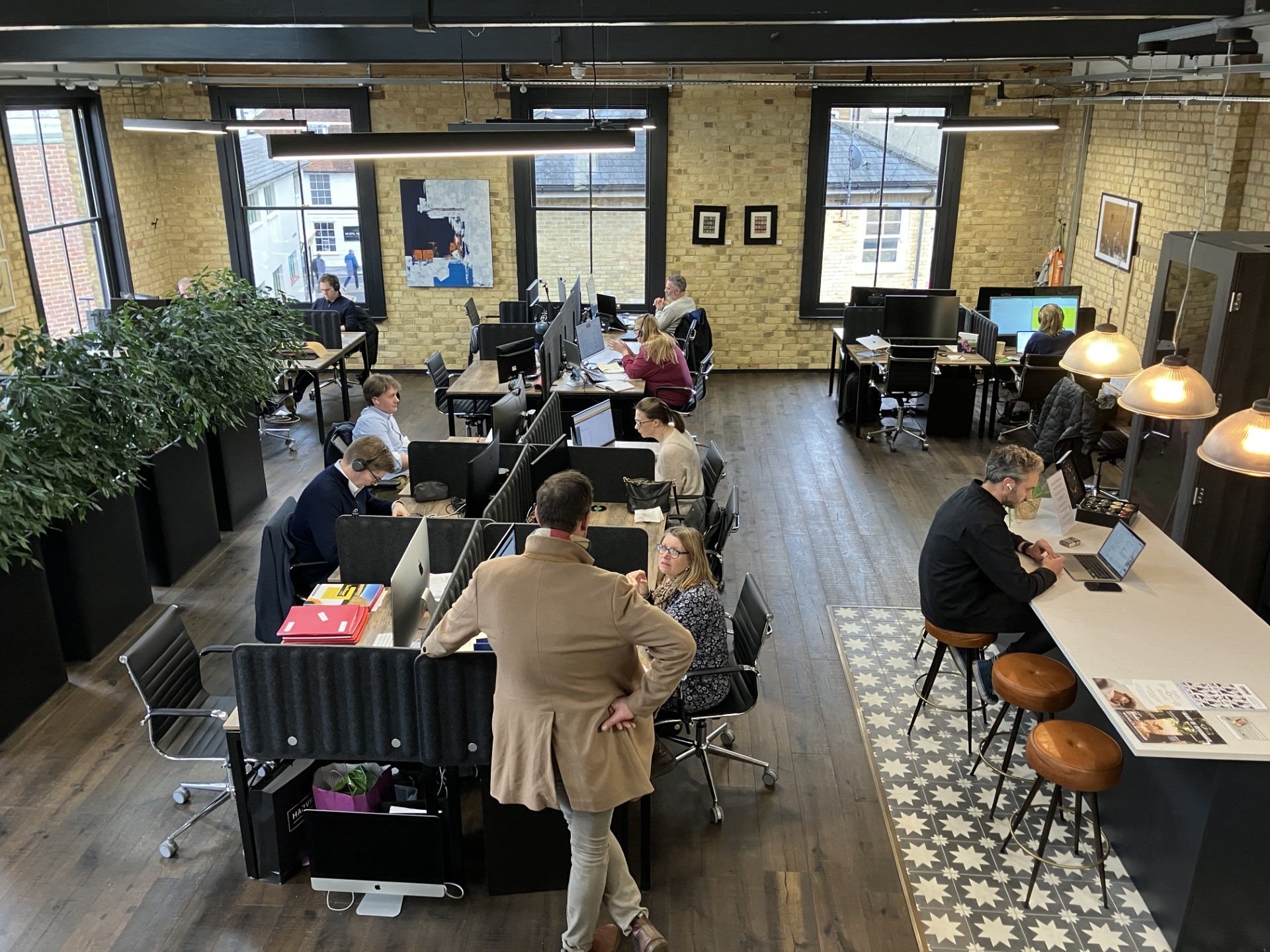
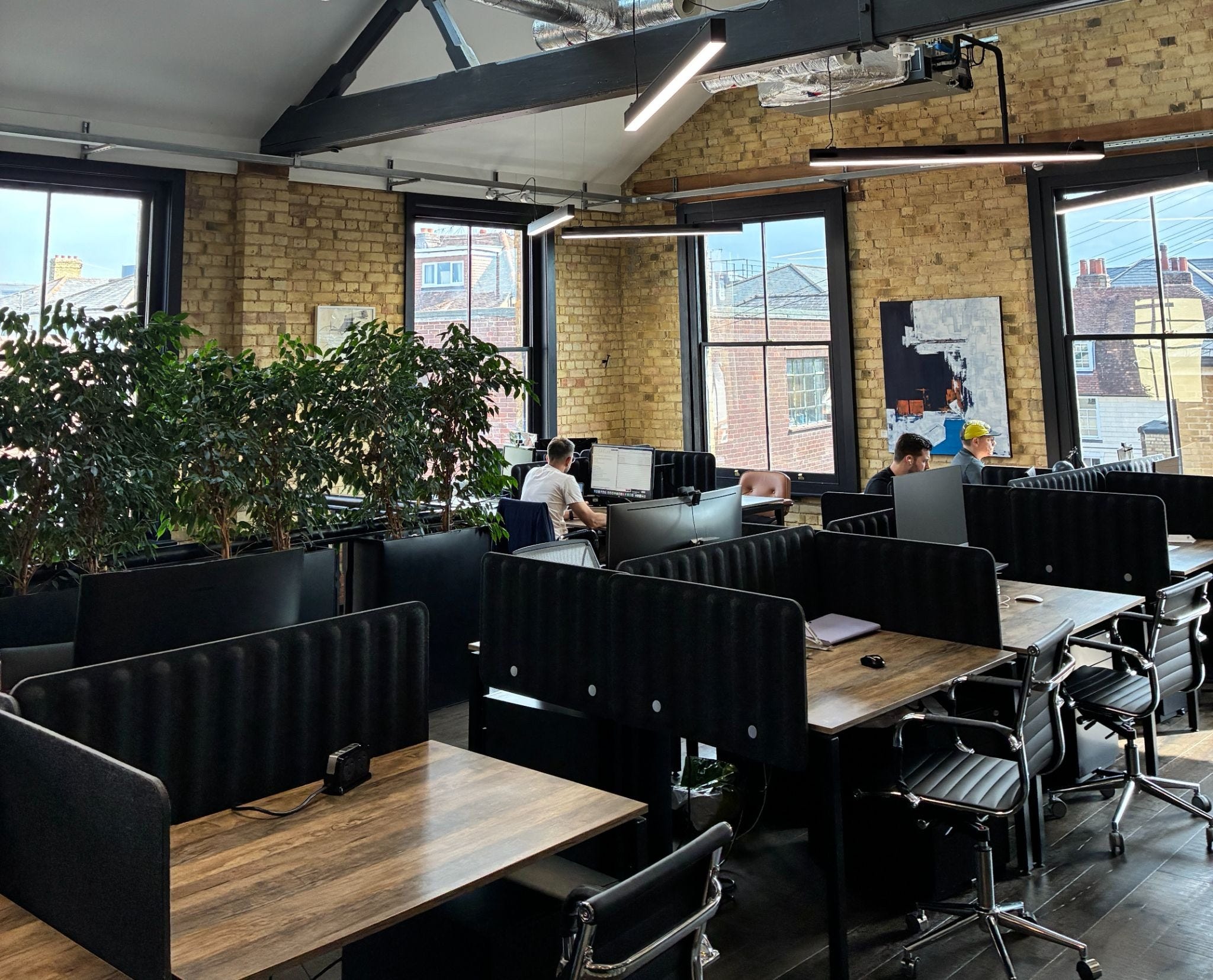
At LIME TREE WORK SHOP, we have hot desks, dedicated desks, and private offices. Across all three, we have some people who work for larger organisations with London offices, but they don’t have to go in five days a week, though that doesn’t mean that they want to work from home the rest of the time.
2. You’ve breathed new life into a former warehouse. How important was it to preserve the character of the building while designing a workspace that people enjoy spending time in?
Sandie: When we started our journey, we didn’t necessarily know what we were looking for because we were quite new to coworking. We started looking for anything that was available on the local market, but most of it was traditional office space that needed a big transformation.
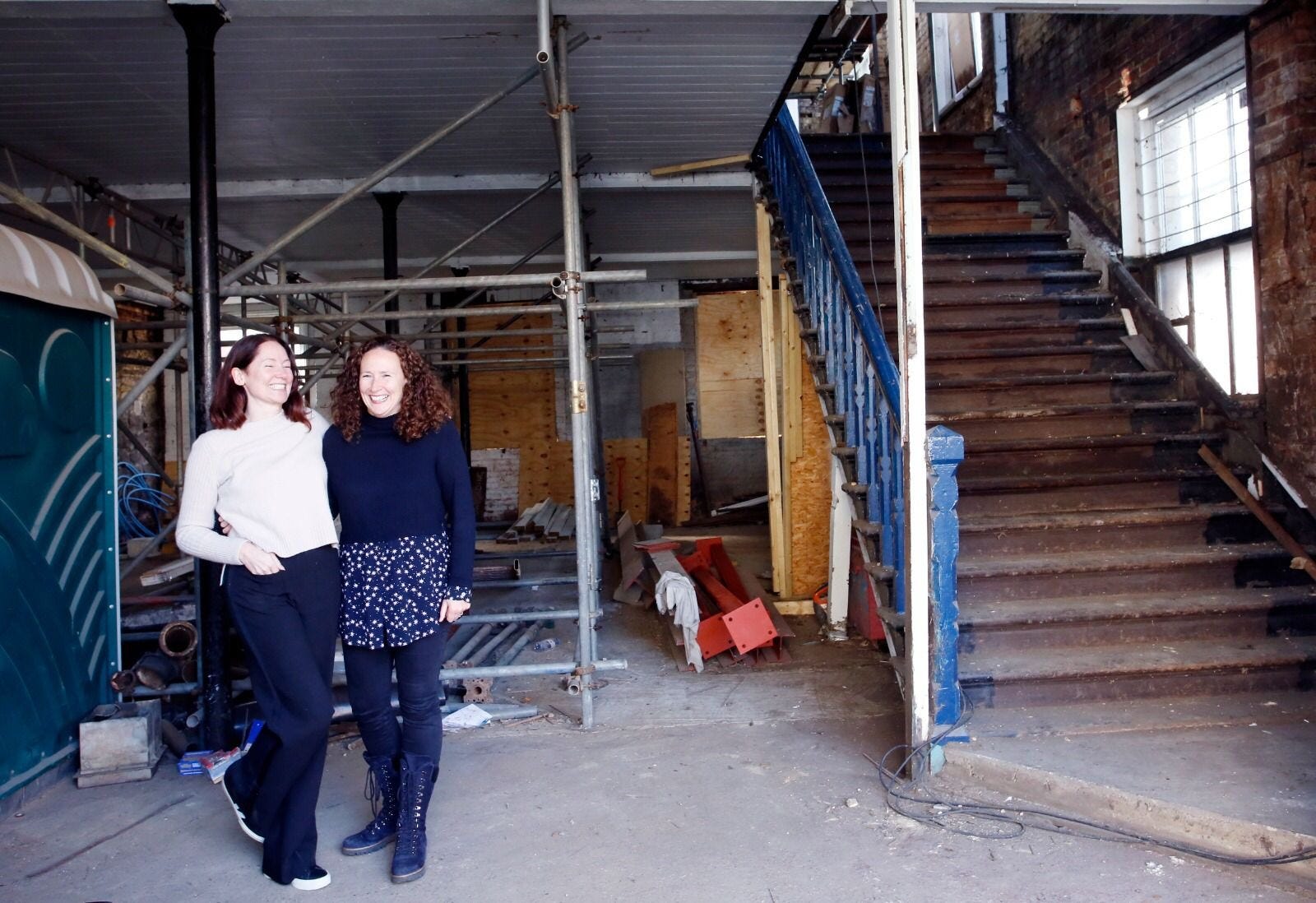
We’d seen the warehouse we’re in now back in 2020, but it was derelict and we didn’t know who owned it. There were no signs it was for sale, but from a timing perspective, we were fortunate that our commercial agent happened to know who bought the property in early 2021. We were introduced to our landlord in July 2021 and opened in April 2022.
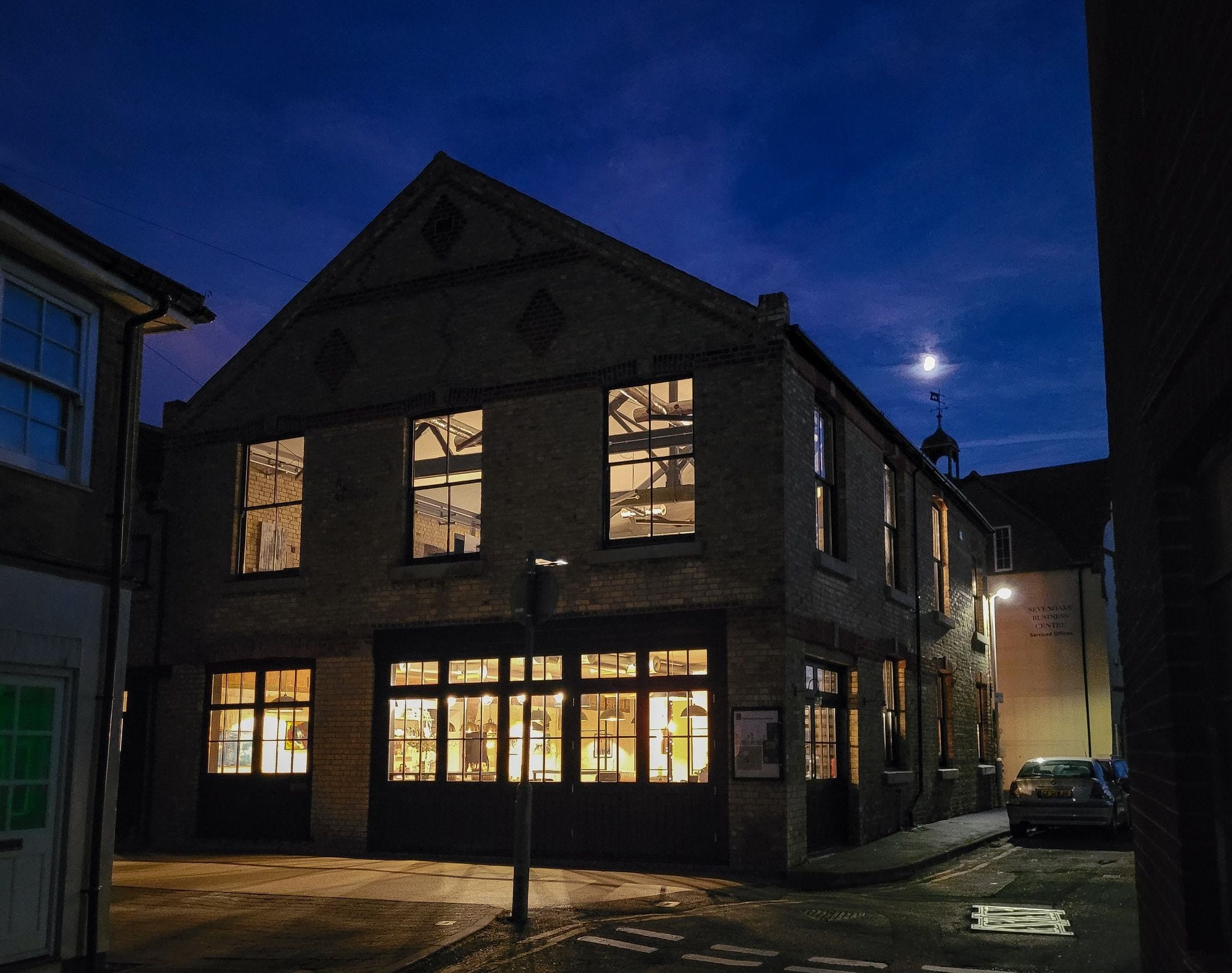
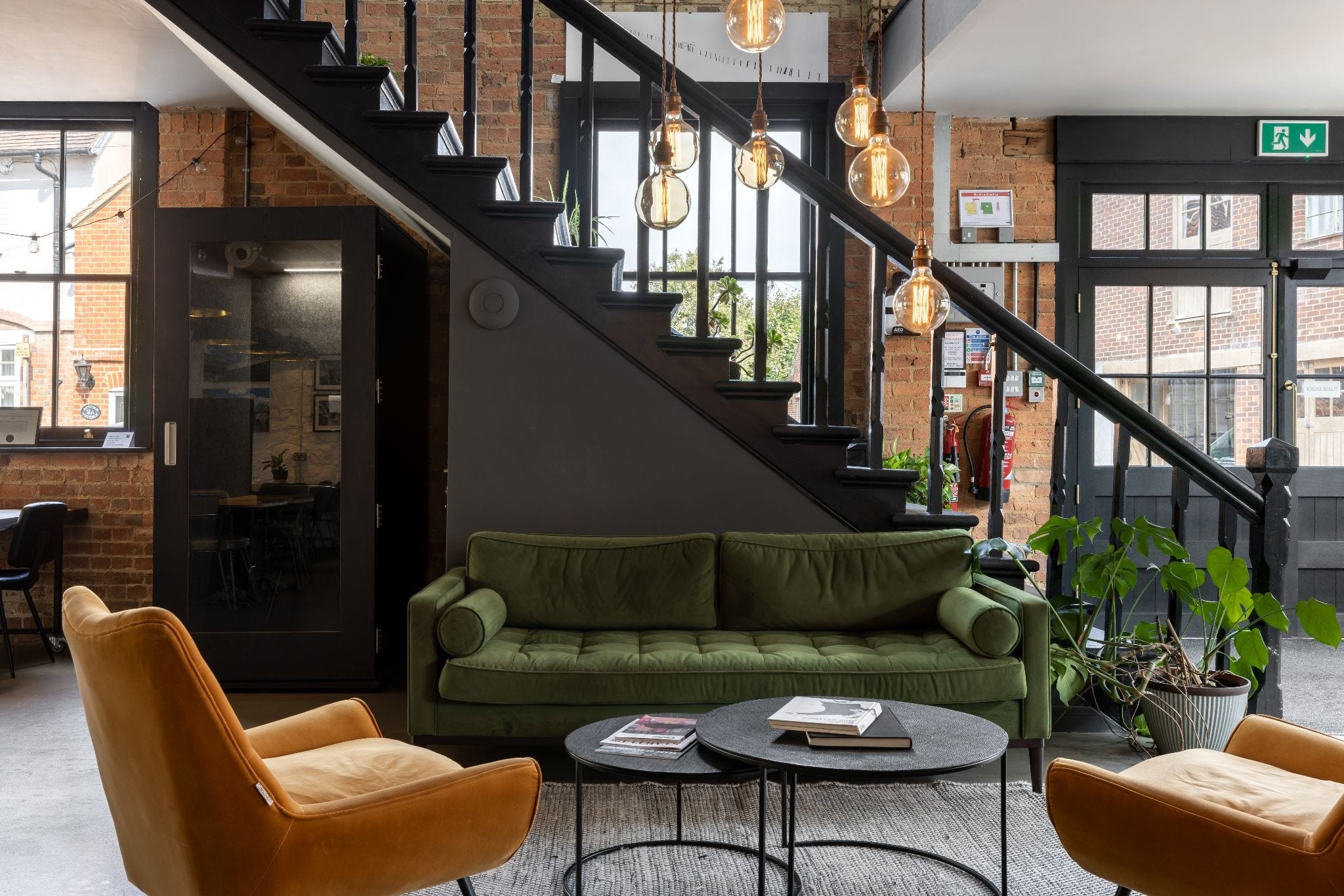
The building was filthy, had bricked up windows, and there were pigeons living in it. But we could see the bones of the building were stunning, as it had high ceilings and the potential to flood natural light in. I knew that my sister would create something wonderful because it was such a lovely building in the first place.
Working as an account director with FTSE100 clients previously, I was going to lots of offices where you could see the potential. It made me realise that our workspace needed kitchen facilities, meeting space, and a social point to interact. Our furniture is flexible so we can move it for events.
We’re a design led, beautiful town centre offering. Being in a creative space makes such a difference; we’ve gained members who tried other coworking spaces in the area, even as far as Tunbridge Wells, a twenty minute drive away. Those members work in a creative industry, and didn’t feel inspired.
Over four years later, I’ll still walk into our space and feel proud that we did this – we created a beautiful space that everyone is complimentary about.
3. What was one of your biggest challenges when you set up LIME TREE WORK SHOP?
Sandie: In the early days, our biggest hurdle was our landlord who never came across the coworking concept before and couldn’t get his head around it.
We sent him our business plan, and he wanted to see some of Cathy’s previous work, and then he came back to us with a link to FORA.
Our building is across two floors, with a main space and side section. Our landlord’s original plan was to have the whole side section as residential, and just the ground floor central space as commercial. But by the end of COVID, he realised that people didn’t want to live in flats without outside space. Our vision was to have the whole building, and he let us have it.
Timing played a big part in this, along with my sister’s design skills and me winning it with a spreadsheet to get the funding together. But starting out was a tough journey. We didn’t know week by week if we would get there, and whether we’d be able to raise enough money.
A lot of people understand coworking now, but we still have people knocking on our door asking what we’re doing, and whether they need to pay for it. Now we’re four years in, we’ve noticed that coworking is talked about much more.
4. Many people crave the flexibility of working remotely, but it can also be isolating. What differences have you seen in people once they start working around others?
Sandie: People tell us that they’re lonely or unproductive at home, distracted by the fridge, the dog, the doorbell and the washing piling up. But when you’re paying to be in a space, you’re not doing your online shopping – you’re there to work and focus.
We also know what our members are going through, some of them having challenges at home and they just can’t be there.
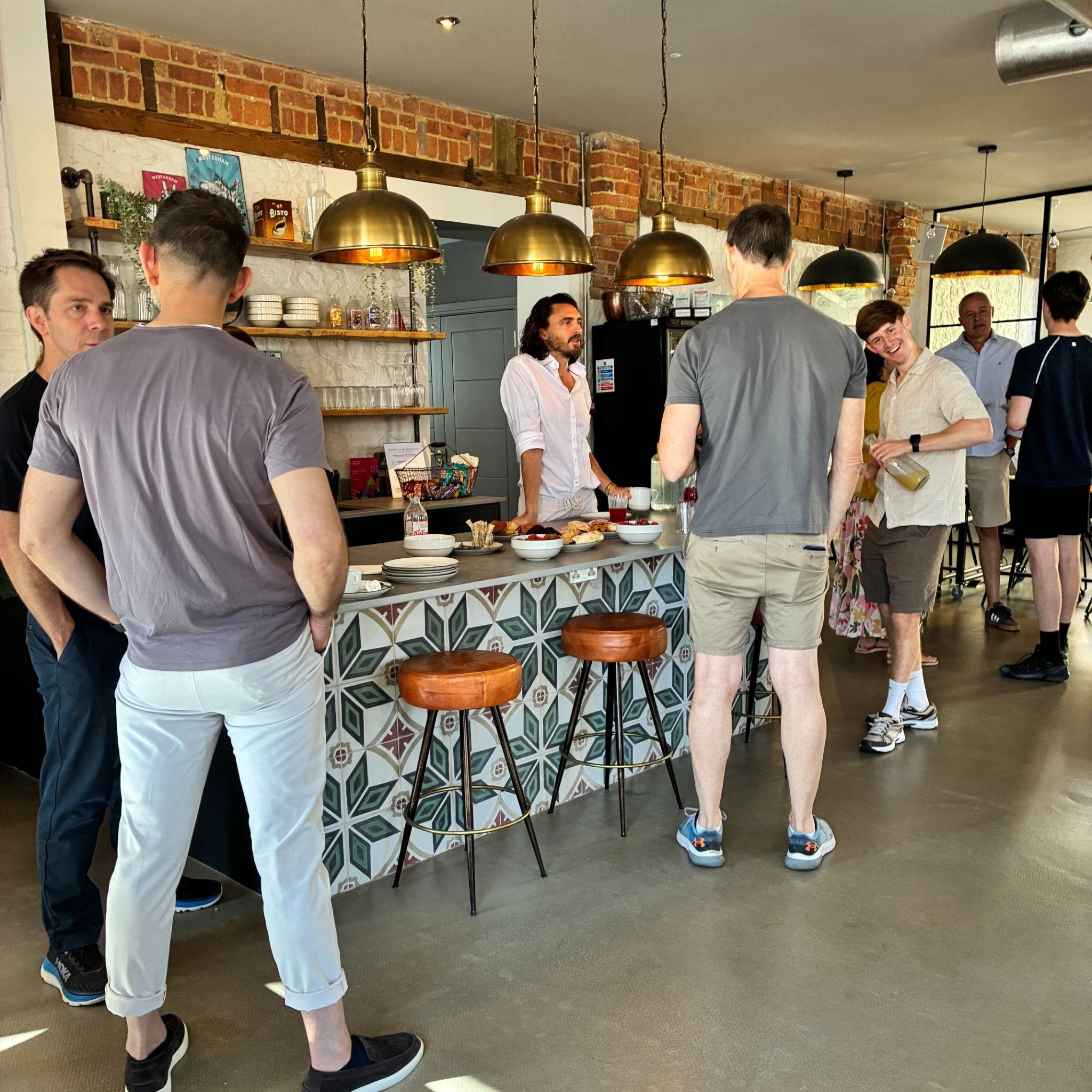
We’re a friendly face; we know what their coffee order is when they come through the door, and we’re making their first one for them, getting them settled, and asking them how their weekend was. We might be the only people they talk to, but they’re talking to somebody when they might not have that option at home.
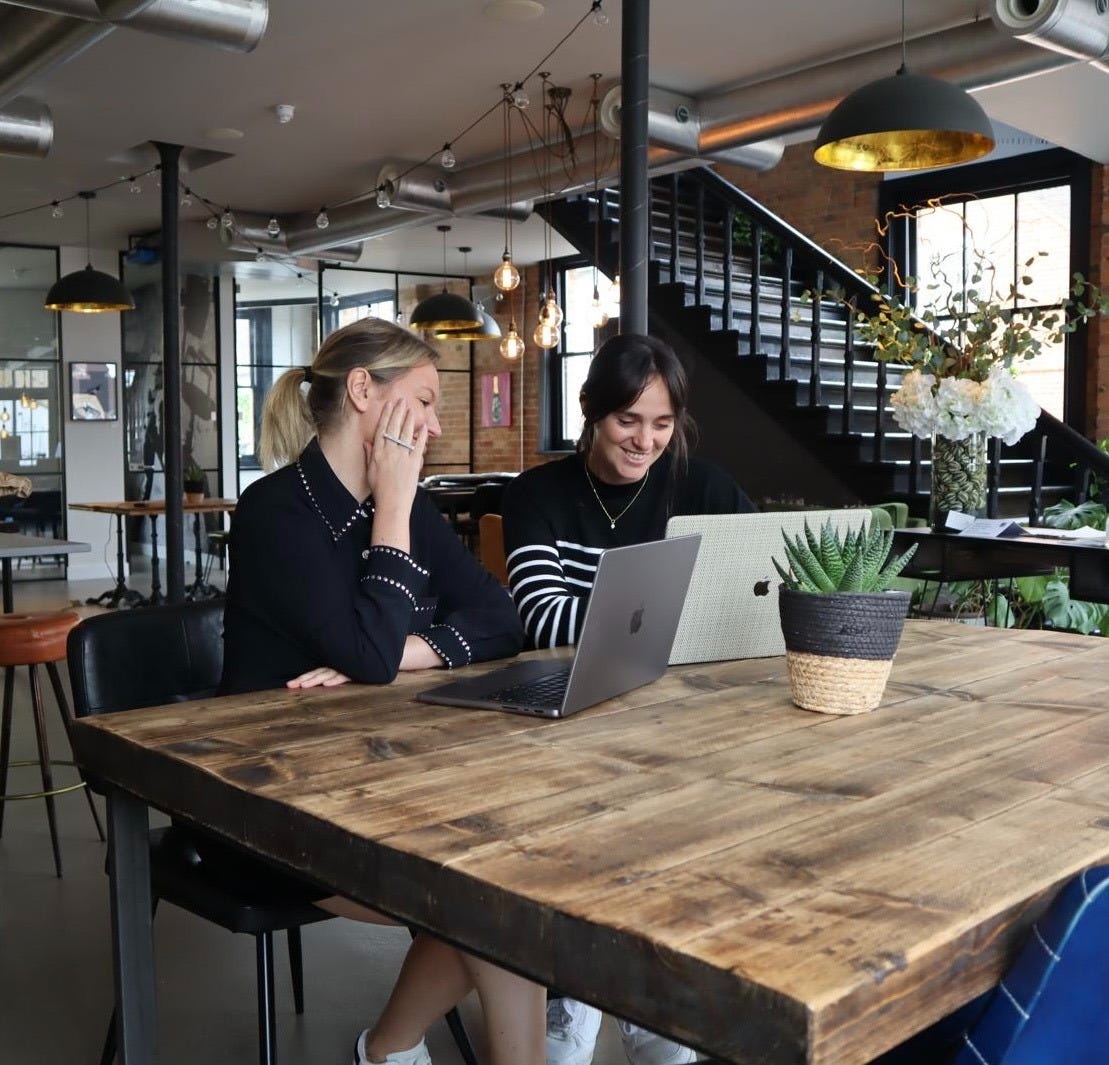
Not everyone has a job that involves social interaction either. We have some authors in the community, who can go for days without having a conversation with anyone. Cathy and I provide a friendly welcome – you’re hearing the buzz and chat around you, and that counts for so much. It’s not coffee shop buzz or children. You’re hearing professional work conversation.
We’ve made recommendations to introduce people to each other, and a couple of peoples’ teenage kids have done work experience for other members. Somebody got permanent employment with one member through another.
A few of our members’ kids are at the same school, so they see each other outside of work. Two members who ended up sitting opposite each other on dedicated desks have formed a business partnership together. Those connections are marvellous.
LIME TREE WORK SHOP is more than just a workspace. It’s a way to grow your business and connections, both professionally and personally, with the benefit of staying closer to home.
5. Do you think coworking spaces have a role to play in supporting local high streets and independent businesses, and what impact does LIME TREE WORK SHOP have on the Sevenoaks community?
Sandie: It’s not something that we can formally measure. But, despite us providing lovely tea and coffee, we have many members who come in with something they’ve bought in a local coffee shop. Many people here support the town’s food and beverage scene.
At local coworking spaces, you also have the opportunity to do your life admin. You can nip to the post office, or go out for drinks after work. A lot of working parents will go to one of the local shops to pick up a football kit or school uniform at lunchtime, for example.
We know we’re making a positive impact. We’re potentially bringing at least 30 people into Sevenoaks town centre everyday who would otherwise be in London or working from home.
Our impact goes much wider than just supporting the high street. We make local introductions, and connect our members to accountants, solicitors, or web designers in the building. We make recommendations for local business owners who don’t have a physical high street presence.
We’ll do anything we can to raise a member’s profile. We use socials, such as LinkedIn and our newsletter, to spotlight our members and highlight what people are doing. If you want to give our members a benefit, we’ll promote your business on our app.
There’s so much we do to keep it local. This was one of our original aims when we wrote our business plan: to support the high street and the town that we grew up in and love as much as we possibly could.
Following the London Coworking Assembly event that I attended back in May, we put a post out on socials that we wanted to help a local startup, charity, student, or someone running a positive impact company as part of a social value project.
We’ve just given a free desk for three months to a local business owner who is building a consultancy around neurodiversity in adults who’ve been diagnosed later in life to help them discover different ways they can navigate their diagnosis, whether that’s ADHD or something similar.
We were supported to attend the London Coworking Assembly event by our technology partner, so we’re paying it forward. Those discussions at the event led us to consider what we could do to help people who perhaps aren’t in a position to afford a coworking space. We’re super pleased that we can give something back.
6. What do you think people want most from a local coworking space today that they couldn’t get five years ago?
Sandie: COVID taught us we can work remotely, but as it went on for a long time, we also discovered that we don’t all love working remotely.
Working from home doesn’t mean you have a fully functioning office at home. You might be working on a stool at the kitchen worktop – that’s not sustainable every day.
Before, people were commuting to London, or any big city, for coworking. It wasn’t in the local towns or local communities. But if an hour’s journey each way can be saved, that’s huge. You’re home for the kids going to bed or you can get a sense of life balance back.
We don’t stay open late; we close at 6.30pm which means you’re shutting your laptop down and leaving the space. This reduces your desire to log back in when you get home, compared with when you’re working from home at the kitchen table. Discovering those benefits have made a huge difference to us.
About People Make Coworking
There are many incredible people who make up the fabric of the global coworking movement. People Make Coworking spotlights coworking space founders and community builders as they share their journeys of how they bring people together.
Edition #32 of People Make Coworking interviews Sandie Johnston, co-founder of LIME TREE WORK SHOP, a beautiful, design-led town centre coworking space in Sevenoaks, Kent.
Read more coworking stories and get in touch if you’d like to be featured in this series.