


Having spent four decades working in commercial property, Robert Schogger’s approach to workspace has always been shaped by a simple observation: many businesses don’t want the rigidity of a traditional office lease.
In the 1990s, Robert co-founded Reflex Managed Offices after struggling to find the kind of workspace his property development company needed. Rather than choosing a conventional lease or a serviced office, Robert saw an opportunity to create something in between — a flexible, fully managed office space designed around the needs of small businesses.
That occupier-first philosophy has remained central throughout Robert’s career. After selling Reflex in 2015, he co-founded MetSpace three years later, a premium managed office company for larger SMEs. Since then, MetSpace has experienced rapid growth, reaching 93% occupancy across more than 100 floors across Central London.
As the workspace market continues to shift away from long-term leases, Robert explains why packaging everything businesses need into a simplified managed office space works.
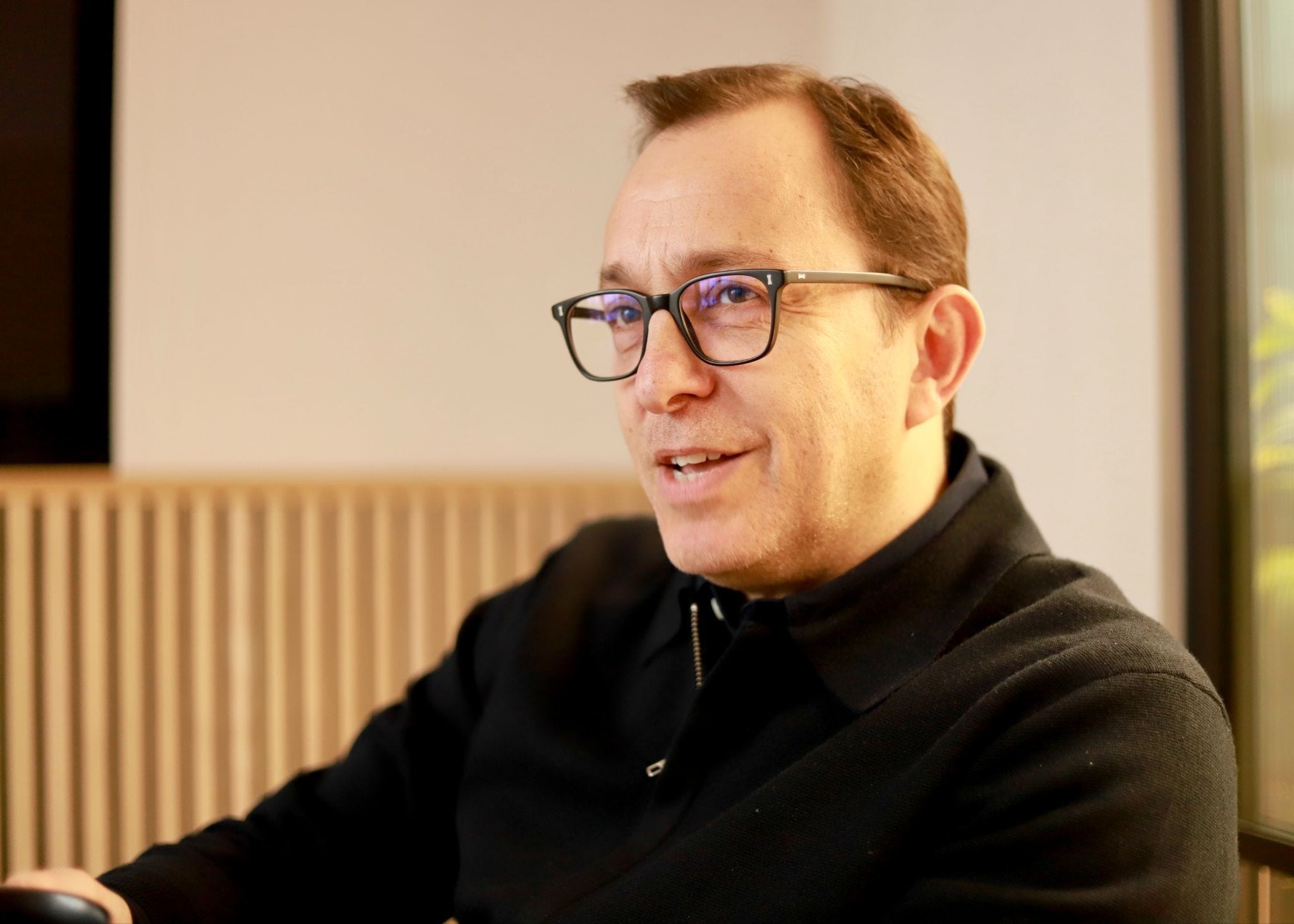
1. Can you tell me about your background in commercial property and the journey that led you to co-found MetSpace?
Robert: I started working in commercial property in the mid-80s for a firm of general practice surveyors in the commercial investment department. We were advising clients on the sale and acquisition of commercial properties nationwide.
It was back when you’d find a job in the local newspaper. I started fetching teas and coffees, getting sandwiches, and taking dry cleaning for my bosses, and worked my way up in the department.
I stayed there for about seven or eight years before jumping ship to work for a client and buying buildings. I always maintained good relationships with the people I’d worked with before, but I enjoyed the excitement of developing and buying buildings on the agency side.
In the 90s, I set up my own property development company with an old school friend of mine, David Cluer, who’s been my business partner ever since (David’s taken a similar route to me, but in residential property).
At the time, we were looking for office space, but we couldn’t find what we needed. You’d usually take a lease on a property from a landlord through an instructed solicitor, but we only wanted a few hundred square feet, so it was either that, a serviced office or a business centre.
Instead, we found a building of about 2,500 square feet and took a long lease on it, with the idea that we’d take an office for ourselves, and fit it out with the bare necessities that we needed, before renting out the rest of the building. We’d then have an office for free, with a bit of income left over.
When we opened doors, we put out a newspaper advert, saying: “Offices to rent,” and filled the space very quickly. That was the start of our company: Reflex Managed Offices.
It became evident to us that we weren’t the only ones who wanted this concept sitting between a conventional office and a serviced office. That was the beginning of the journey to where MetSpace is now.
2. How would you define the term “managed office”, and what role have you played in introducing the concept to the UK market?
Robert: Our view is that all offices are managed. If you own a building and look after it yourself, you’re managing it yourself. But it’s different if you take a lease on a building managed by an agent with a service charge.
People are obsessed with defining something in a particular way and calling it something that makes sense. But it was never about trying to redefine the market; we just recognised that companies wanted something that wasn’t out there.
The commercial office market is steeped in tradition. Up until late, there’s only ever really been one way to offer office space to occupiers: giving the keys to an agent as an owner of a building, asking them to find an occupier for my space, signing them up on a lease, and getting them to pay rent and service charges. The landlord can wash their hands of the building until it comes up for rent again.
But what’s changed now is the way occupiers consume office space, in the same way they consume most things in life now. It’s a bit like Netflix subscriptions; everything is packaged up because they don’t want the complications or hassle of dissecting everything in such a granular way. They’re focused on running their businesses.
Occupiers don’t want to instruct a lawyer, pay surveyors, measure the building, do a fit out, deal with rates companies or the local authority, or clean it. The way an occupier wants the space managed for themselves has changed, as opposed to the other way around.
We’re reinventing managed offices for companies that want to occupy space differently. Fewer of them are taking a lease on a building in the traditional, conventional way, and more occupiers will go for managed space, where there’s more variety, which is fantastic.
3. How are you applying the same core principles to managed offices and designing around how SMEs work that you did 25 years ago?
Robert: Reflex offered companies an office space. The company acquired spaces in period buildings, and then we repackaged and resold that space to SMEs in an all-inclusive way. In 90s, we were giving them a desk, chair, and telephone in a self-contained office space.
We were going to expand Reflex before we sold it in 2015, because our clients were asking whether we had spaces bigger than 1,000 square feet. We didn’t, because we were in period buildings, and our largest occupier had no more than 10 desks.
It felt like we were missing this opportunity to cater to another section of the market. But then an opportunity came along to sell Reflex, and, after our non-compete expired, we set up MetSpace in 2018 to cater to this section of the market.
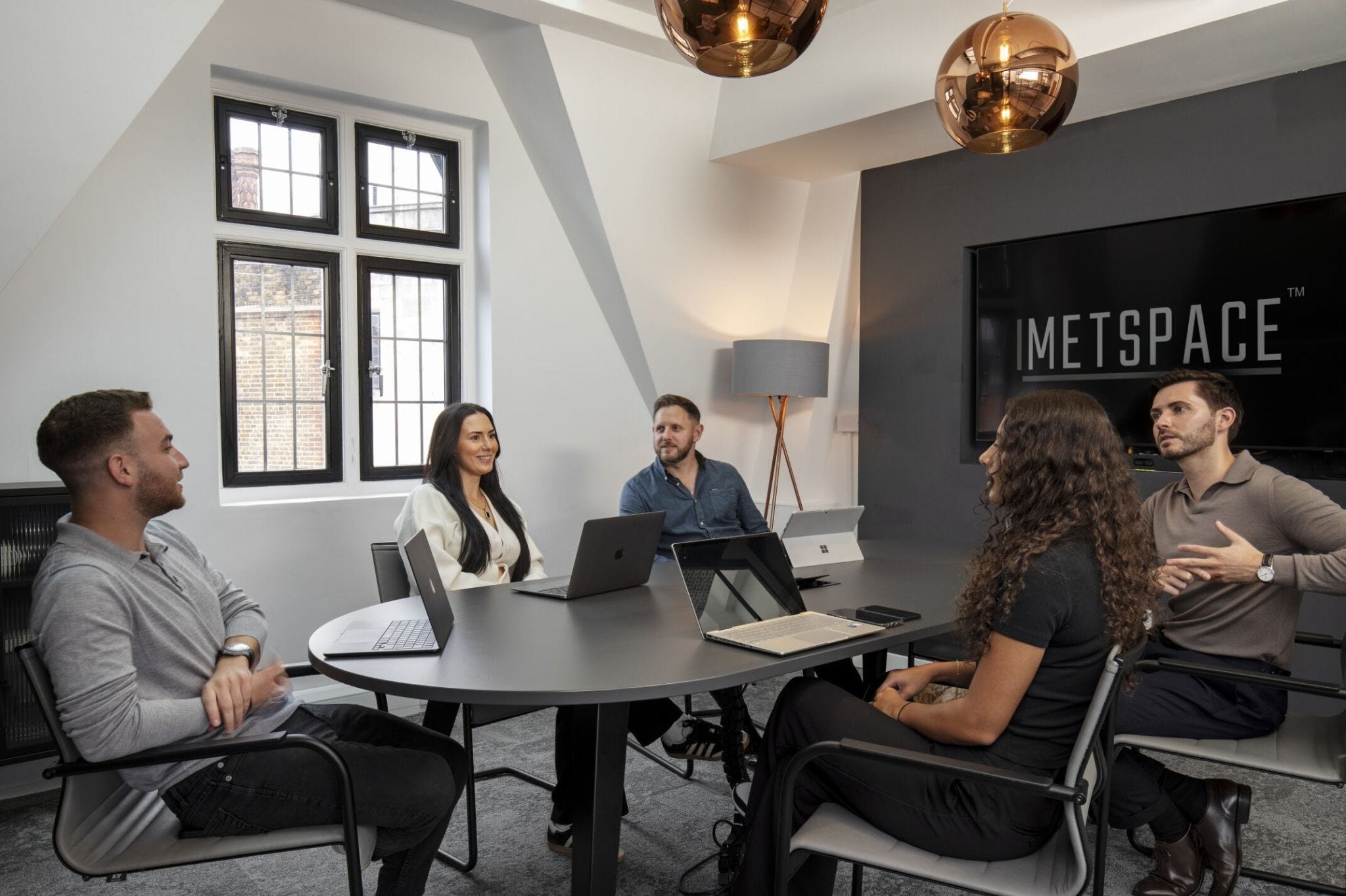
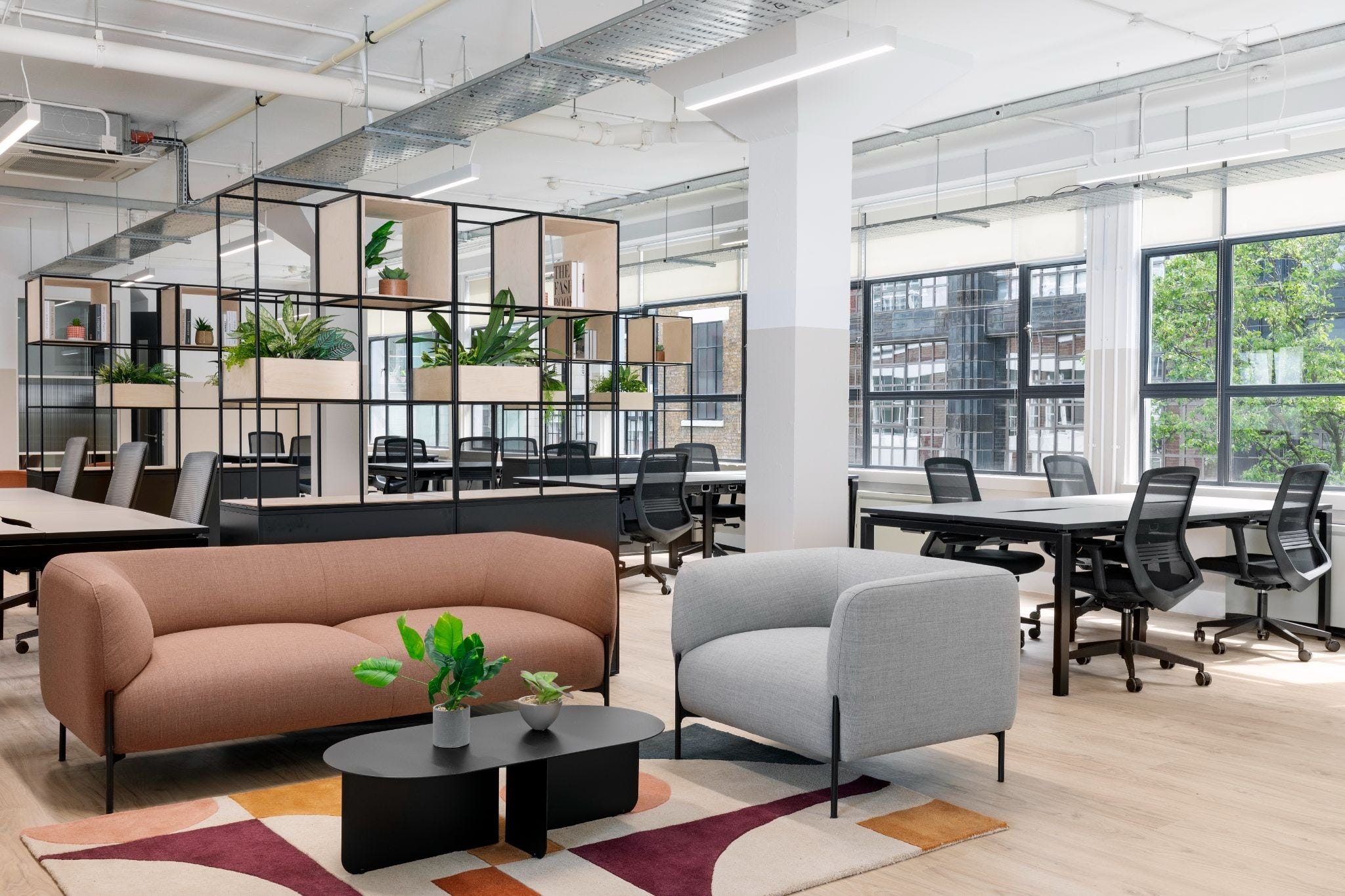
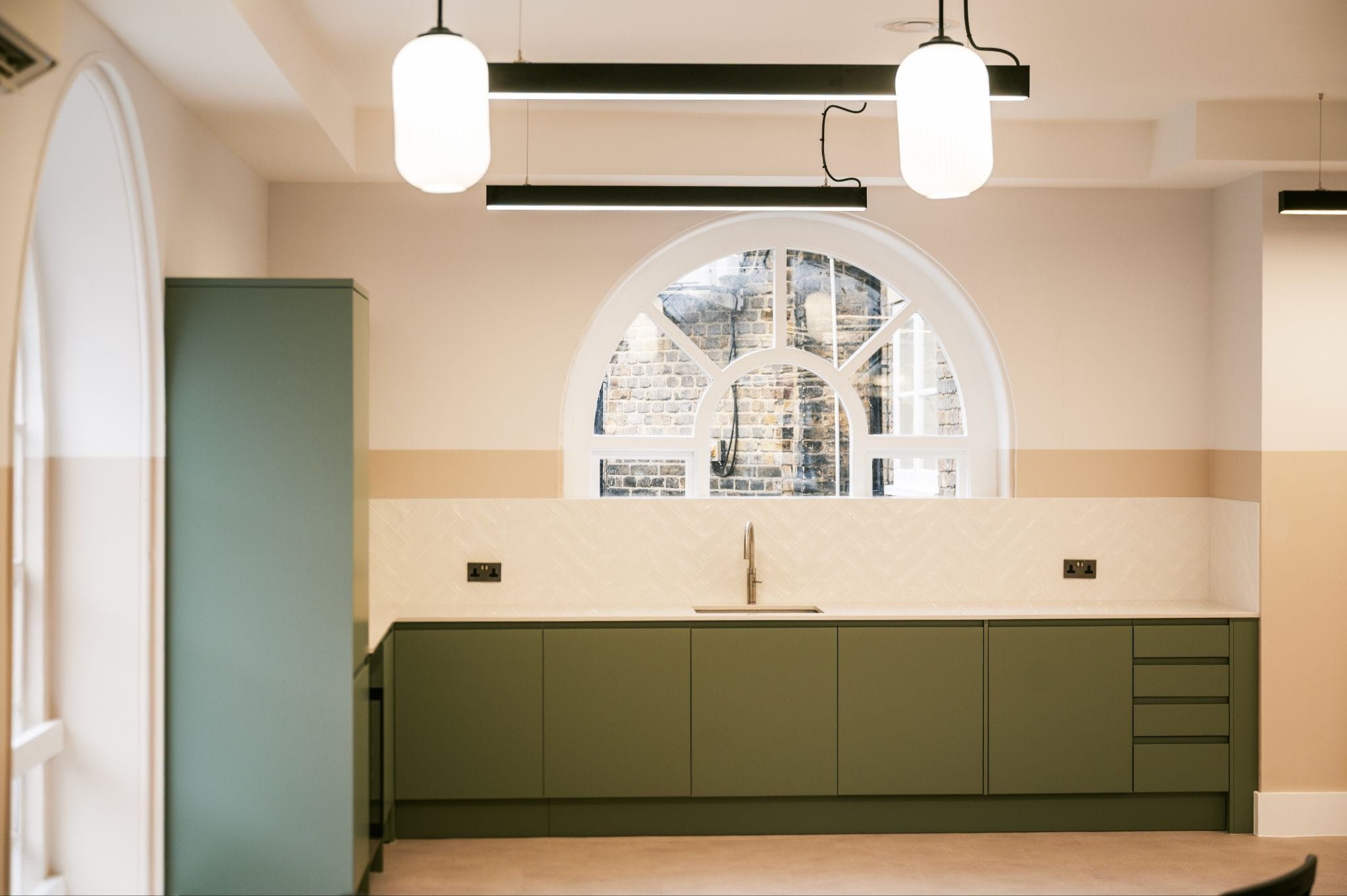
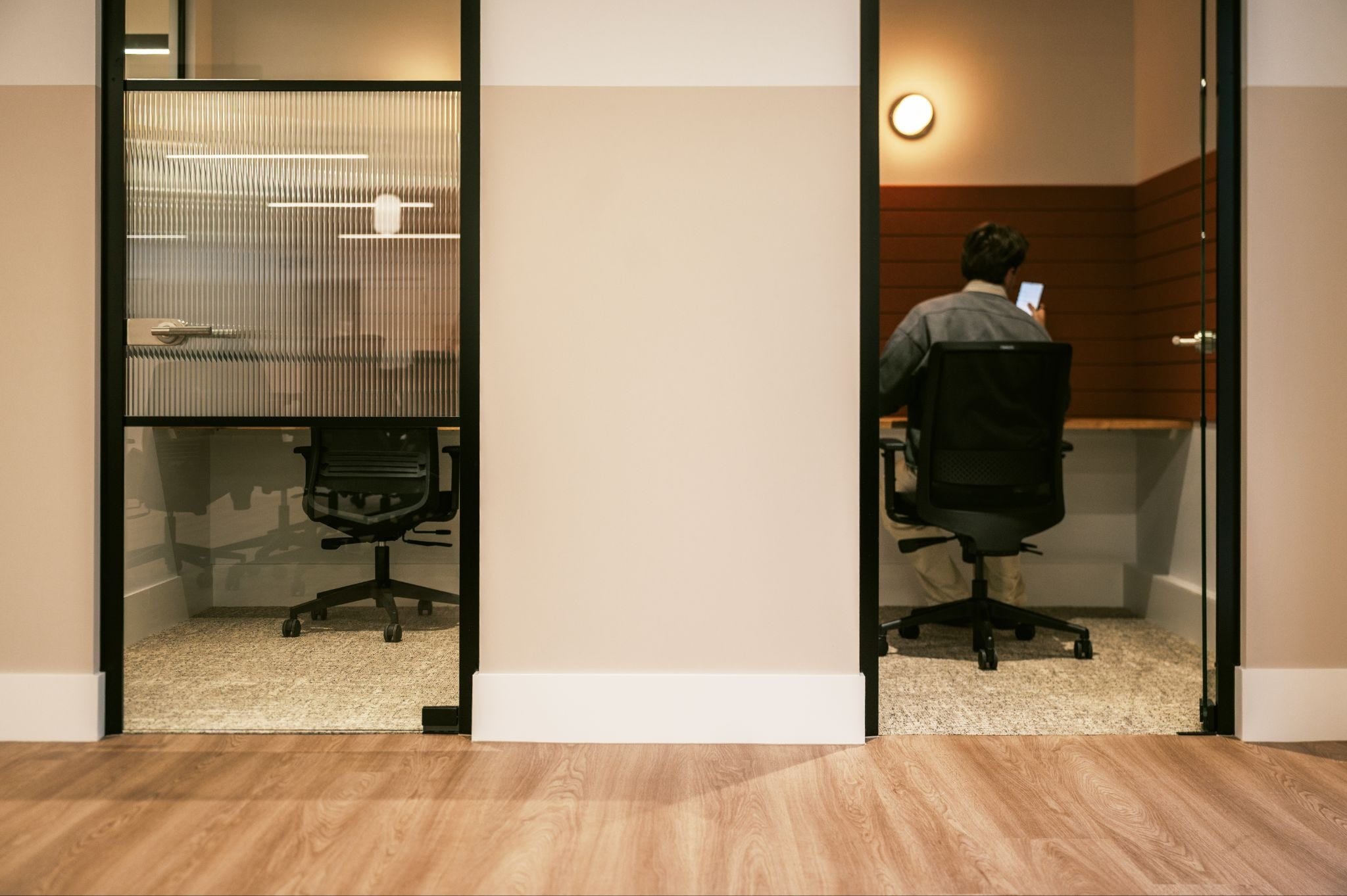
At MetSpace, we’ve got larger spaces full of breakout areas and meeting rooms. Companies have their own reception areas, kitchens, boardrooms, and phone booths. MetSpace is just a bigger version of Reflex, in terms of the SME size we cater for.
What’s changed are things like bigger broadband requirements. It’s now standard that someone needs a 100 megabyte line in their office, as opposed to a two megabyte line, and they want IP phones.
Early on, we recognised that there are more companies than landlords. So, rather than landlords dictating what’s out there, occupiers are the ones who should get more choice. We never consciously set up our business to disrupt the market. The shift is where the demand is; that comes from the occupier, and landlords must cater to that demand.
4. MetSpace has experienced significant growth in recent years. What’s driven that momentum?
Robert: We set up MetSpace a couple of years before COVID. The pandemic accelerated the market as occupiers didn’t have as much money to spend, and they started thinking about how to invest their capital.
For occupiers, it didn’t make sense to spend money on fitting out an office space, with the uncertainty of what they’d be doing in two or three years down the line. But many landlords were digging their heels in to get them on a long-term lease.
Even today, occupiers don’t want to spend thousands on fitouts. I see landlords starting to come around to the idea that we’re not going back to the old days of rent reduction to find an occupier.
With MetSpace, we saw a massive gap in the market to convince landlords to invest in their spaces. We’ve created a premium product: a refurbished, aspirational space that a company wouldn’t normally be able to afford, and packaged everything up. Occupiers will pay you a premium for providing all of that.
Over the past four years, MetSpace has experienced a 78% average annual increase in operator agreements and is now at 93% occupancy over 100 floors in central London. Our team have also grown.
Our growth has come about because we’ve been effectively offering the same thing Reflex offered since the 90s. Having run MetSpace since 2018, and through COVID, we’ve now got a good track record.
Once we sign up with a landlord and they trust us, we can deliver on what we say we’re delivering. They give us more space after we’ve proved ourselves. We started partnering with landlords on one floor, and have grown to 10 floors in different buildings. Relationships with landlords are very important to us.
5. How does MetSpace approach sustainability, and why do you see it as a form of commercial foresight?
Robert: This isn’t about trying to spot trends in the market or plant our flag somewhere; our commitment to sustainability has involved looking at what felt right.
At Reflex, we spent good money on quality furniture and didn’t change it for 15 years. They were cleaned and moved around. Back then, we were conscious, but the term “sustainability” didn’t exist. We were just thinking about how to invest properly in the space.
We also installed the best broadband and door entry systems; we’re doing similar things now. If we’re rebuilding a meeting room, we’ll recycle glass, upcycling it from other sites, and spend good money on furniture.
We’ve always been conscious about spending money in the right way on the space. That’s not about buying gold taps; we don’t want to waste money. You now have green investment opportunities with banks, where they’ll lend money to buildings with strong sustainability and EPC ratings, because it’s good for the environment.
Our newest Crafts Council building in Angel is a good example. We’ve improved the Grade II listed building’s EPC rating significantly, from a D to a B after the landlord refurbished it.
Some occupiers ask about our sustainability credentials, but more often, it comes from landlords. This is all about saying to landlords that if you invest properly now, you won’t have to spend money again for another five to 10 years.
6. Relationships are central to your approach. How do you build and maintain them across the business?
Robert: Everyone we deal with — landlords, occupiers, and suppliers — is a client; always has been.
Landlords want to let out their spaces and make as much money as they can with as little aggravation and as small a void as possible. Although they want to generate the highest revenue from the space, you can’t do that by squeezing the life out of the occupier. There’s a balance to be had.
To make the occupier happy, you have to deliver service as best as possible, which means making sure they’re satisfied with the financial terms, how you treat them as human beings, and how you make their lives easier in terms of accessing the space.
That filters back up to the landlord. A happy client in the space stays, and the landlord gets continuous revenue. A managed workspace is about having trust in each other, including the landlord, clients in the building, and occupiers.
7. How do you stay ahead of market trends, and what excites you most about the future of the flex industry?
Robert: The flex industry is becoming an established part of the occupational market.
But what’s really tough at the moment is that occupiers are slightly confused about what’s being offered. I recognise that everyone’s trying to bring workspace under one flex banner; however, that term could be better explained and made clearer to the occupier. I’m excited about that.
If somebody says they’re looking for flex space, to me, that says they want something they can get in and out of in a very short period of time. Whereas with coworking, you get a monthly pass, or sign up for a longer-term serviced office.
On the flip side, managed and flex is the number one trending topic in the property market, so explaining it to landlords is easy, because they’re all talking about it. Flex is an established part of the office and occupational market trends. But when things are trendy, they can fall out of fashion. Despite that, listening to occupiers and what they want is the key to figuring it out.
Flex has created a lot of conversation, but I’m not sure where it will end up. The leasing market is dying, but it’s trying to keep itself alive by boxing everything into a flex and managed market.
Managed sits above everything; that’s what we are, a function of the managed office product. It’s a space looked after by a third party. That’s why we’ve used those terms to describe Reflex and MetSpace from the beginning.
About People Make Coworking
Celebrating the people who make up the fabric of the global coworking movement, People Make Coworking interviews coworking space founders and community builders who share their journeys of bringing people together.
Edition #30 of People Make Coworking interviews Robert Schogger, co-founder of MetSpace, a premium managed office company for larger SMEs based in Central London.