


Michael Sternberg didn’t set out to open a coworking space in Angola. He first arrived in the country in 2007 while driving from Cape Town to London on a trip with friends, before eventually moving there to start a subsidiary for a British company seeking to invest.
While encountering complexities that made securing office space difficult, Michael recognised a gap in the market. He set up Launchpad (the country’s first coworking space) in the capital city of Luanda in 2015. But what followed was far from straightforward.
The workspace opened just as Angola’s economy entered a severe downturn, and Michael was forced to rethink almost everything about the business. That was until a chance visit from a prospective member changed its trajectory, giving Launchpad the footing it needed to survive.
Five years after Michael started Launchpad, he founded a second coworking space – Green Room JBay – in South Africa. While Green Room reflects Michael’s connection to the coast and a community’s love of surfing, Launchpad serves as an urban hub, connecting startups, multinational companies, and local talent.

A few months after Michael shared his story of starting Green Room JBay, he reflects on how launching his first coworking space in Luanda became an unexpected engine for connection and opportunity for businesses in Angola’s capital.
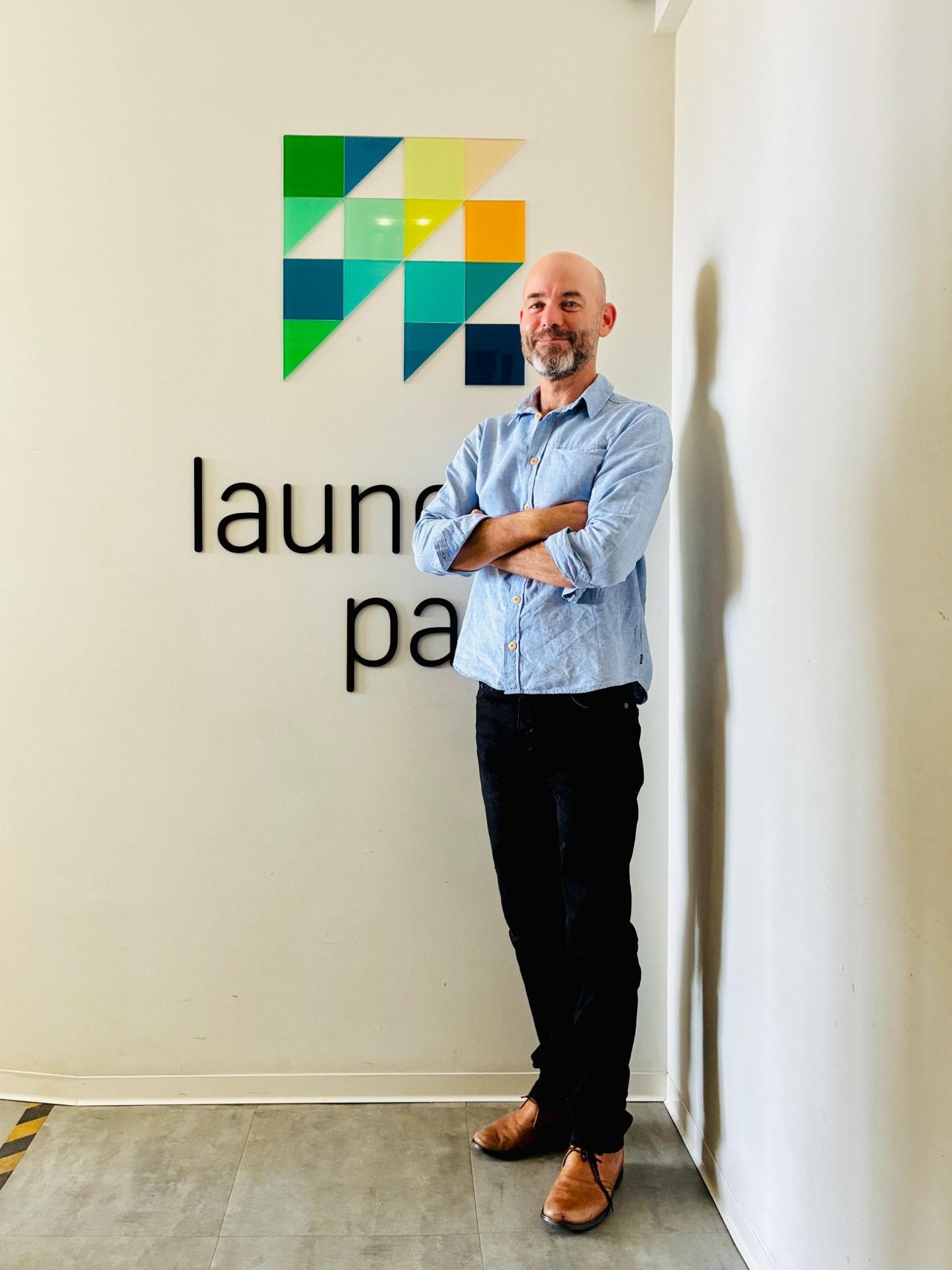
1. What inspired you to start Launchpad Angola, and what was the original vision?
Michael: I first came to Angola in 2007 as a tourist when, with a couple of friends, we drove from Cape Town to London in an old Land Cruiser on a surf trip. Of all the countries that I saw, Angola was the one that really stood out to me, and I wanted to go back.
When we arrived in London, I miraculously managed to find a job at a British company looking to expand into Angola. At the time, Angola had been out of the Civil War (1975 - 2002) for just a few years. No one else was really interested in going there, so I happily put my hand up.
Starting a company in Angola came with many challenges. One of the main challenges was registering a company, as you needed a physical premises. I started looking for office space, but quality was extremely variable; everywhere required long lease terms, was hugely expensive, with big upfront payments.
The leases were in Portuguese, with a different legal and accounting system from what I was used to. I needed a more flexible solution with a simplified contracting process.
I’d worked in coworking spaces in other countries, so I knew that the coworking concept existed. I began searching for a flexible office here in Angola to solve my problem, but I couldn’t find one. That’s how the idea first sparked.
I knew other people were going through the same process, with the same challenges, and wanted to chat with them to compare notes beyond just solving the premises problem.
I wished there was a place in Luanda where people launching projects could meet and exchange notes and experiences. I thought that would make everything a lot easier. That was the vision of Launchpad: to create a space that makes it easier for projects to come to life in Angola.
At the time, property was extremely expensive. Luanda was at the top of the “most expensive cities in the world” list for several years. But I managed to pitch the idea, first to the advisor I’d been working with, then to a developer who had a new building with an available floor. They both believed in the idea and joined the business as co-investors. That’s how the Launchpad started.
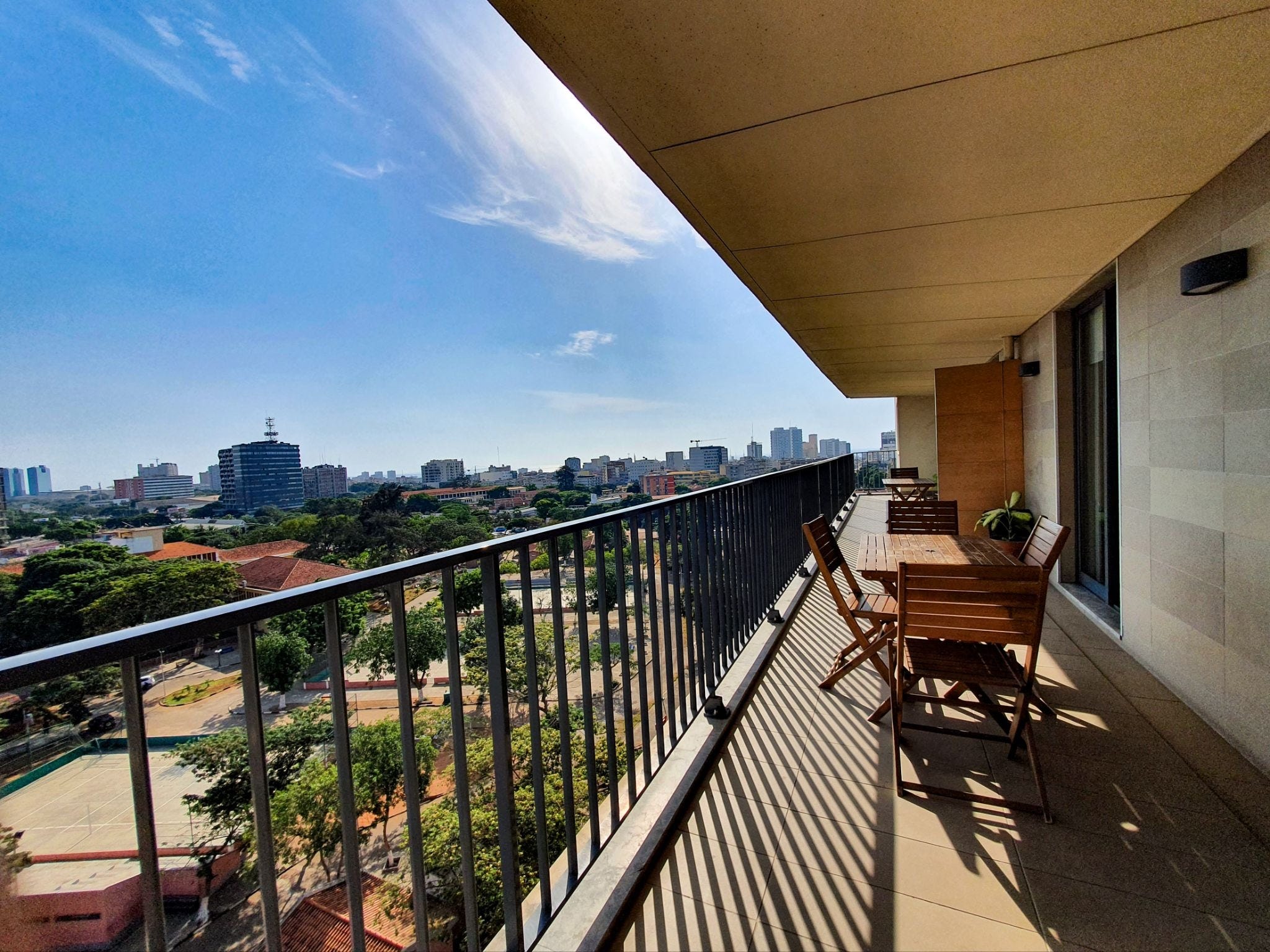
2. What’s the experience of launching the very first coworking space in Angola been like?
Michael: I’ll confess I really blundered through this, and did everything you shouldn’t do when starting a new project in a new country for the first time.
The first mistake we made was underestimating the volatility of an emerging economy. Angola is one of the biggest oil producers in Sub-Saharan Africa (the economy was 95% oil at the time). While oil was booming when we came up with the idea, as we opened the coworking space doors, the oil price fell from $130/barrel…to $30/barrel.
Almost overnight, it became impossible to exchange the local currency, and commerce ground to a halt. Companies closed their doors, people left town, the traffic jams disappeared, and new projects dried up. Demand was suddenly a fraction of what we’d anticipated.
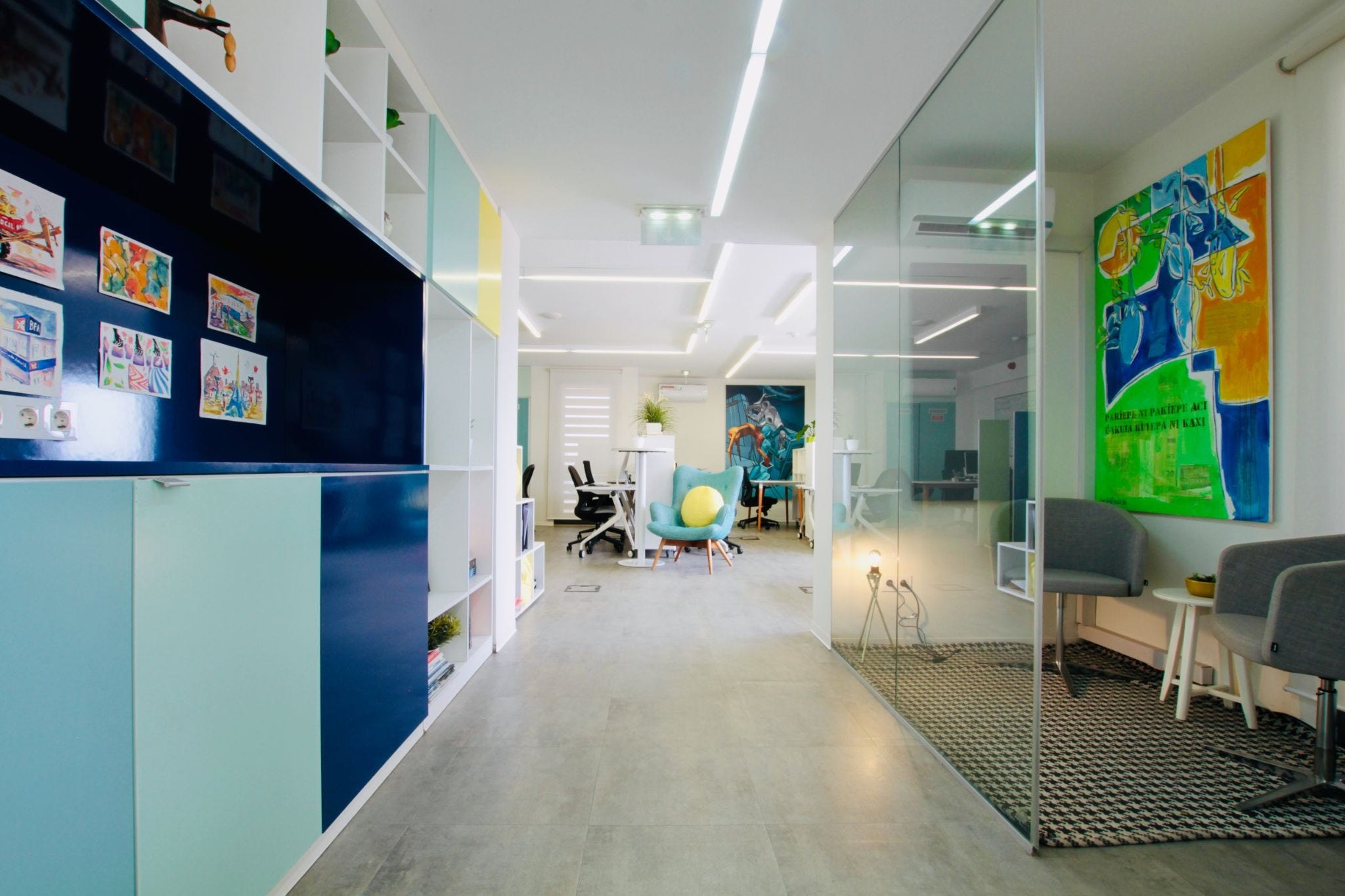
The second mistake was naively applying a concept from another country and expecting it to work. I’d been inspired by a coworking space I’d previously been a member of in Cape Town, and used it as a template in designing the space, with open workspaces and generous common areas.
After opening, a few people came to tour the space, but the feedback was always the same: “We love the bright airy office, fresh design, and beautiful views… but the work we do is very confidential, we can’t work in an open space”. I soon realised that one of the legacies of the long civil war was strong sensitivity around privacy, and we had built a space with no private offices.
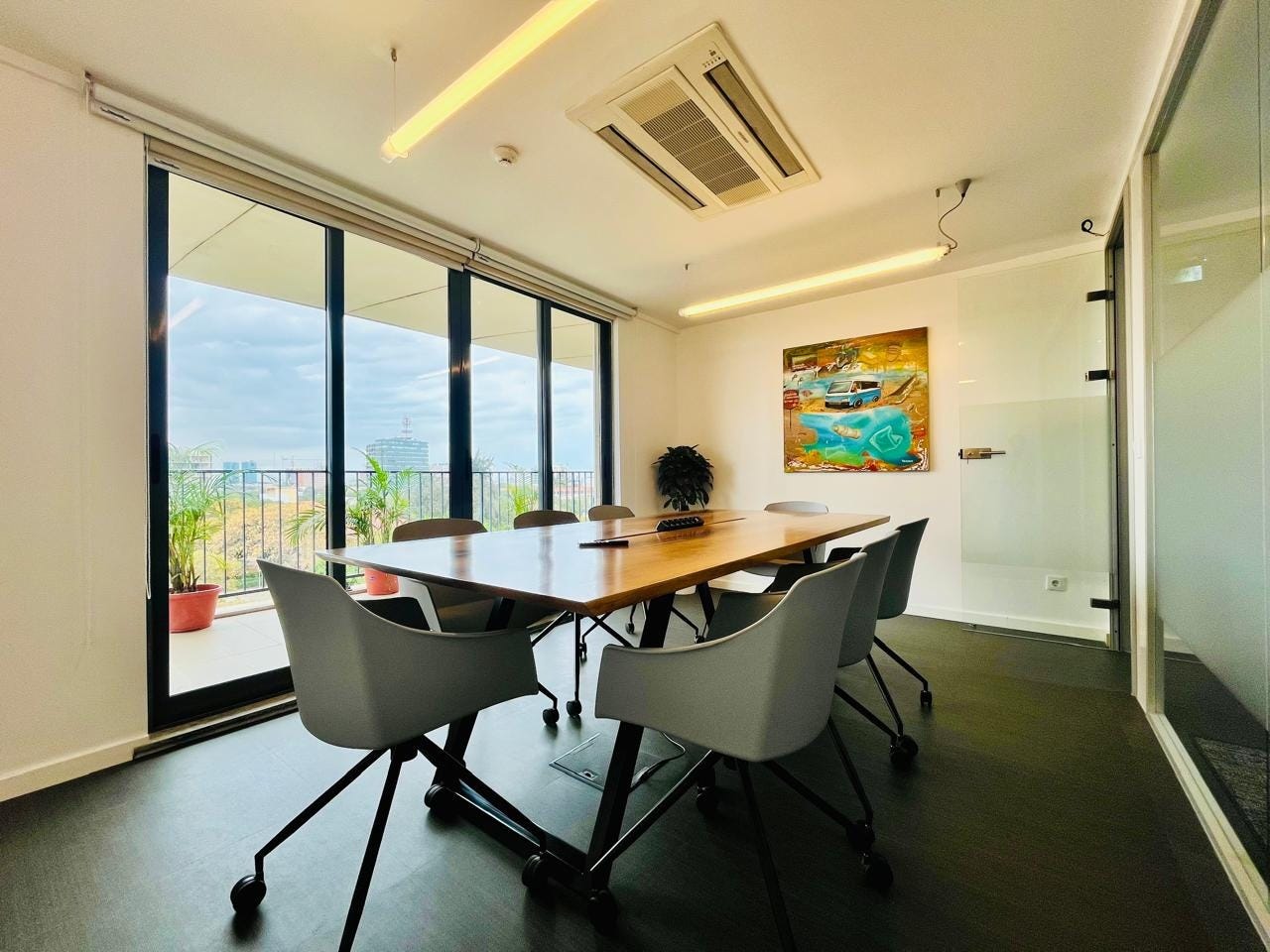
After six months, and without a single desk occupied, we decided to mothball the project. I got on a plane and flew back to Cape Town to reassess my life. But when I touched down, I opened my phone to a message from my business partner: Whilst I was in the air, he’d opened the space for someone to visit. They wanted to rent one of the meeting rooms as an office.
We agreed to turn a meeting room into an office and restart the project. A couple of weeks later, I was back in Luanda. This newfound cash flow gave us a bit of breathing room on our pricing. We could start to be more flexible and consider exchanges – this made all the difference.
3. How did you scale up from one client to becoming fully occupied?
Michael: When we first opened, the Angolan tech startup community was very nascent. Founders were usually Angolans who had studied or worked abroad before returning to Angola to make a difference. They were often already familiar with coworking spaces, but as startup founders, they were all bootstrapping and couldn’t justify paying our original list prices.
They were smart and ambitious folk with a very positive mindset about the country – exactly the type of person you want in your work environment! We started doing exchanges with founders who were working on interesting projects to get them into the space. It wasn’t long until bigger companies started noticing this startup ecosystem and reaching out to us.
Meanwhile, the economic crisis stemming from the oil price had another side effect: many service-providers who maintained office buildings in Luanda left town, as did professional estate agents and any potential competition.
Microsoft was one of the first major companies contacting us. They were working in a beautiful building in Luanda that was suddenly no longer being maintained, and needed to move; they also wanted to be close to our startup ecosystem. We got talking, and eventually managed to close a deal to host the Microsoft Angola office in the same building as the coworking space. That was our first expansion.
With a bit more cash flow coming in, we were also able to start expanding our coworking space. Of course, the first thing we built was private offices.
We’re 12 years old now, and the space is 100% full, even the open spaces! We’ve got a long waiting list. Meanwhile, the coworking concept has taken off in Luanda – there are now several coworking spaces in town.
4. Does the unique cultural and economic landscape of Luanda shape the daily dynamics inside your coworking space?
Michael: When we first conceptualised the project 14 years ago, Luanda was a chaotic place to do business. Fresh out of the Civil War, it was difficult to find information, even online. There was a high variability in education and services, nothing was very well organised, and data was often conflicting (even from supposedly reliable sources).
In this environment, I think the most noticeable dynamic was that our members became a bridge of trust and information.
When you start filling a coworking space with people who see each other every day, and you host community events, members start to understand what everyone else does, and they slowly build trust. Once you have trust, everything is possible.
I saw a huge amount of member collaboration. Members were constantly being invited to other members’ meetings, and many problems were solved in this way. Our members’ WhatsApp group was often just people looking for basic things or services. Coming from this trusted network, it made all the difference.
The second noticeable dynamic is the omnipresent hunger to learn and grow. You see it everywhere in Luanda, but it’s especially present in our team and our members – it’s refreshing to work with, and inspires us to curate good-quality sharing and learning experiences in the space. Members really appreciate our Thursday afternoon speaker sessions!
Finally, we serve unique snacks in the space. Angolan street food is usually cassava-based treats prepared in various ways, grilled plantain, and occasionally my personal favourite, kitaba — a spicy snack made from peanuts and the local chilli peppers, which are delicious.
5. How is Launchpad Angola promoting inclusivity and supporting the local entrepreneurial ecosystem?
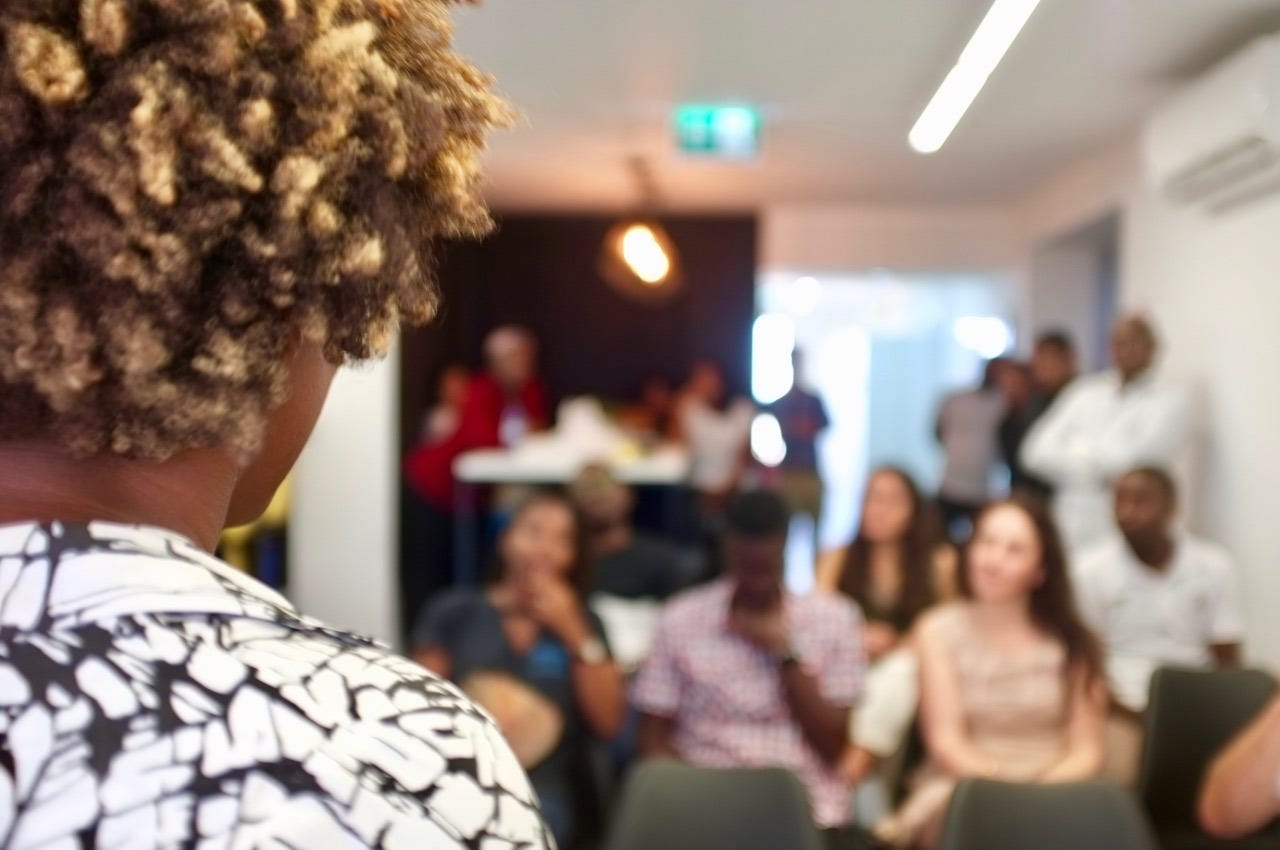
Michael: When we opened 12 years ago, Luanda didn’t have reliable power, water, or internet. An office with a presentable meeting room was prohibitively expensive for most. In the beginning, simply providing basic work infrastructure at an accessible price made a huge difference to our entrepreneur members.
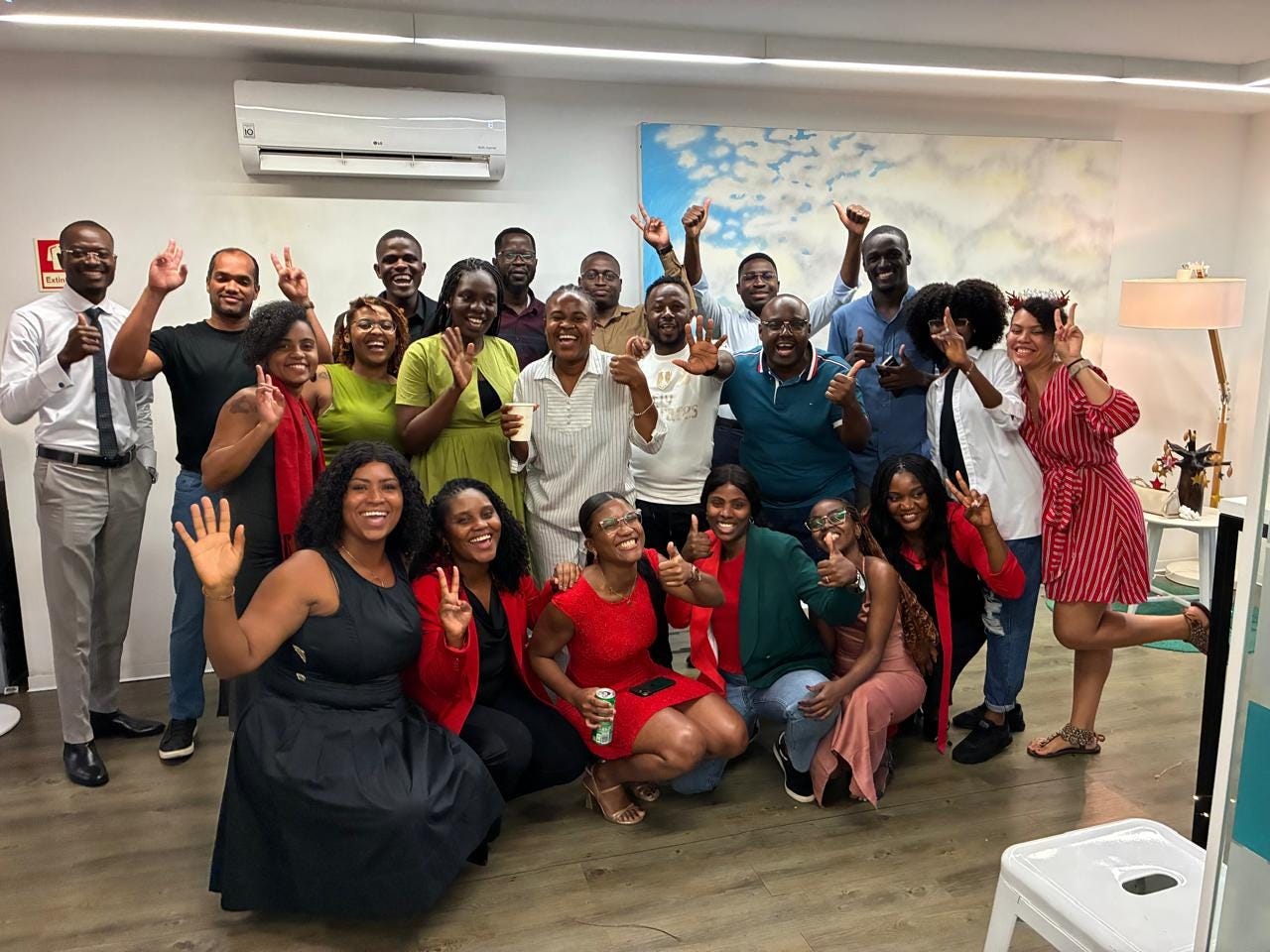
Over time, it became apparent that we had a diverse mix of members: small startups and big multinationals, local Angolans and foreign expatriates — people across the full socio-economic spectrum, all under the same roof.
Angolan entrepreneurs gained exposure to international organisations, leading to interesting opportunities. For example, after a French development agency moved into our offices, they began to understand the local startup ecosystem and launched a programme around it. Several of our members even travelled to France for events.
Expats who join our space connect with a community of local Angolans. Their experience of the country is much richer for it; they’ve been able to join local sports clubs, learn about cultural events, find interesting places to visit for weekend adventures and discover local restaurants.
A few international companies have even recruited employees within the space, which is great for both the companies and our members and staff who receive these opportunities.
6. Have any other businesses evolved out of Launchpad Angola since it started as a coworking space?
Michael: Expats starting projects in Angola would come to the coworking space initially looking for flexible premises. Once here, they’d share other problems they were having while setting up their companies. Through our own experience of starting companies in Angola, we’d often help them solve these challenges.
That’s how our services division started. It’s actually bigger than our coworking business now. Our main customers are foreign-led projects in the first 1-2 years of operation. We provide advisory services around incorporating new businesses in Angola, concierge services, labour/recruitment solutions, translation and procurement.
The coworking space and service division work very well together. Many of our services clients find us by first encountering the coworking space. Then, we often find ourselves calling on our local Angolan members to help fulfil requests from our service clients.
The concierge service is my personal favourite to work on. If someone from abroad tells us what they’re looking to start or accomplish in the country, we’ll arrange everything to make this happen – picking them up at the airport, setting them up with meetings at all levels, arranging research and tours, and whatever else they need. We’ve had all sorts of weird and wonderful requests over the years; there’s never a dull moment.
It all takes us back to the original reason why we started the Launchpad: to make it easier to bring projects to life in Angola.
About People Make Coworking
Celebrating the people who make up the fabric of the global coworking movement, People Make Coworking interviews coworking space founders and community builders who share their journeys of bringing people together.
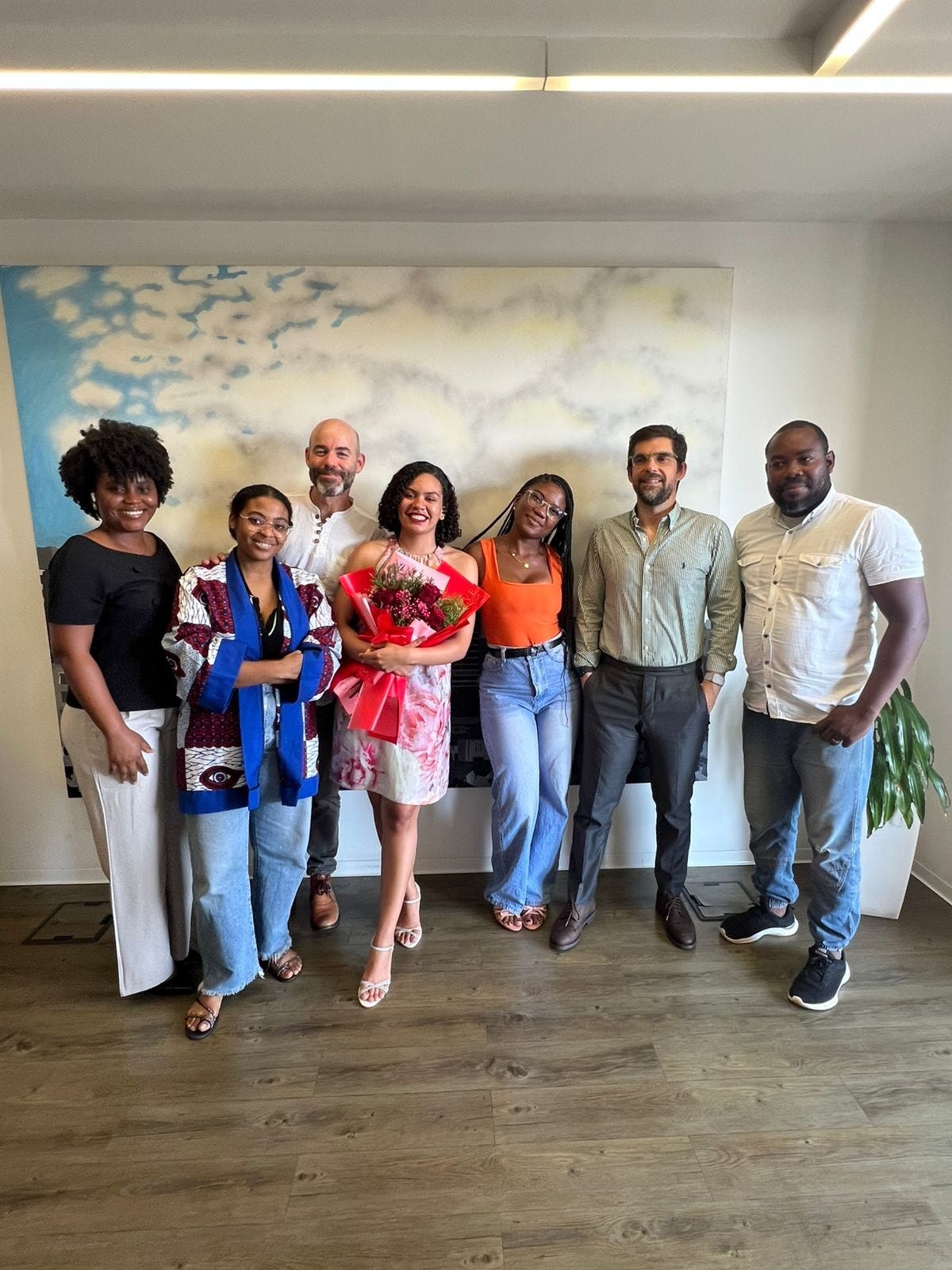
Edition #28 of People Make Coworking interviews Michael Sternberg, co-founder of Launchpad coworking space in Luanda, Angola.