


We’ve all walked into a coworking space and thought: this place has a good vibe.
But what does that actually mean?
Is it the friendly people? The buzz and energy in a space? The aesthetically pleasing workspace design? Or is ‘vibe’ one of those feelings you simply know when you experience it but can’t necessarily define it.
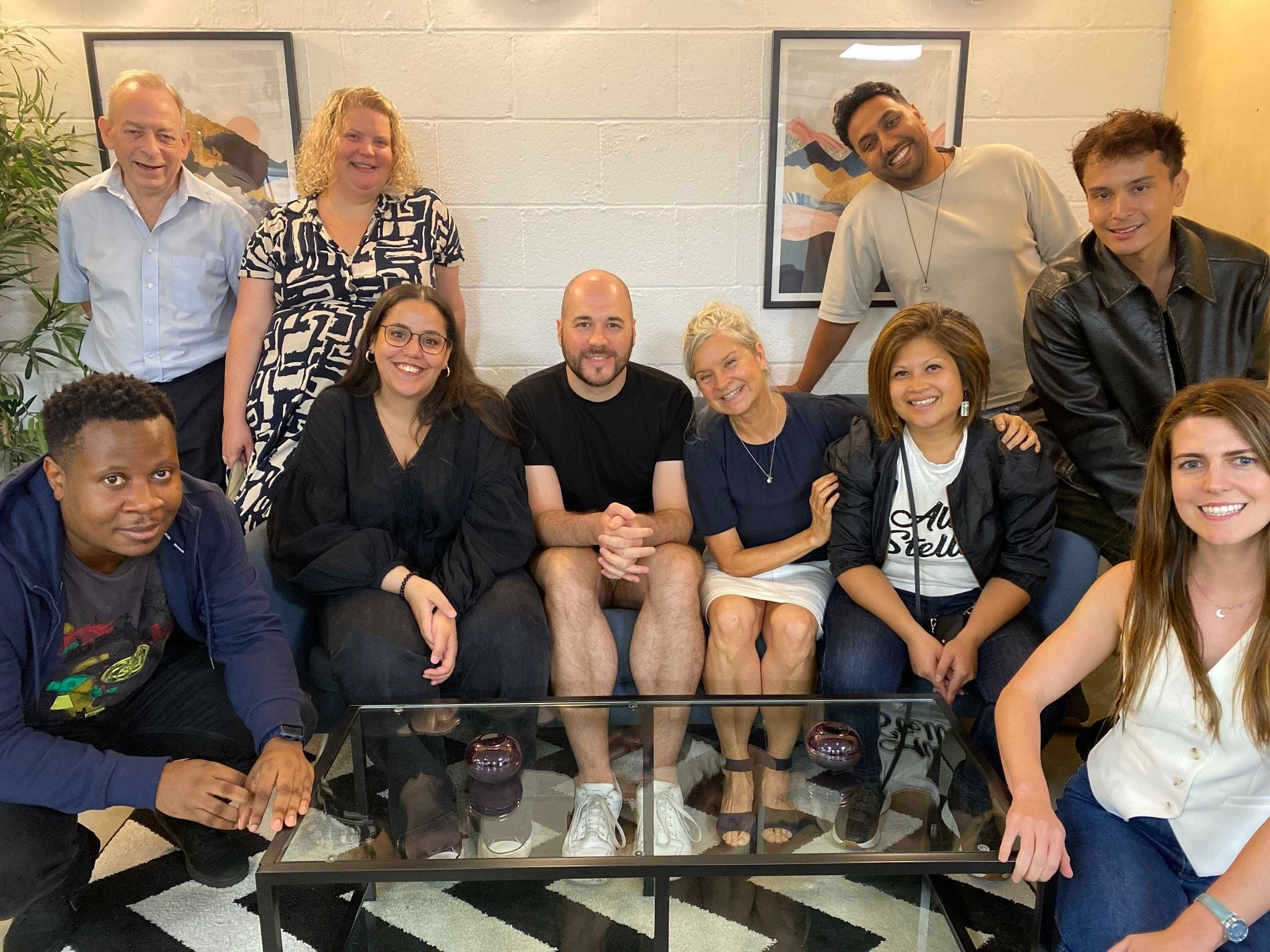
Dr. Louise Suckley, Senior Lecturer in Strategy, Enterprise, Innovation and Research Methods at Sheffield Hallam University, has spent years researching what constitutes a ‘good vibe’ in coworking spaces.
I connected with Louise after hearing her present this work at the Research Group on Collaborative Spaces (RGCS) Symposium in Milan at the start of last year.
A few days ago, Louise released an academic paper exploring the social and spatial ingredients that contribute towards a ‘good vibe’ in coworking spaces.
This research is essential to determining the success of a workspace. So, let’s get into some of its groundbreaking insights around ‘vibe’ for coworking operators and community managers.
Natural lighting matters more than you think
Although a ‘good vibe’ can be difficult to define, it’s something many of us will use to describe our experience of a space. But it’s importance in coworking spaces is even greater than this, as a positive experience of a place leads people to spend longer there, to work effectively and “build a sense of belonging.”
Sociomateriality is identified as one of the core aspects that influences ‘vibe’ in coworking spaces — where social practices and material objects are fundamentally inseparable and deeply entangled.
Interestingly, coworking space users rate natural lighting as the most important element of spatial design in coworking spaces. Workstations next to windows are preferred over those relying on artificial light, strengthening connections beyond the interior space and providing a sense of openness. Access to nature is also highly rated.
What’s interesting is how often I’ve heard this echoed by coworking operators.
For instance, when I interviewed Darren Epstein, founder of Roamwork in Cape Town, he admitted that the only offices they initially struggled to rent were those in the centre of the building.
Members overwhelmingly chose the window offices first, leaving the darker internal spaces vacant until every naturally lit office had been taken. When Roamwork expanded, Darren deliberately designed the central core as open-plan hot desking and breakout space, rather than having offices.

This example shows how the physical characteristics of a coworking space can influence how people choose to use it. Lighting is just one of the many influencing factors over how someone feels and experiences a space.
A ‘good vibe’ is more than the space itself
But while the physical environment clearly plays a role in the experience of a coworking space, it isn’t the whole story.
I learnt this myself a few years ago, when I moved to London and was looking to join a coworking space. I visited a workspace in Whitechapel for an industry event, and immediately fell in love with the beautiful workspace design, friendly atmosphere, and amazing scents (thanks to the diffusers dotted around the space).
So I signed up as a member. Except, when I returned for my first proper day of coworking, the experience couldn’t have been more different.
The space was quiet and everyone was heads-down at their desks, many wearing headphones. The open-plan layout, which had felt buzzy and exciting at the party, suddenly felt strangely empty. I went back a few more times, but gradually stopped going altogether and terminated my membership.
Looking back, I realised I hadn’t fallen in love with the workspace at all. It was the people who happened to be in that space on the evening of the event who created such a great atmosphere, and when they disappeared, the space lost its spark.

This is exactly what the research paper gets at. A ‘good vibe’ isn’t purely a design feature, nor is it purely about the people. It emerges through the relationship between the two: the space creates the conditions, while the people bring the atmosphere to life.
Spaces where people gather
That’s why workspace design matters too. Looking back on my experience, there are two design elements that led to a lack of ‘vibe’ in the space: a communal area within the workspace, and no shared workstations encouraging social interaction.
After natural lighting, communal areas, such as a kitchen and coffee areas, are rated as the second most important contributor to the ‘vibe’ in coworking spaces. Communal areas are typically a workspace design decision, but they can hugely impact behaviour as people need a reason to leave their desks:
“Socioculturally, they [communal areas] are interpreted as supporting time to take a break, replenish energy, and dwell in the space alongside others, but also in creating the ‘in-between’ there is the possibility of a conversation, [and] building a connection with a new or old acquaintance.”
The Whitechapel space didn’t have a separate communal area, and instead had a kitchen that looked part of the workspace. So, it ended up feeling more like a fancy café than a workspace. The lack of separate zones also didn’t encourage coworkers to take a moment and linger in the kitchen, perhaps because it was so exposed to the entire workspace community. Instead, coworkers would just grab a drink and head back to their desk.
However, I’ve been fortunate to experience coworking spaces where the communal area or kitchen has designed as a natural meeting point – where people connect, chat and end up getting to know one another. It’s the water cooler moment in today’s workspaces.
I’ve also heard of coworking operators intentionally installing fiddly coffee machines so that a new member will ask someone else how it works, sparking a serendipitous interaction. Once the ice is broken, that bond only strengthens as those individuals continue to interact within the space.
Secondly, the research talks about the importance of the shared desk – you know the one – the large table where coworkers gather.
Although this can be an efficient design tool for hot desk members, the large shared table also encourages conversations between coworkers due to your close proximity with one another. After all, it would be rude not to smile or say hello to someone sat opposite you.
That same design principle sits at the heart of many coworking spaces, such as Laundry Studios in London Fields. It’s a space I often rave about because it has such great energy.
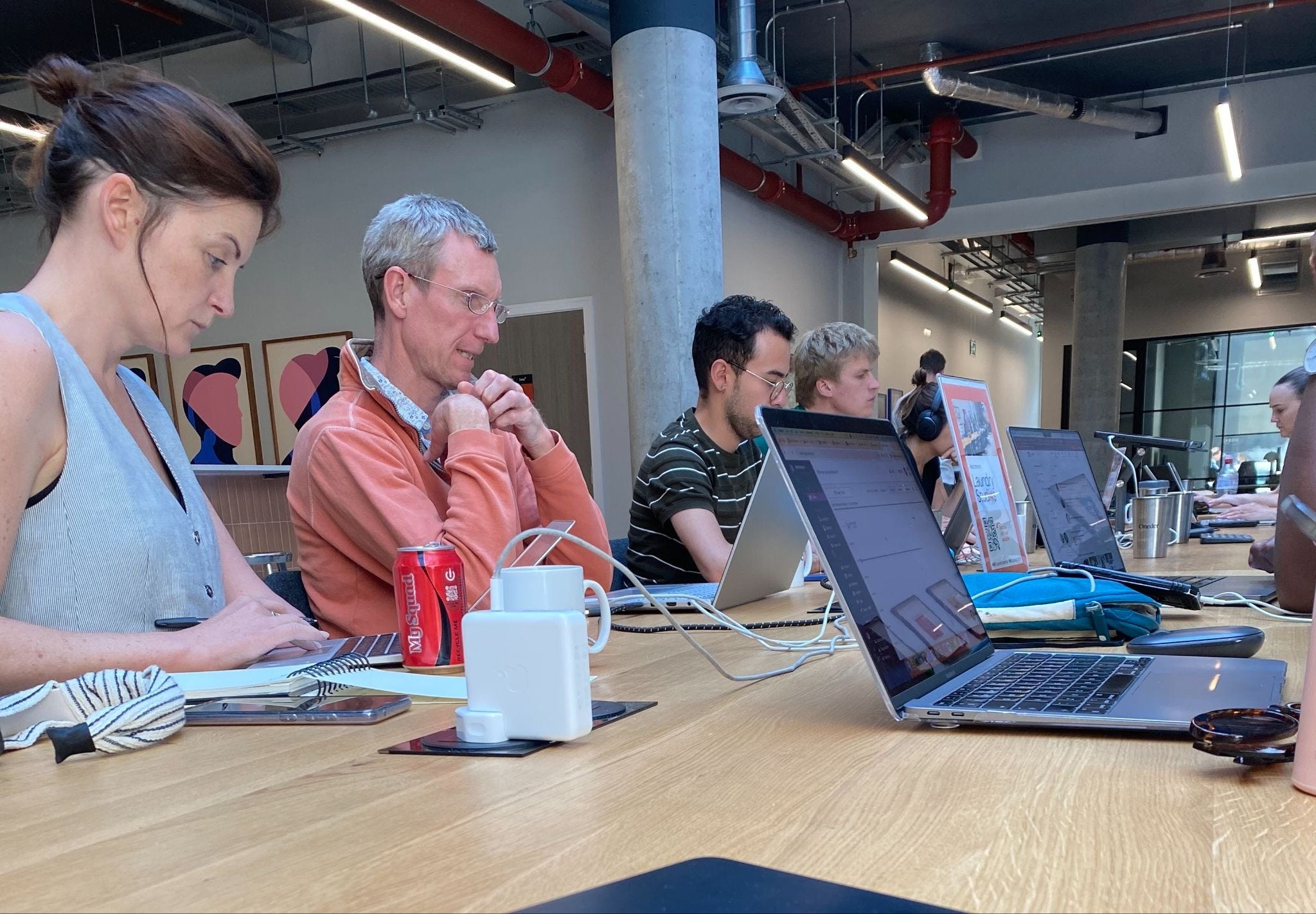
Now connecting my experience to the research paper, I wonder whether the shared table at Laundry Studios perhaps contributes to the ‘good vibe’ in that space.

Community is the key
One of the most powerful findings in the research paper is about the importance of community and social interaction in coworking spaces. We all know that a coworking community isn’t built by magic, but there are certain factors that help strengthen it.
The community host plays an important role. Their community-building strategy includes organising coworking space users to come together in the space and bond through social and work-related events.
But in turn, coworking members must contribute to the ‘vibe’ by becoming active participants. This is why the research defines coworking users as “community member[s] rather than a consumer of a service.” This is one of the main differentiations of the coworking movement from traditional offices.
It’s also something I can appreciate first-hand. After leaving the Whitechapel coworking space, I joined another workspace in Islington, where I had a completely different experience and became so much more involved with the community.
This was mostly down to our incredibly welcoming community manager, who would encourage members to meet one another and connect, through small social gatherings.
‘Sangria Fridays,’ for example, happened in the kitchen area at 4pm every week. It was the perfect opportunity to wind down and chat with others to finish off the working week. Knowing this small moment would happen each week made me come into the coworking space almost every Friday.
Likewise, I’ve heard of another London coworking space organise coffee and cake every Wednesday morning — it’s become their most popular social gathering.
These small rituals bring everyone closer together, even for just a few minutes. Over time, the community get more and more involved with each other; in our case, we were organising social events for the rest of the community: a Murder Mystery night, Christmas quiz, and dinners and activities out in the local area.
With our community manager, I set up a monthly breakfast event for freelancers. The research paper suggests that work-related socials, like freelancer events, “can support a collective experience.” This only strengthens the ‘vibe’ in a workspace.
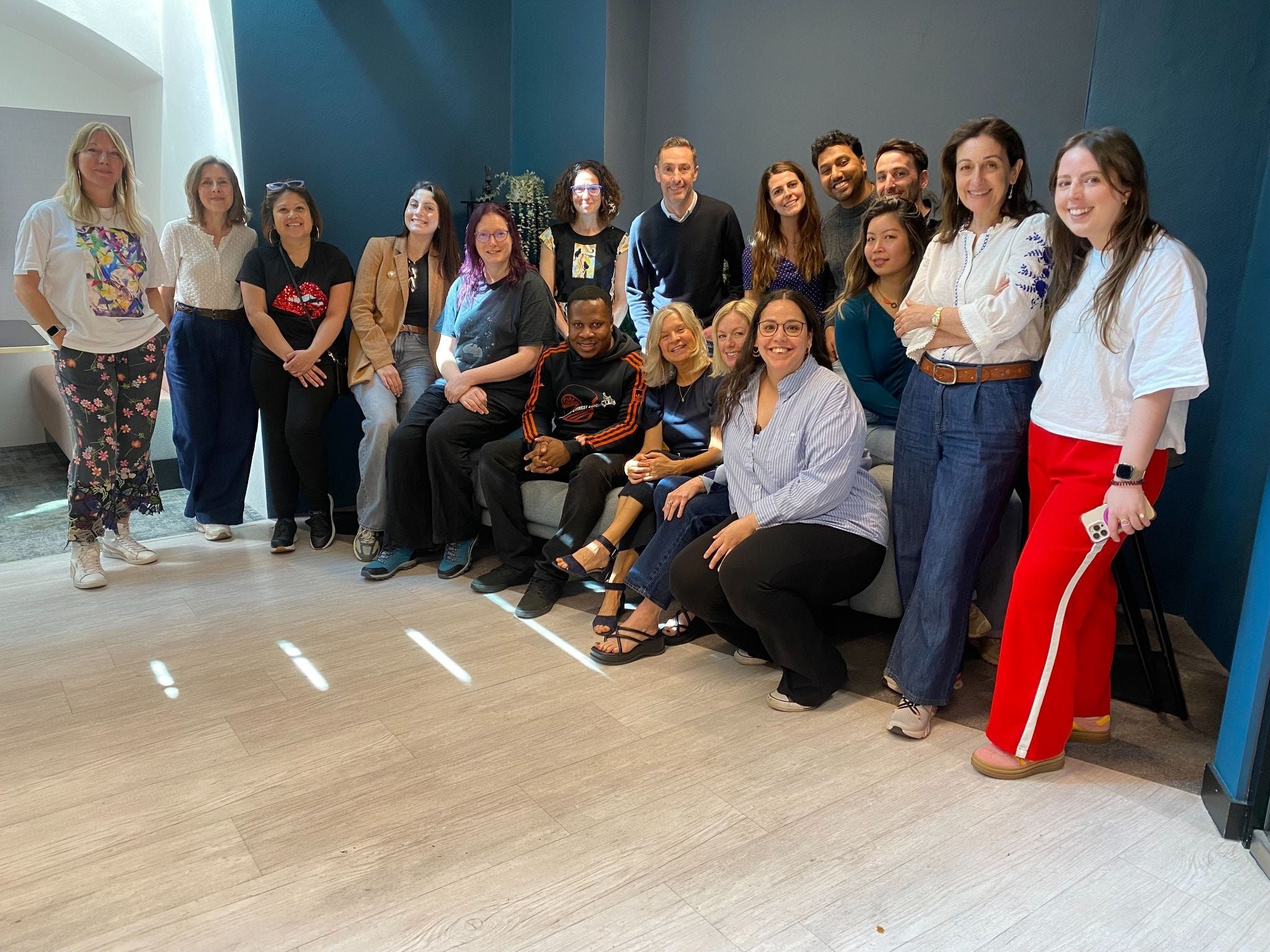
From my experience, that’s probably the clearest example of this research in practice. The community manager created the opportunity, but it was the members who carried it forward. The ‘good vibe’ was the feeling that everyone had a role in shaping the community together.
Can you design a ‘good vibe’ in coworking spaces?
Before learning about Dr. Louise’s research, I thought a ‘good vibe’ was one of those intangible things you either felt or you didn’t.
But what I love about this research is that it suggests the atmosphere isn’t accidental, and that it emerges from the relationship between people and place. Natural light helps us stay and feel comfortable in a space, communal areas encourage interaction with others, and community hosts create opportunities for people to bond.
None of these factors manufacture belonging on their own. A beautifully designed workspace without a community can still feel empty, just as the friendliest communities will struggle in a space that doesn’t support people’s needs.
A ‘good vibe’ isn’t something you decorate into a coworking space but something you intentionally design for people to create together.
I can’t wait to see how coworking operators take this research and apply it to their own spaces.
Until next time,
Lucy
P.S. If you enjoy digging into the research behind coworking, I’d love to know: what gives a workspace a ‘good vibe’ for you?