


I was recently visiting a coworking space that’s part of a larger flexible workspace, with private offices and shared amenities. But the hot desk area itself felt completely disconnected from everything else.
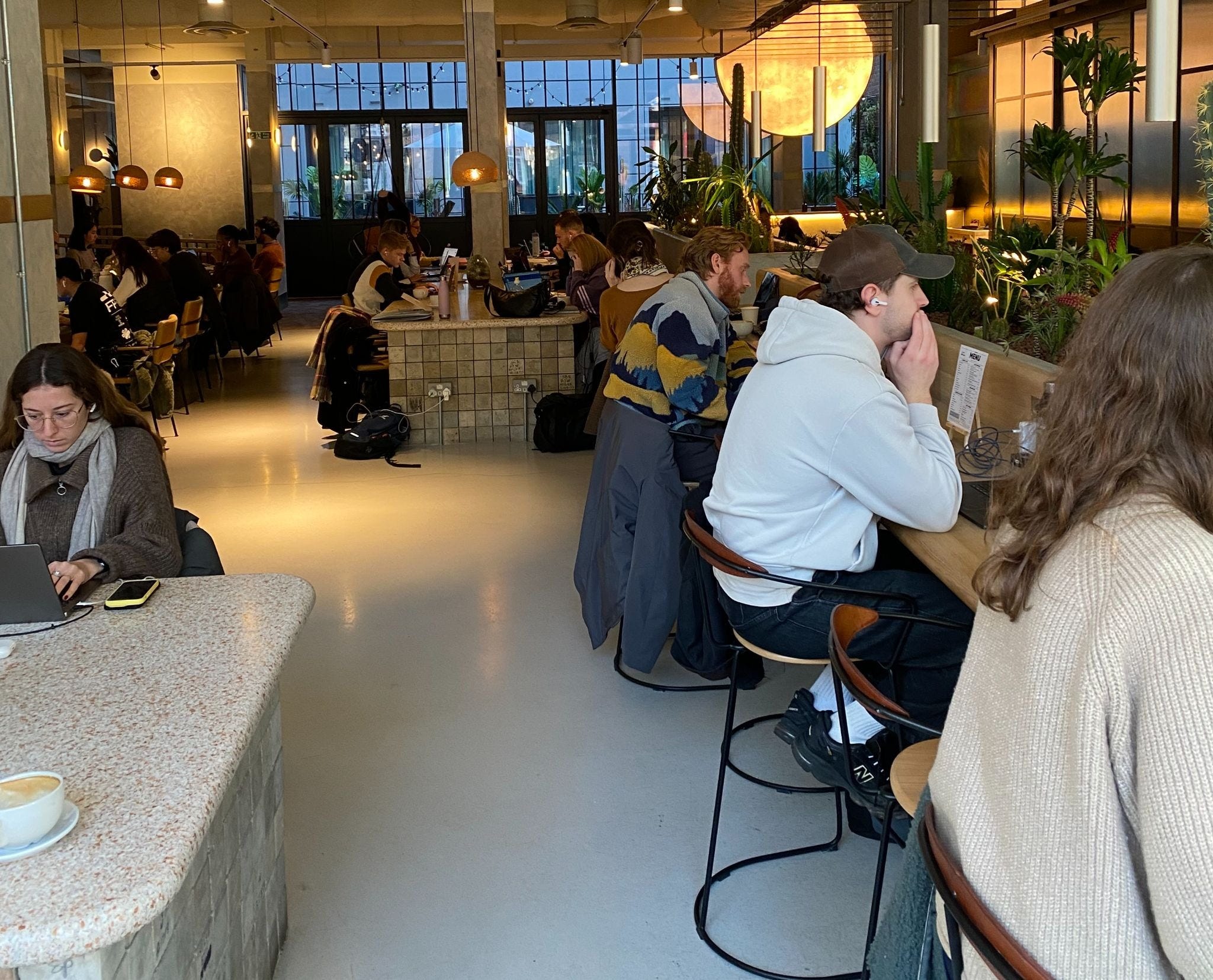
It had its own entrance, but once inside, it felt more like a café than a place designed for work. It was beautifully designed, but impractical, with café-style tables and chairs, no proper desks, phone booths, or variation in work zones. Whenever someone took a call, everyone heard it.
What struck me most, though, was the lack of any real welcome. No one greeted people as they arrived or explained how the space worked.
After a couple of hours of feeling distracted and uncomfortable from the café-style seating, I knew I’d be far more productive at home and left.
That experience got me thinking about how sometimes, coworking spaces feel like an afterthought, or an add-on, rather than intentionally designed for a specific type of user.
While hot desking might not be the biggest revenue driver for some operators, if you’re going to offer it, it should still be considered.
A welcoming experience is something I notice in every coworking space I visit, and I often speak about it with other freelancers. So, let’s get into it: what actually makes a coworking space feel welcoming?
A low-pressure way in
A welcoming coworking space is more than how you feel when you’ve joined or entered a space; it’s also about how easy it is to walk through the door in the first place.
That’s why offering a day pass (coworking’s most flexible offer) is a supportive, low-barrier entry to coworking. However, I’ve recently noticed that day passes are being repackaged, or in some cases, removed altogether from workspace models.

After writing about this topic, one piece of feedback I received was from an operator, who shared that their day pass users rarely become community members. From what she sees, they’re just utilising the workspace to their advantage, whether they’re in town for a day or having some WiFi issues at home.
Day-pass users don’t always contribute to the community in the same way as members, and overly generous access can end up devaluing the space. I totally understand that. But I’ve also heard the other side – when people try out a workspace, love it, and keep returning.
After leaving a London workspace after only three months, I was cautious about joining another. So, I used a couple of day passes to test out a workspace in Islington. These experiences were so fantastic that I joined as a member and stayed for two years.
When done well, day passes create a low-commitment entry point, allowing people to test the atmosphere, understand the community, and decide whether it’s a coworking space they actually want to return to.
Otherwise, a space that doesn’t really allow that flex seems exclusive, and the community can be a little insular.
The goal isn’t offering unlimited cheap access. Creating a pathway into your coworking space must feel fair, intentional, and inclusive on both sides.
A friendly (and present) community manager
We often say in the coworking world that a great experience is about more than just the physical space. Sometimes you walk into a workspace and immediately feel at ease. That feeling doesn’t come just from the furniture or the design; it's the vibe, and it stems from the people.

In fact, the person responsible for shaping that experience more than anyone else is the community manager.
When I joined the coworking space in Islington, the community manager completely changed my expectations of what a workspace could feel like. The previous workspaces I’d experienced had community managers, but I couldn’t tell you their names because we rarely interacted.
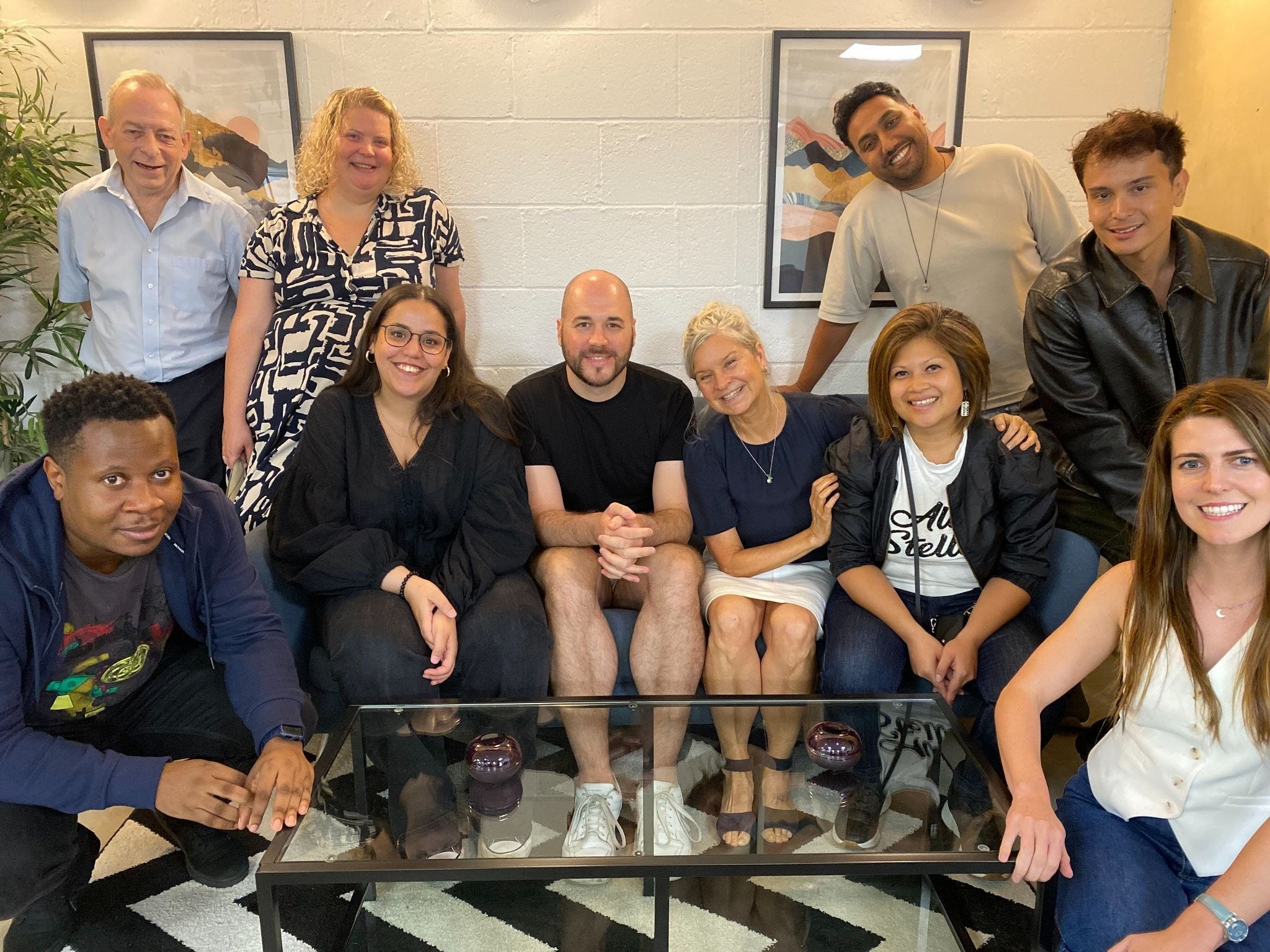
This space was different. From day one, the community manager made a point of introducing herself and offering a tour. It sounds simple, but knowing where everything was, how the space worked, and feeling acknowledged straight away made me feel comfortable.
It wasn’t a one-time thing, either. Every morning, the community manager greeted people as they walked in, asking them how they were doing. She knew everyone, on a deeper level – what they did, how often they came in, even who might benefit from being introduced to each other.
That’s what makes a really welcoming coworking experience.
Since leaving that workspace, I’ve realised how rare that level of care actually is. For some operators, having a full-time community manager might feel unnecessary, especially if coworking isn’t the core product. But without someone owning that experience, it’s often the first thing to slip.
Small hospitality touches
A community manager does so much more than facilitate introductions or tour new members around the space. The best ones create small, thoughtful moments that shape how a space feels.
This is the difference between service and hospitality — something Will Guidara’s book, Unreasonable Hospitality, talks about extensively. While service is doing what’s expected, hospitality is how you make people feel while you’re doing it, and going the extra mile.

While a coworking space can have everything it needs, like desks, WiFi, and meeting rooms, it can still feel flat without those small, human touches that make the experience feel considered – the unreasonable hospitality.
It might be as simple as:
offering someone a coffee when they arrive
remembering their name and what they do for work
introducing them to someone they might get on with
noticing it’s their first day and checking in
These little actions signal to visitors something important: you’re not just another person passing through this space.
I’ve experienced this firsthand in coworking spaces. When I joined my very first workspace in Edinburgh several years back, the community manager not only toured me around the space but also invited me to stay and work for the rest of the day, and join a Yoga class the following day.
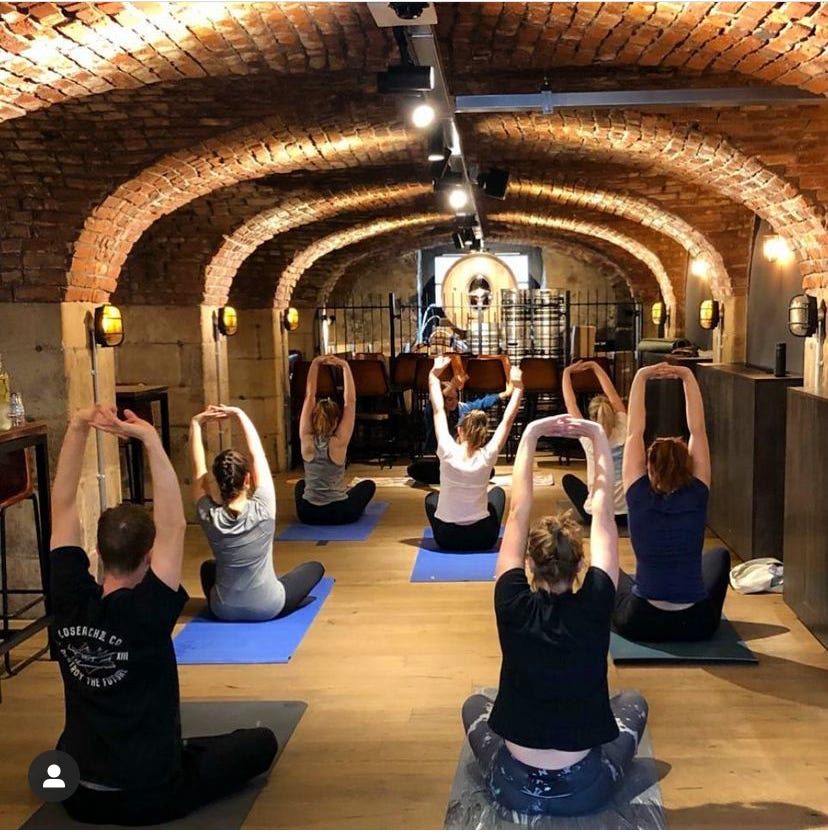
The events kept coming, turning the workspace into somewhere I wanted to return to, and of course, I signed up as a member. A welcoming experience all around.
These are also what create the stories people tell afterwards: the spontaneous events, the unexpected connections, and the moments where you feel genuinely included.
The “welcome phase”
Something I’ve come to realise from my own coworking experiences is that whether a space feels welcoming isn’t decided over months; it’s in the first few days.
There’s actually a term for this: the “welcome phase,” coined by Sarah Travers, CEO at Workbar. If you can retain a member beyond their first 90 days, their likelihood of staying long-term increases significantly.

Those first 90 days are when people feel the most uncertain, because they’re still figuring out how to use the space, how to interact with others, and whether they really belong there.
Looking back, that perfectly reflects my own experience.
When I first moved to London, I joined a coworking space after attending an event there. I loved the design, the atmosphere, even the small details like the scent in the space. But once I actually started working there, things felt very different.
No one really spoke to each other. There was no guidance on how to integrate. Even at a members’ brunch, people ended up taking their food back to their desks and eating alone.
I didn’t last 90 days.
It was around that time that I tried the Islington coworking space nearby, and the experience couldn’t have been more different. The difference wasn’t the design, but the welcome.
This is where everything we’ve talked about comes together:
A low-pressure way in, like a day pass, gets someone through the door.
A community manager humanises that first interaction.
Small hospitality touches make someone feel seen.
But there’s another layer to it: how the space itself supports that experience.
Hidden barriers in coworking
One of the ideas I love from Unreasonable Hospitality is the concept of removing barriers, both physical and emotional, between people in hospitality spaces.
In Guidara’s restaurants, this showed up as the podium problem: the physical stand at the entrance where hosts check bookings. It’s functional, but it creates distance – a literal barrier between you and the person who’s supposed to welcome you.
When the podium was removed, the experience immediately felt more human.
In coworking, the reception desk is coworking’s own version of the podium. It can often feel quite stiff and formal.
But when a community manager sits amongst members, it makes the entire experience more welcoming. Our community manager did this in the Islington workspace, and it felt like she was working amongst us — there was no barrier.
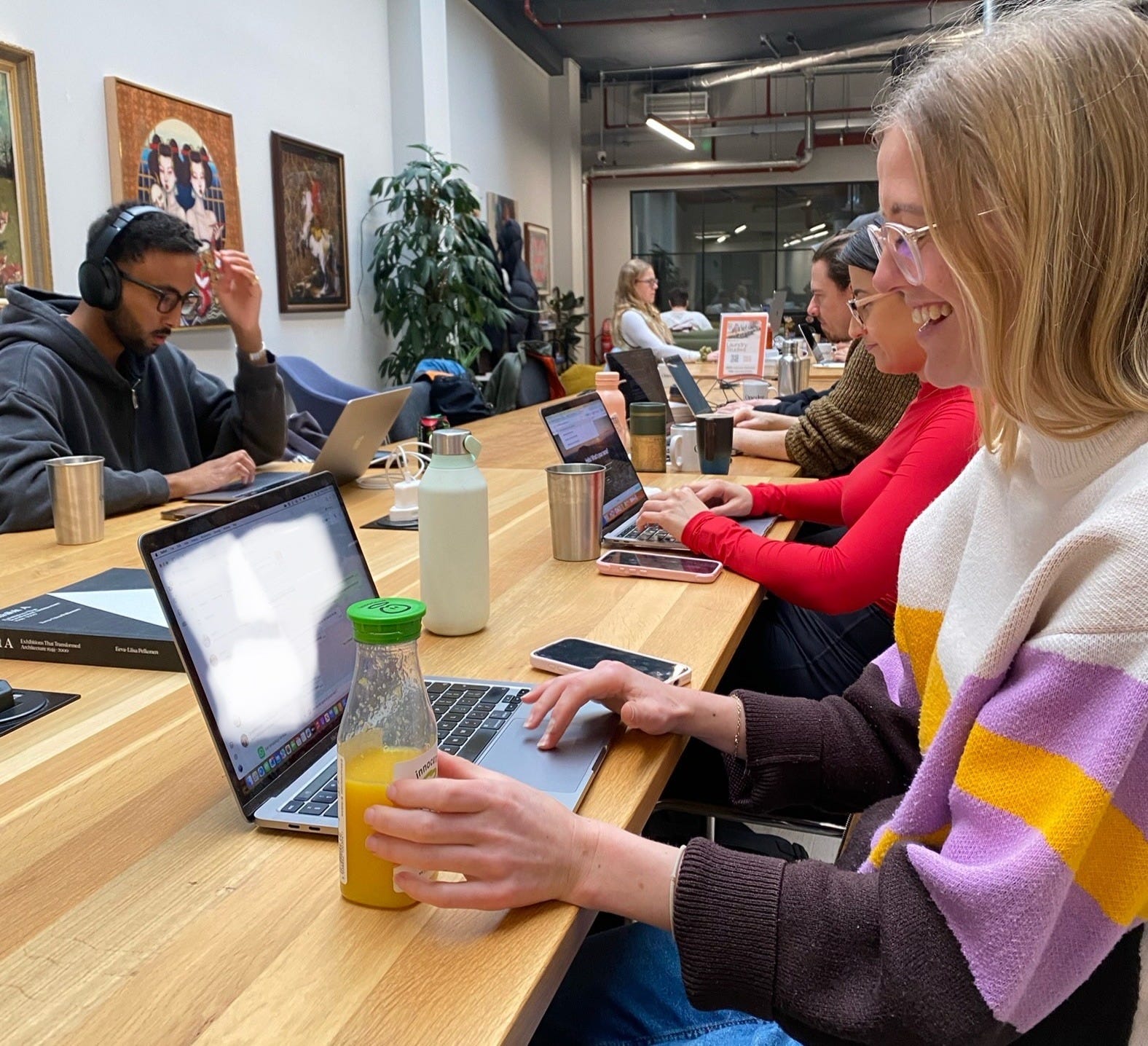
I also really like the workspace design at Work.Life. In all the spaces I’ve visited, the front desk is entirely absent; instead, community managers mill around the workspaces, sometimes coworking amongst members, other times perched at the kitchen counter. They’ll always be on hand to answer any questions and never hidden behind a large computer screen.
A welcoming coworking space removes friction before you even notice it. It’s those small shifts in positioning — where people sit, how they move, and how visible they are — that determine whether a space feels open or closed.
Where welcome really begins
The design of a coworking space, the coffee, and not even the community events on their own can make a space welcoming. Instead, a welcoming workspace is defined by all of these elements working together, especially in those first moments of arrival.
In fact, the “welcome phase” starts long before someone joins as a member, from the very first interaction with a space. When that’s done well, people don’t spend their first few days trying to figure the space out; they immediately become part of it.
From the way you’re greeted at the door, to how easily you can understand where you’re meant to be, to whether someone helps you feel like you belong, these are all part of the same system.
So, how do you actually make your coworking space feel welcoming? Get in touch, I’d love to know what you do in your space.
Until next time,
Lucy