


As some of you know, I recently started a brand new role: being a mum.
I’ve been on maternity leave, and although I’ve loved settling into this new chapter of life, I’ve also missed parts of my working life, particularly the conversations, connections and sense of community that come with being part of the coworking industry.
So, when Cat Johnson and Caleb Parker announced they were organising a Coworking Creators meet up ahead of GCUC UK London last week, I had to go along.
But there was a slight catch — I hadn’t got any childcare. After umming and ahhing about whether it would be appropriate to bring a baby along, I messaged Caleb to let him know it wouldn’t be possible to attend. Fortunately, he was extremely accommodating that baby Alfred could join. So we went.
This invitation mattered because I didn’t have to choose between bringing my baby and taking part in a conversation that was important to me. There was room for both.
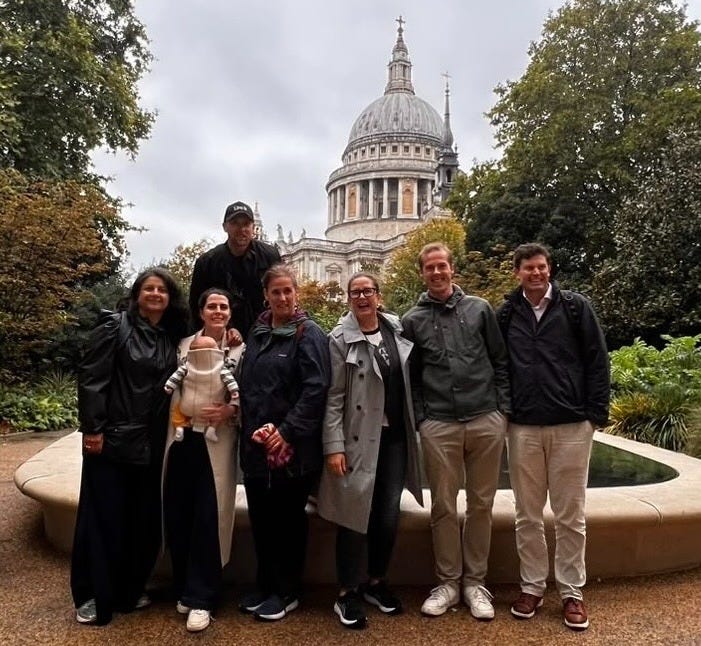
After a wonderful conversation with Cat Johnson, it got me thinking more deeply about belonging in coworking – who gets to experience it, what makes it possible, and how easily it can be affected by a change in circumstances.
It makes me wonder what that tells us about the way we build coworking communities and who we might be unintentionally leaving out.
Let’s look at who gets to belong in coworking spaces.
When your world gets smaller
Becoming a mum hasn’t changed my interest in coworking or my need for connection, but it has changed how I access those things. It’s made me more aware of the practical and social barriers that can stand in the way.
Before I became a mum, popping into the City for an event meant deciding what to wear and checking the train times before heading out the door. I tend to be 10 minutes late to anything in-person, but with a baby to dress, feed and change, my tardiness can quickly spiral.
Now, I have to be much more organised. So ahead of meeting everyone last Wednesday, I headed into town early. Getting on the train itself was a challenge and I ended up relying on a fellow passenger to help me lift the pram onto the train over the huge gap from the platform.
Navigating London with a pram has made me notice things I took for granted, even just a few weeks ago. I can no longer take stairs, and a broken lift becomes a logistical nightmare. Awkward entrances, bustling restaurants, and even my street on bin day are difficult to manoeuvre when you’re carrying everything your baby needs.
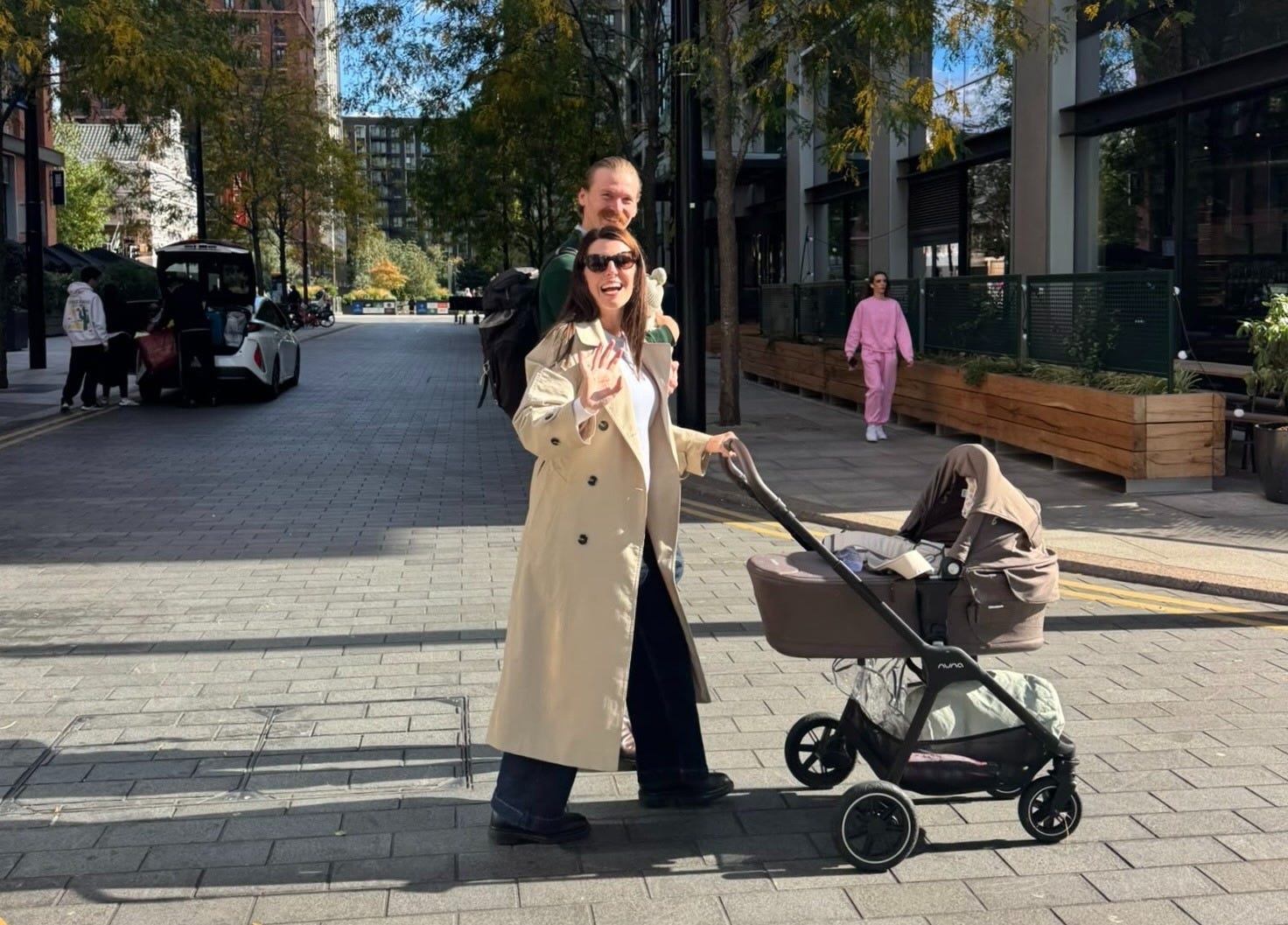
I also wanted to give Alfred a decent feed before the meet up, which was originally planned as a walk (before it got rained off), as this meant I didn’t need to peel off from the group or have an upset baby with me.
I found a quiet café round the corner from our meeting point for a feed, buying a chai latte so I could use their space and baby change (another activity to factor in before meeting everyone). Again, I was met with a helpful person who brought my drink to the table as they recognised my hands were full.
And thankfully, I felt very comfortable breastfeeding in public, even in a café filled with men in suits. No-one batted an eyelid.
These moments might seem insignificant, but they can make a real difference to the person experiencing them. They communicate that you’re welcome, that you haven’t inconvenienced anyone by being there, and that you can take up space.
It’s made me think about how often we design environments around an assumed version of the person using them: someone who can arrive easily, move around independently, concentrate without interruption and participate without having to think too hard about the practicalities.

But that isn’t everyone’s reality. And sometimes, you don’t realise how much an environment asks of you until your circumstances change.
Building your village as a parent
When circumstances change, you’re relying on the kindness of others to look out for you, but you’re equally looking to your network for support.
In terms of childcare support, I’ve heard this being described as your ‘village’. Sometimes that’s made up of the people you’ve known forever, such as family and long-term friends. But becoming a parent also leads you to make connections with people who are in the same situation.
There’s just something reassuring about being around people who don’t need you to explain why you’re running late, why you have to leave early or why a conversation might be interrupted by a baby who suddenly needs feeding. You can turn up as you are.
Lacking childcare support last week made me wake up to why I need to strengthen my village (although I loved being able to bring my baby along to that session!).
It’s also why I think we need more workspaces that take the realities of parenthood into account and help those connections form, including spaces that offer childcare.
One of the first coworking spaces of this kind was Third Door, a family-friendly coworking space with an onsite flexible Ofsted registered nursery that opened in 2010 by award-winning founder, Shazia Mustafa.
Shazia told me how the idea for Third Door came about after she had her first child. She wanted to continue working without compromising on being present for her daughter. Rather than expecting working parents to fit around traditional working arrangements, Shazia created something that worked around their lives.

The idea came from a need that Shazia experienced herself. She understood the tension between wanting to work, be present for her children and needing somewhere to connect with other people in the same position.
Shazia built a village for herself, but for others, too. That’s a great example of how coworking spaces can practice inclusivity, while creating welcome environments where people feel like they belong.
The bigger question around belonging in coworking
For me, coworking isn’t impossible right now, but visiting a workspace would mean pulling myself away from my baby, and I’m not ready to do that just yet. I’m still in the thick of those early months.
But that doesn’t mean I’ve stopped belonging to the coworking world. For one, I’ve already scoped out a local coworking space that offers flexible childcare. There aren’t many around so I’m very fortunate to live so close to one.
Although a workspace isn’t something I need right now, I noticed that the space hosts lots of mum and baby events for the wider community. This gives people a taster of the space and helps them connect with others, so that they might become a future community member. That’s what I’m interested in right now.
Perhaps that’s the bigger question for coworking operators: how do we make room for people whose circumstances, priorities and needs change over time?
Not everyone will need a family-friendly workspace, and not every coworking space needs to provide one. But people do move through different stages of life. They become parents, take on caring responsibilities, experience illness or disability, move to a new neighbourhood or find themselves needing something different from the communities around them.
If we want coworking spaces to be places where people feel they belong, we need to think beyond who our current members are and consider what might help them participate as their lives change.
That might mean adapting the physical space. Or changing how an event works, making an introduction or simply being willing to accommodate someone who doesn’t fit the usual picture of a coworking member.
And sometimes, it’s recognising that belonging doesn’t have to happen inside a coworking space at all. It can begin with a stranger helping you onto a train or an invitation to a work event that welcomes mums and babies.
What connects these experiences is the feeling that there’s room for you, just as you are, in whatever circumstances you’re navigating.
I might not be heading to a coworking space with Alfred just yet. But right now I’m enjoying discovering what community means to me in this new chapter of my life, and thinking about how we can make that feeling of belonging more accessible to others.
Until next time,
Lucy