There’s only one week until Christmas, so if you’re still reading this newsletter and not off to watch The Holiday with a mince pie in hand (which would be very understandable), I appreciate you!
December has a habit of arriving with a long list of expectations, social events to attend, projects to wrap up, and plans to get ahead. But it’s also winter. The days are short, it’s cold outside, and energy doesn’t always run at full capacity this time of year.
This month, I’m reminding myself that sustainable work isn’t about pushing harder but being a little kinder to ourselves when things slow down.
As my last post of this year, it feels like the perfect moment to revisit my first post of 2025: my ins and outs for the year ahead, and reflect on some genuinely positive shifts we’ve seen across the coworking industry in 2025.

Circularity in workspaces
The conversation has moved beyond greenwashing. Circular furniture brands, furniture rental, and fit-outs made with reclaimed materials are becoming standard practice across many workspaces. More landlords are now measuring embodied carbon, not just operational emissions. It’s a huge step forward when we know how much office furniture still ends up in landfills daily. Progress? Yes. Enough? Not yet.
Normalising work-from-anywhere
Loud RTO headlines have led many corporate workers back to the office full-time. The good news? More of those offices are managed by flex operators. With flexibility being the baseline, not a perk, coworking spaces, cafes, and third spaces are all benefitting, and accommodating hybrid workers, freelancers and business owners.
Supporting neighbourhood workspaces
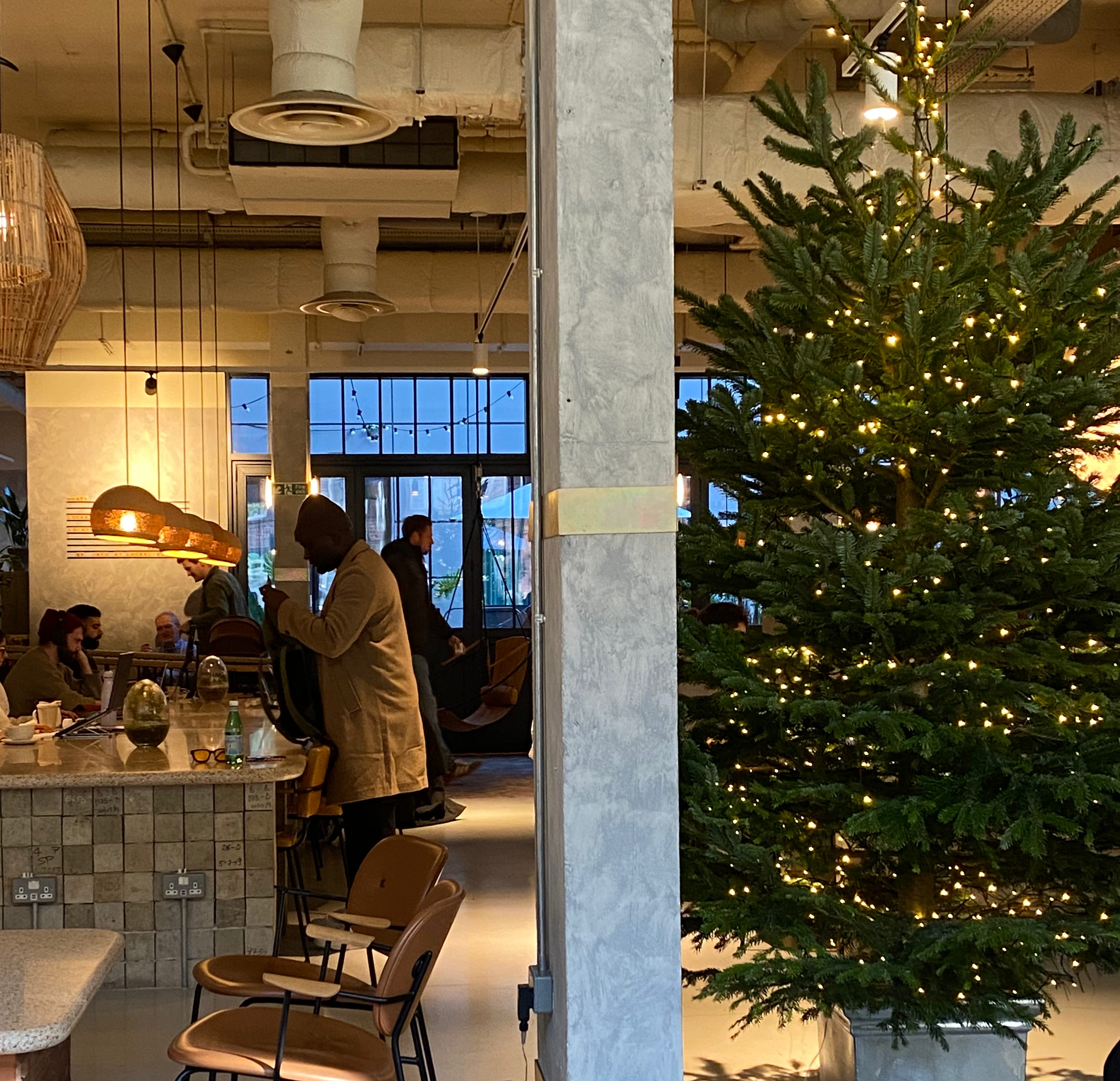
Hyper-local coworking is on the rise. Smaller, community-driven spaces are thriving because people want less commute, more life. Productivity and well-being consistently score higher when people work closer to home. When I spoke to Melissa Richards, founder of Buick Mackane in Newbury, she explained what makes local coworking so special.

Rising demand for regional coworking
Regional coworking had a BIG year. From UK market towns to university cities, satellite offices and flex spaces are helping retain local talent, support SMEs, and reduce pressure on major cities. Events like GCUC Manchester really highlighted that the future of work isn’t just London-centric.
“Community is the key” (always)
Still true. Still essential. Operators investing in programming, hosts, and genuine human connection continue to outperform “desk-only” models.
Belonging to multiple work communities
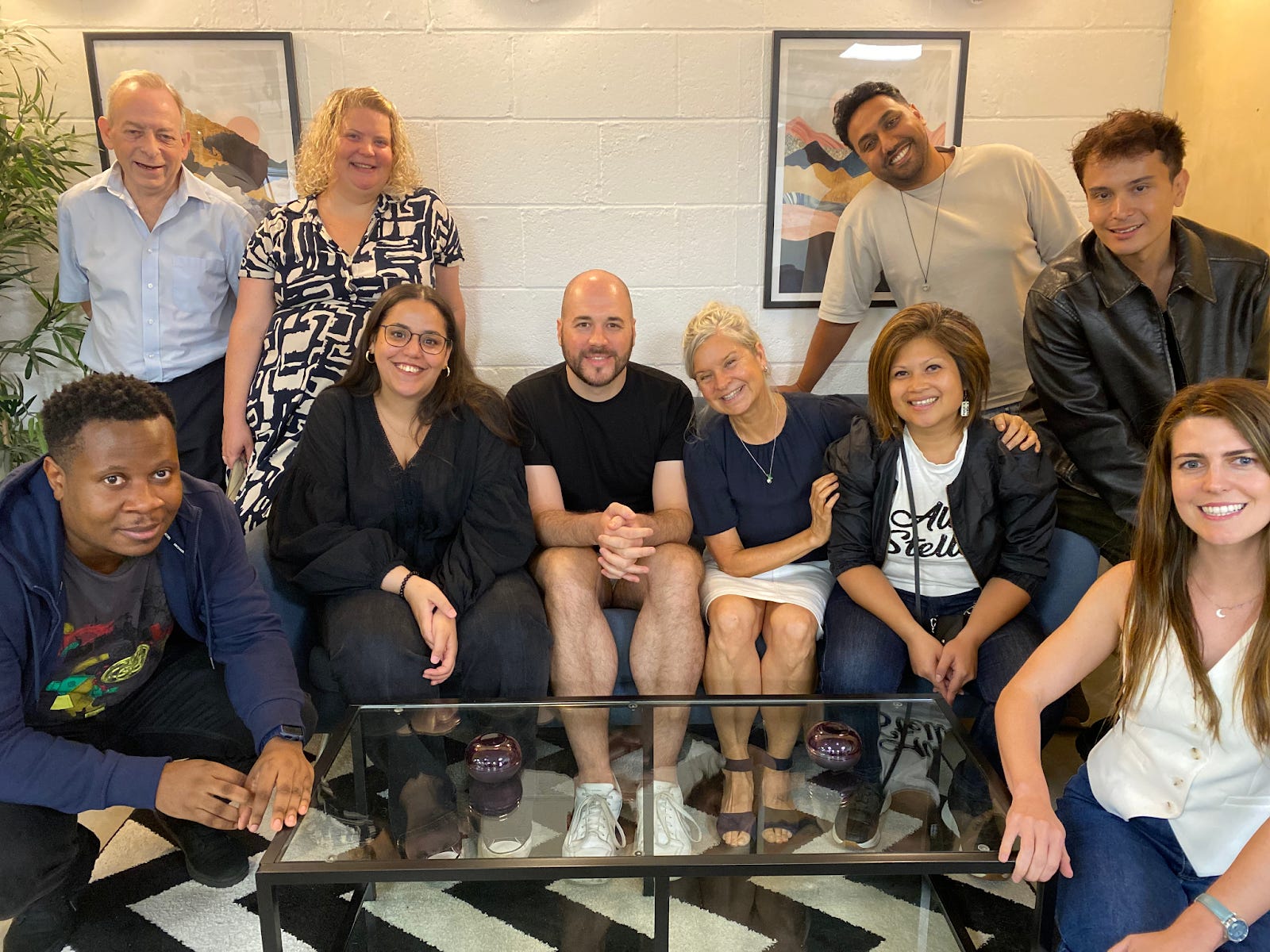
More people are mixing spaces – home, coworking, third places – depending on focus, energy, and social needs. This fluid membership model is becoming normal, and it reflects how dynamic modern working lives really are. This year, I’ve enjoyed trying out different coworking spaces across London, without fully committing to one yet. It’s given me the flexibility to connect with lots of different people and test various coworking spaces.
IDEA in coworking
There’s growing accountability around inclusion, equity, and accessibility. More operators are embedding IDEA principles into design, hiring, pricing, and programming, not just statements on websites. But progress is uneven, and there’s still a lot of work to do. Here, Shazia highlights what the coworking industry can do to be more inclusive.

Neurodiversity awareness
With up to one in four people estimated to be neurodivergent, 2025 saw more open conversations around sensory-friendly design, quiet zones, and flexible layouts. I really enjoyed attending a Clerkenwell Design Week panel on this topic, which opened my eyes to the real challenges and opportunities around workspace design.
Women in coworking
Women-led spaces, networks, and leadership voices are becoming more visible and more influential. Recently, I spoke to Stacey Sheppard about her journey of launching The Tribe – a rural coworking in Devon for women.

Hotelification of the office
Love this term or loathe it – it’s here. Hospitality-led design, softer lighting, lounge-style layouts, and service-driven experiences are shaping expectations of what workspaces should feel like. In 2026, let’s have more ‘unreasonable hospitality’ in service operations, please.

Coworking in 2026
All of these trends point toward a brighter, more exciting coworking industry in 2026. But I can’t write about the positives without acknowledging the challenges operators are facing — and one alarming issue in particular here in the UK: How the VOA is reinterpreting tax law for coworking spaces.
As operators, you provide services like WiFi, cleaning, and access control. But the VOA is treating individual members not as tenants but as extensions of the space itself. Small businesses that would normally qualify for relief are grouped together, and you end up liable for a single, often backdated bill.
This situation highlights a broader tension: coworking is about supporting real humans and communities, but current policies sometimes treat them like numbers on a spreadsheet.
If you’re worried about this or would like some support, Jane Sartin, Karen Tait, and Bernie Mitchell are taking action, with Jane recommending that you reach out to your local MP if affected by this change.
In 2026, I hope our wonderful industry can have a more successful, profitable, and sustainable year. Next year, my ambition is to continue spotlighting the incredible work you do for your inclusive communities and local ecosystems.
To my cherished readers, thank you for being part of this community, for reading and supporting my work. Every read, like, and message means the world to me, and I’m so privileged that I can write content about an industry I love so much.
Please don’t hesitate to reach out next year, and I hope to see you at an upcoming event online or IRL soon.
Have a peaceful Christmas and wish you all the best for 2026.
Until next year,
Lucy