


I recently came across a LinkedIn post where a developer was proudly announcing plans to turn an empty high street pub in a regional UK town into a coworking space.
Initially, I thought this was great news. Repurposing an empty high street building into somewhere people can work, connect and spend time is something I’d love to see more of.
But when I read the post more closely, I noticed the space was being positioned as a ‘luxury coworking space for entrepreneurs and founders.’
It got me thinking about who we’re building coworking spaces for and whether we can create more meaningful reasons for people to engage with our spaces beyond renting a desk.
Let’s look at this in more detail.
Who are we actually building coworking spaces for?
Thinking back to that LinkedIn post and who that new workspace was intended for, I couldn’t really comment on the specific needs of that town’s local community. But it did make me wonder that surely a high street workspace could serve a much broader mix of people.
Like graduates exploring job opportunities, local parents looking for somewhere to work close to home, freelancers, small business owners and older people learning new skills. A place that also welcomes entrepreneurs and founders, too, but isn’t exclusively designed for them.
This reminds me of something I explored in my conversation with Sarah Greene and Phil Fisk, the co-founders of Buro coworking space in Brockley. When we discussed what neighbourhood coworking looks like, Phil described their typical local coworker as:
“They’ve got to drop off and pick up, so they need a place where they can work intensely for about 6.5 hours before running out the door to get to school in 5 minutes (without hopping on a hot bus). They might come back to the space after putting the kids to bed, or come in on Saturdays.
“Local coworking isn’t about table tennis or those ‘fun’ things”

In fact, these ‘gimmicks’ in coworking spaces, such as beer on tap and table tennis, make me think about coworking brands that were created with entrepreneurs and founders in mind.
When operators default to thinking that their space could work for that same audience, they can end up excluding people who are better suited to that space, especially when it’s a high street space.
By labelling a space for entrepreneurs and founders, you’re potentially limiting who feels welcome and it immediately sets certain expectations about who belongs there, and who might feel that a space isn’t for them.
What local coworking does well is provide a place that gives people what they actually need from a workspace. Sometimes that’s being able to work beyond the traditional 9-to-5 or just having somewhere nearby that makes balancing work and family life a little easier.
What I’m trying to say is that a local community doesn’t need a space exclusively for entrepreneurs and founders. In fact, transplanting that model onto a high street risks creating a space that feels disconnected from the people and businesses around it.
So what do local communities need?
This is where I think we’re missing an opportunity. A coworking space on a high street could offer something quite different from the traditional premium workspace model.
It could become a place that reflects the people, businesses and communities around it, rather than simply importing an existing concept into a new location.
After all, if we’re going to bring coworking into our neighbourhoods, shouldn’t we be thinking about the people who actually live and work there?
One great example is Blue Garage in Lewisham – a maker space offering everything from industrial workshops and sewing rooms to fabrication equipment and private offices. The space responds to the needs of its local creative community. Founder Michael Korn, put it like this:
“I wanted to create something independent and to help startups by providing equipment and space at the lowest possible cost. We needed something large, but also accessible, and on the high street.”

When I visited Blue Garage for an event earlier this year, one of the members, a music producer, spoke about how he’d built relationships within the local creative community and become involved in turning a meeting room into a music studio.
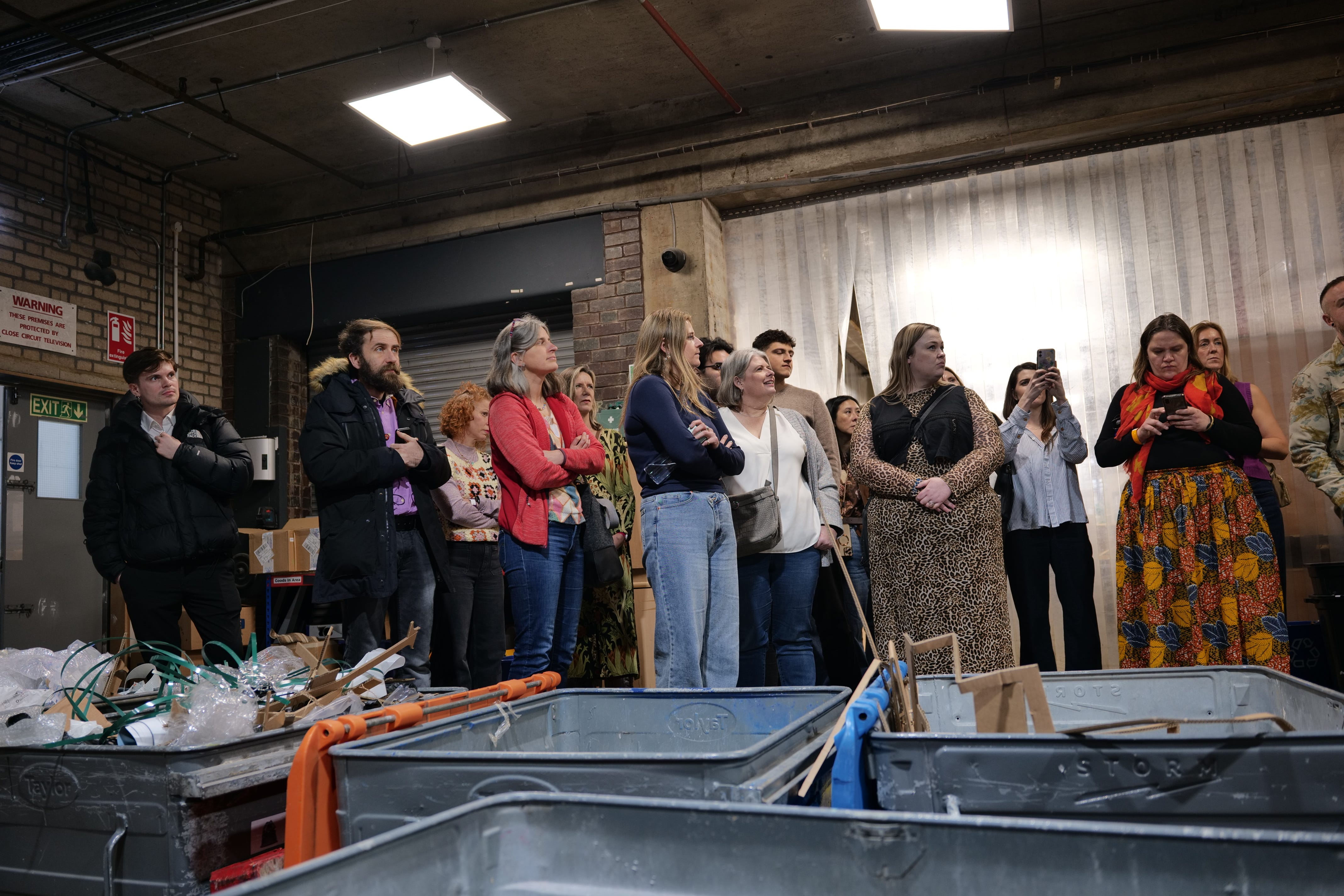
Blue Garage is a good example of coworking extending beyond the traditional desk. A space that provides access to resources, skills, networks and opportunities that people might otherwise struggle to find locally.
Coworking beyond the entrepreneur
There’s another reason why I think we need to rethink who we’re building coworking spaces for. The world is changing — people are getting laid off as AI and economic pressures are impacting businesses and funding opportunities.
Lots of people who have either just lost their jobs, been experimenting with AI, and young people fresh out of school and university are turning to entrepreneurship, but aren’t labelling themselves as entrepreneurs or founders.
Coworking spaces support these people really well, as many workspaces facilitate skills and learning workshops, and connect like-minded members with each another, helping people who are carving out a new path for themselves or people who are learning new skills.
For instance, UrbanMBA is an EdTech and community hub that creates opportunities for people with business ideas and those in the local community. The space operates as a community hub teaching people valuable skills, which helps builds their confidence and gives them access to networks that might otherwise be out of reach.
One of the courses teaches AI to over 50s so they can write letters to the council. As tools like AI become more ingrained in our everyday lives, these kinds of courses are lifelines for people who otherwise might not have access to learning opportunities.

Likewise, back when I was a coworking member at a workspace in Islington, I ran monthly freelancer meet up events with the community manager to initiate new connections between local freelancers, share challenges with one another, and introduce people to the coworking space.
It was a big hit. Those who were already freelancing were meeting up with like-minded people and sharing similar challenges. Meanwhile, the people who were curious about freelancing enjoyed the knowledge exchange shared during these sessions.
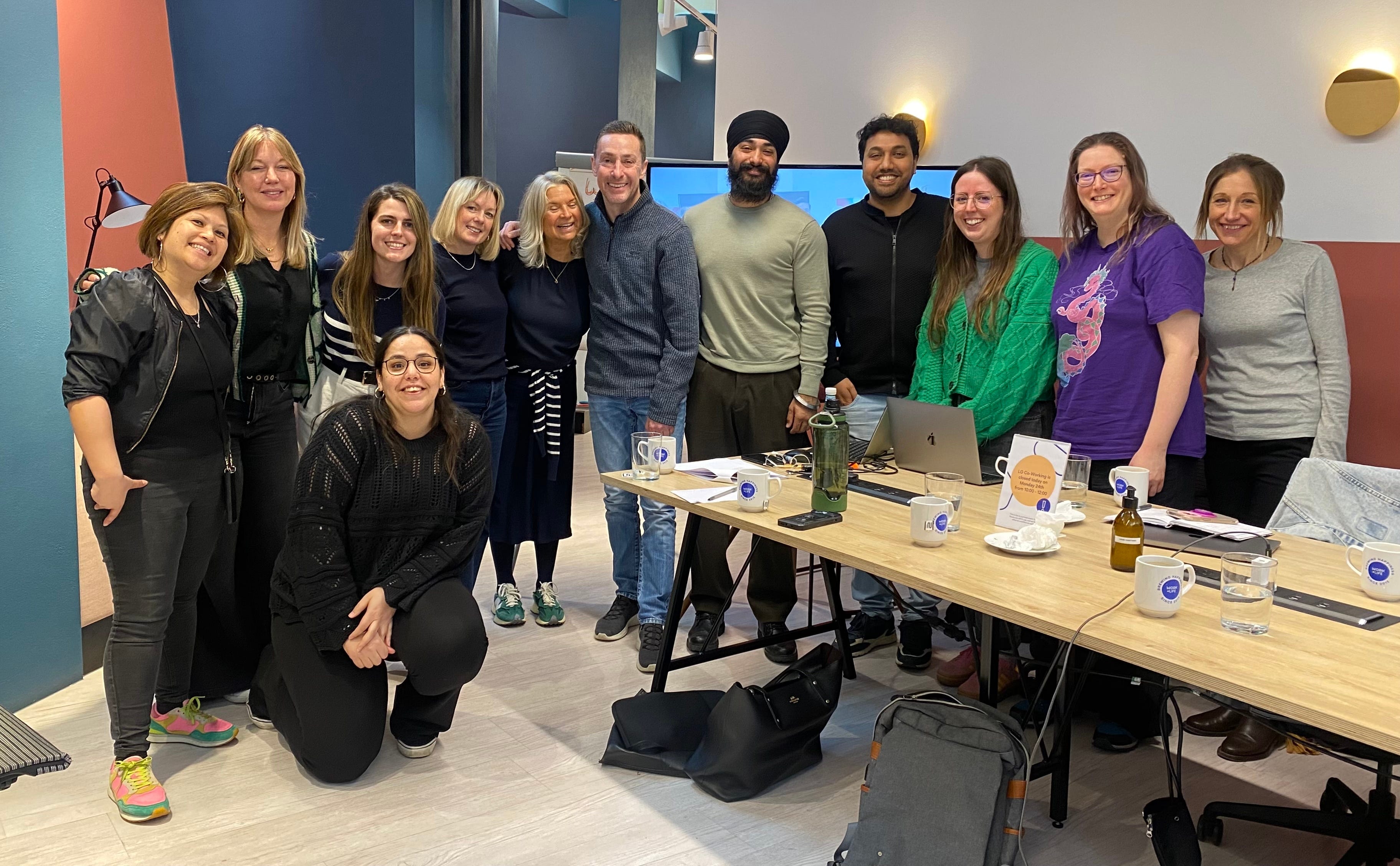
These examples might seem like small things, but they can make a real difference to someone finding their feet in a new industry, learning a skill or figuring out how to make a living outside traditional employment.
A more meaningful role for coworking
That’s an important part of the opportunity here. Coworking shouldn’t only be designed for people who have already made it as entrepreneurs.
Coworking spaces can help more people get to that point, while also serving those whose needs don’t neatly fit into the usual picture of a coworking member.
Improving access to opportunities and new skills, for instance, or even becoming a meeting place for people with shared life experiences, whatever they are, are fantastic ways coworking spaces can serve their local communities.
That’s what coworking spaces do beyond providing a desk and a place to work. They can unlock opportunities and become communal hubs for exchange, connection, and support.
The important thing is to find out what those needs might be and who can facilitate those opportunities.
What kind of support do you offer your community beyond providing a desk and what opportunities are you looking to offer in the future? I’d love to know.
Until next time,
Lucy