


It’s estimated that up to one in four people is neurodivergent.
Yet when coworking operators talk about creating inclusive workspaces, the conversation usually centres on community, hospitality or sustainability. Neurodiversity is rarely mentioned.
For me, this came to light during a recent People Make Coworking interview. A coworking operator mentioned giving a free desk to a neurodivergent member as a part of their social values but then questioned whether this was even relevant to our conversation.
It absolutely was.
With up to 25% of the global population being neurodivergent, designing for neurodiversity influences how a significant proportion of your members experience your workspace, and whether they choose to come back.
Let’s look at how you can improve the experience of your coworking space, and accommodate more inclusive needs.
Quiet space isn’t a luxury
One of the biggest misconceptions about workspace design in coworking and flexible workspaces is that everyone wants to work in the same kind of environment: a loud, bustling, open-plan space.
But we’re all different. Some people thrive surrounded by conversation and energy while others require long periods of uninterrupted focus. The best coworking spaces recognise that both ways of working deserve equal space.
A few months ago, I spent a coworking day at Good Space in Islington where the workspace is organised across different floors, with dedicated zones for different types of work.
Alongside the open-plan areas was a focus room where calls and conversations were discouraged. It’s a simple design decision but it made the space feel immediately more accessible.
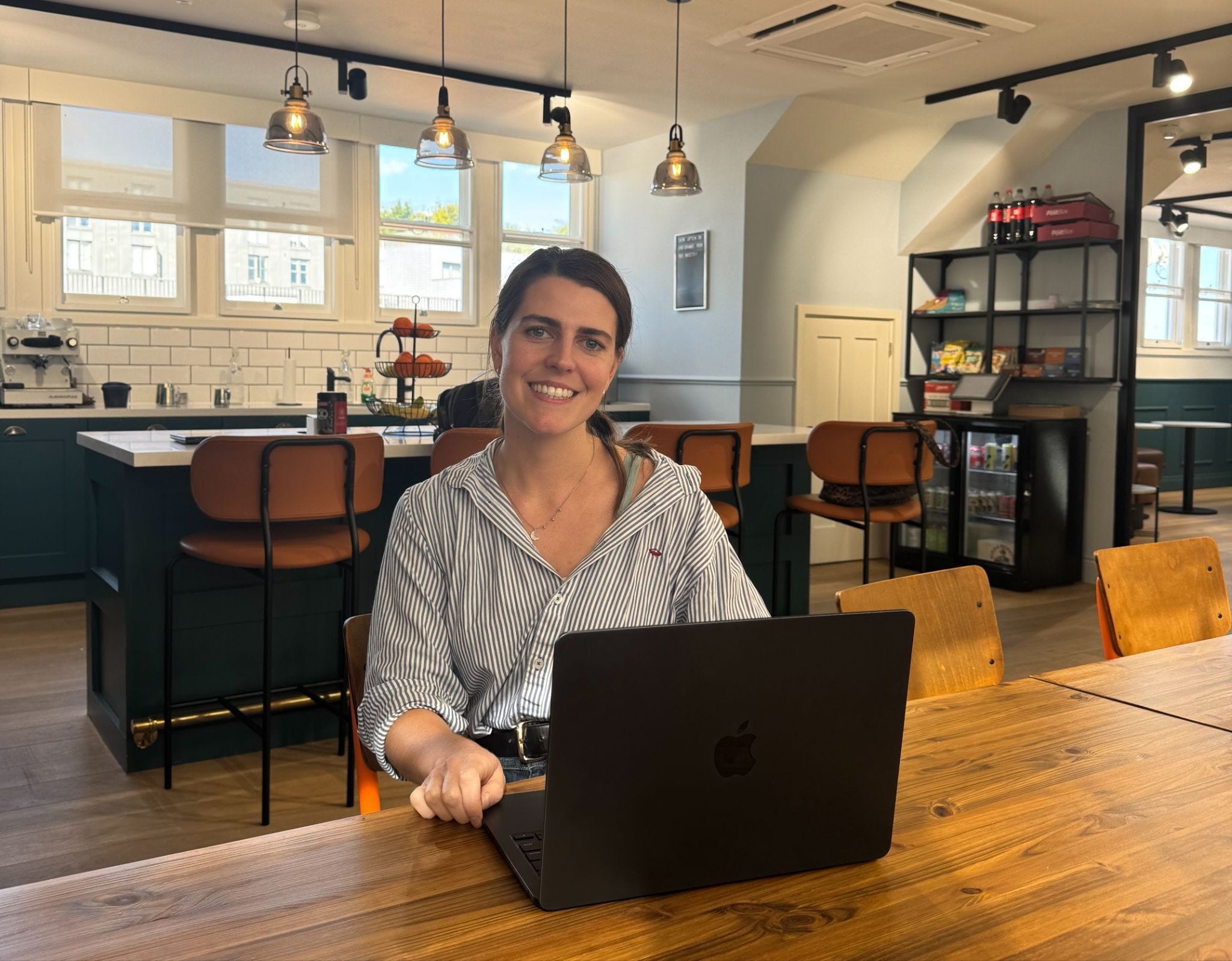
Ironically, I discovered how much I needed something like a focus room after becoming a member at another coworking space in Islington. Although I loved the people there and very much experienced a sense of belonging as part of the community, the space itself was often distracting for me, especially as I grew closer to the community.
All the workstations were in one room where, if you stepped into the workspace, it was immediately noticeable. There wasn’t a single quiet room or phone booth to retreat to for deep focus, which often meant that I’d be chatting to people regularly and for long periods rather than working.
I found myself constantly choosing between two needs: deep focus or not feeling lonely; working from home on days where I had a looming deadline rather than coming into a professional workspace.
I’d rather work in a social coworking space than from home, but couldn’t face the interruptions.
In part, I recognise my own limitations here. But I’ve spoken to other coworkers who also struggle to focus in certain workspaces, exposing the wider link between workspace design and how we behave in a space.
More importantly, the real risk for operators is when your workspace stops members from doing their best work, and they end up leaving.

Your lighting could be costing you memberships
It’s not just the workspace layout that can impact someone’s coworking experience. Design elements, such as lighting, also influence whether someone thrives or not in a space.
For neurodivergent people, the stakes can be even higher as light sensitivity is associated with neurodiverse conditions, making a workspace with certain lighting decisions genuinely difficult to use.
LED lighting, for instance, produces a subtle flickering which although isn’t noticeable to the naked eye, can cause headaches and even trigger migraines. That’s why harsh white lighting might seem particularly uncomfortable.

I’ve experienced this firsthand. Last year I hosted a series of freelancer breakfasts in a coworking space with harsh, white LED lighting. Several attendees commented on how uncomfortable the space felt, and by the end of the morning I’d developed a migraine myself.
It became such a significant issue that we decided not to host the events there again.
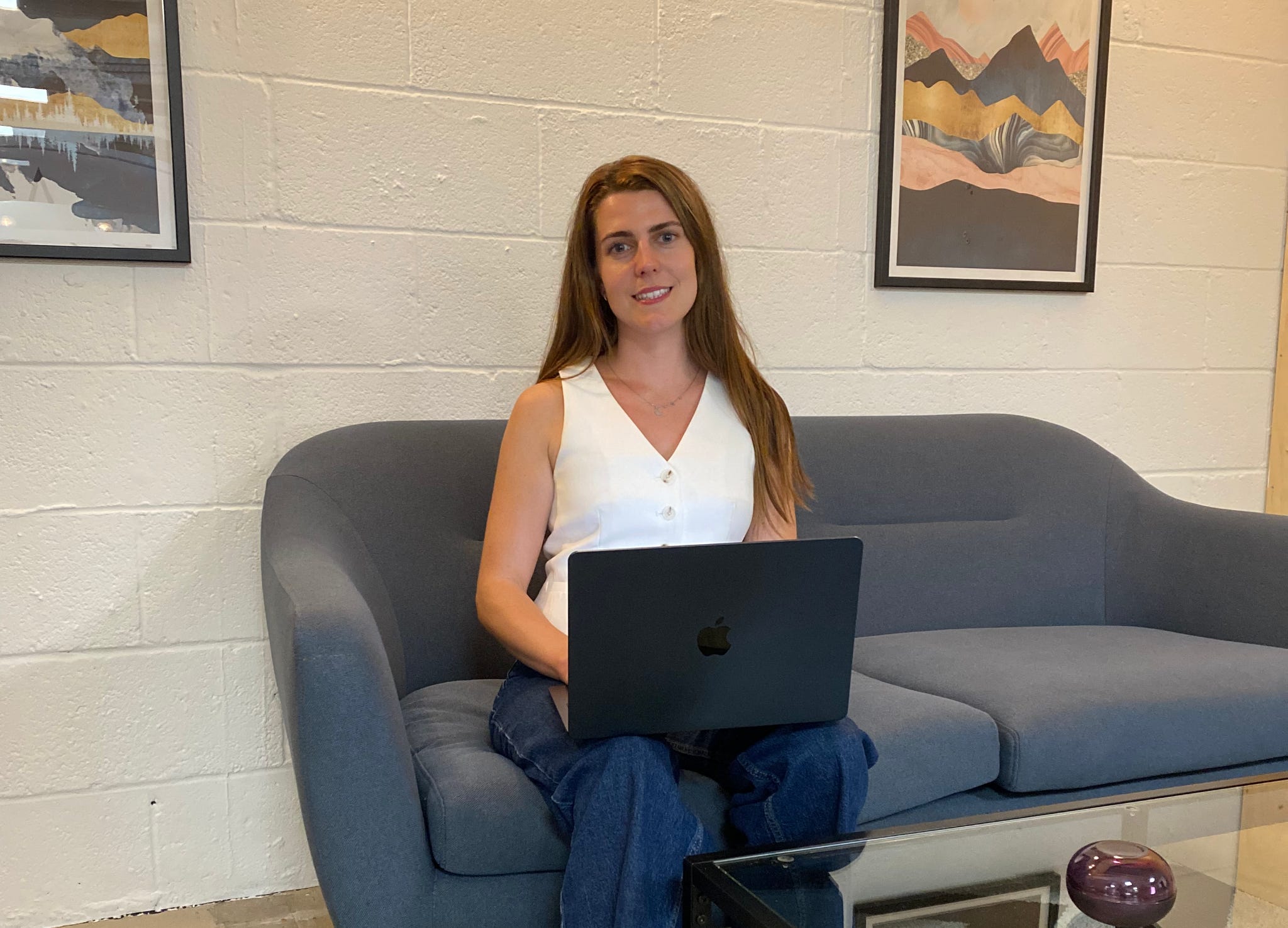
In Dr Louise Suckley’s recent research into what makes a ‘good vibe’ in coworking spaces, coworking users rated lighting as the most important factor. Members consistently preferred workstations beside windows over spaces relying on artificial light, associating daylight with openness, wellbeing and comfort.

Designing for different ways of working
So what does inclusive workspace design look like in practice?
Laundry Studios in London Fields is a good example of how different design choices can work together to accommodate more inclusive ways of working.
There, an open-plan hot desk area sits beneath a huge light well that brings plenty of natural light into the room. You’re immediately drawn towards this workstation where you can sit alongside other members, naturally creating opportunities for conversation.
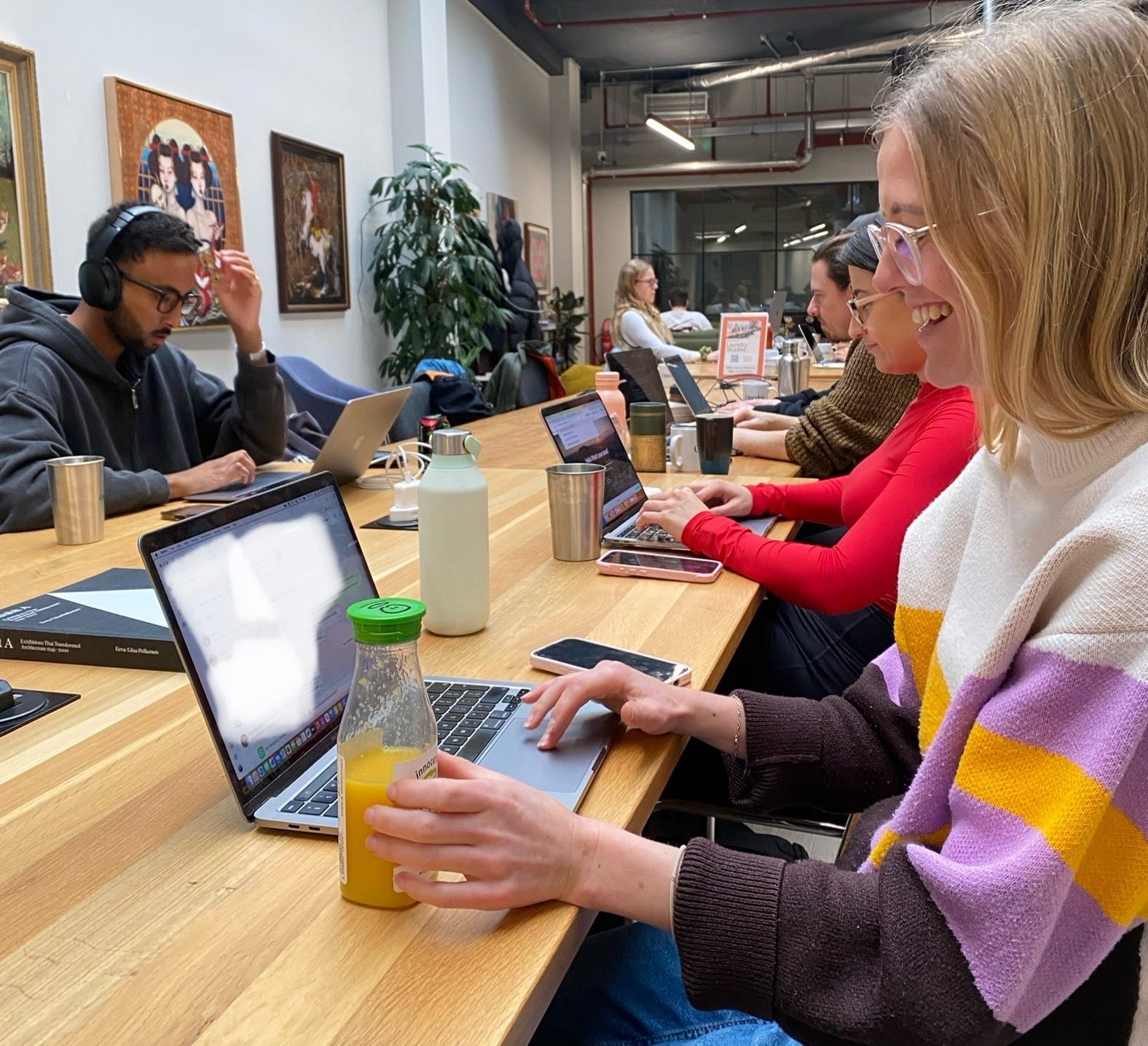
But there are other options if you need to concentrate, such as a monitor room that offers a quieter place to work, several phone booths for private calls, and a basement space that, when it isn’t being used for events, becomes another place to work away from the main space.
The material choices also make a difference. Laundry Studios uses lots of natural materials and neutral tones: wooden floors and workstations, softer textured seating areas, and white walls filled with evocative artwork.
These are all elements of what’s known as sensory design — creating an environment that feels calmer and more comfortable through the use of light, materials, texture and sound.
What I like about the coworking space is that none of these choices feel like they’ve been added specifically to make it a neurodivergent-friendly coworking space. Instead, they give members more choice over how they experience the workspace.
They can sit at the centre of the action, work alongside others at the shared table, or retreat somewhere quieter when they need to focus.
Inclusive design benefits everyone
One thing I find interesting about neurodiversity is that the solutions rarely benefit only neurodivergent people.
A quiet focus room can help the freelancer working on a deadline or the parent returning to work after maternity leave. Natural light improves wellbeing across the board. Different seating options acknowledge that people don’t all work in the same way, or even in the same way every day.
Perhaps that’s the real lesson for coworking operators.
We often think inclusive design means adding specialist features for a small group of members. In reality, it’s about creating enough choice that more people can thrive in your workspace.
The most welcoming coworking spaces aren’t the ones with the trendiest interiors but they do recognise that there’s no such thing as a typical member.
This is what we must consider when we make our coworking spaces more inclusive; that we’re not designing for one way of working, but making space for many.
Until next time,
Lucy